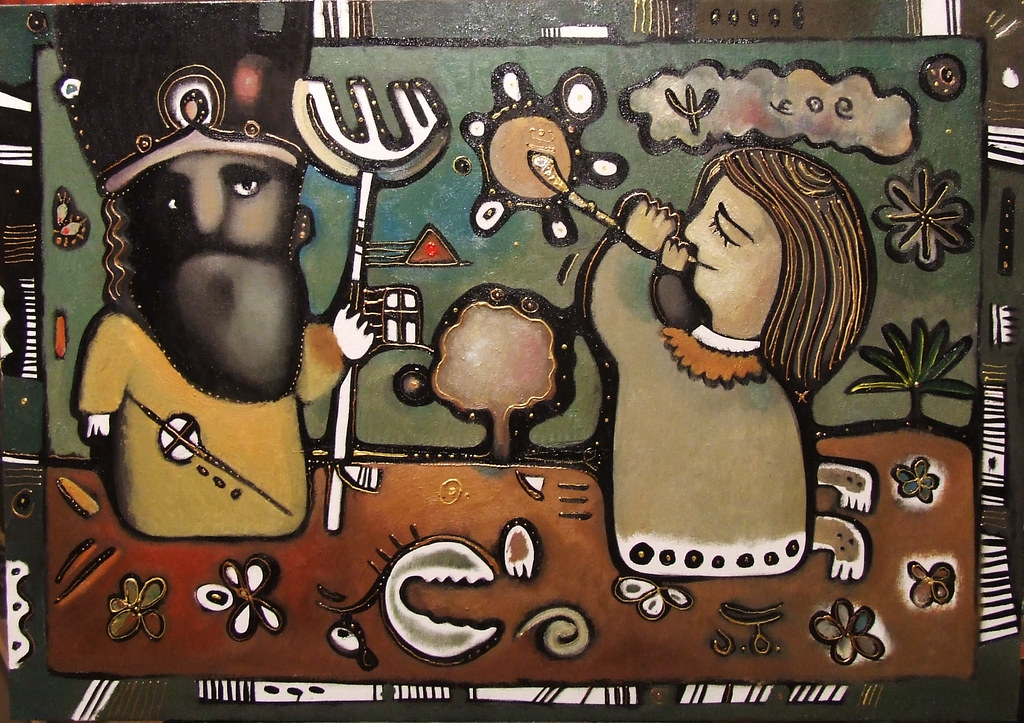
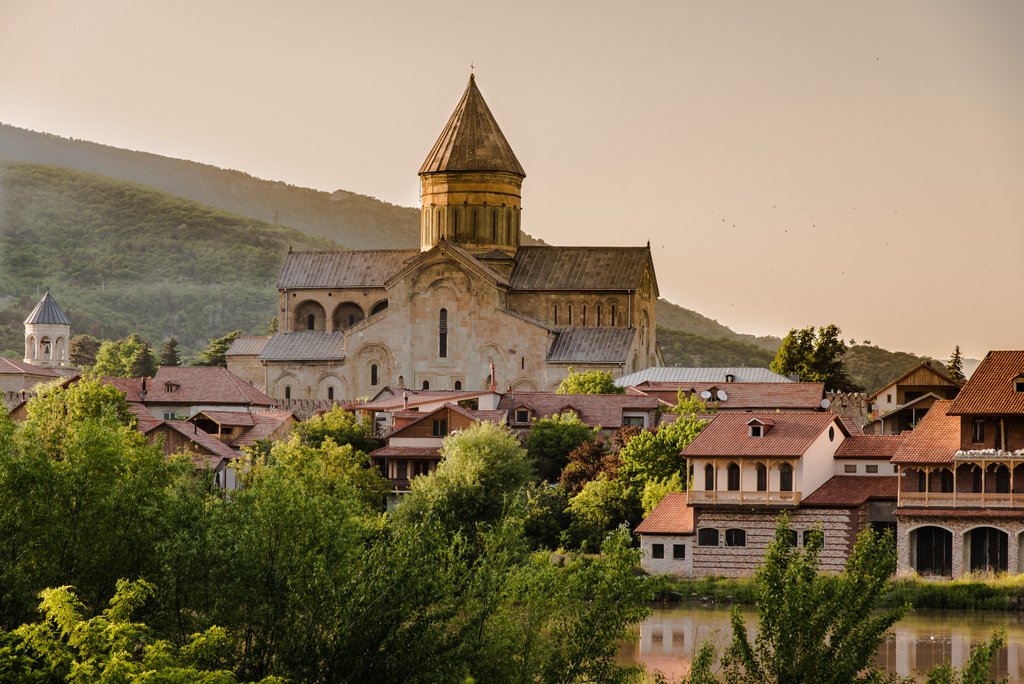
Tuesday, January 19, 2010

INTERNET: Publications on the countries of the Caucasus and Central Asia (kices.org)

Please find attached the new issue of Publications on the countries of the Caucasus and Central Asia.

For an archive of back issues please visit
www.kices.org/publication_0E.php

KICES – Koszalin Institute of Comparative European Studies
Research Centre for East European Studies / Forschungsstelle Osteuropa Bremen
Publications on the Caucasus and Central Asia – A quarterly bibliography
(POCAU+CA) 4 – 2009
An overview of recent English- and German-language academic publications
on the Caucasus and Central Asia

POLITICS
Arutiunov, Sergey: Cultural Archetypes and Political Change in the Caucasus,
Nova Science, October 2009, ISBN-13: 978-1607417392, Hardcover.
Coene, Frederik: The Caucasus: An Introduction,
Routledge, November 2009, ISBN-13: 978-0415486606, Hardcover, pp. 240.
Cummings, Sally N. (ed.): Domestic and International Perspectives on Kyrgyzstans Tulip
Revolution: Motives, mobilization and meanings,
Routledge; December 2009, ISBN-13: 978-0415491907, Hardcover, pp. 166.
Das Ende des postsozialistischen Raums? (Ent-) Regionalisierung in Osteuropa, Beiträge für
die 17. Tagung junger Osteuropa-Experten, veranstaltet von der Deutschen Gesellschaft für
Osteuropakunde, der Forschungsstelle Osteuropa und der Europäischen Akademie Berlin,
Arbeitspapiere der Forschungsstelle Osteuropa No. 104, September 2009, pp. 158,
http://www.forschungsstelle.uni-bremen.de/images/stories/pdf/JOE-Tagungen/fsoAP104.pdf
Dave, Bhavna (ed.): Politics of Modern Central Asia,
Routledge, October 2009, ISBN-13: 978-0415468268, Hardcover, pp. 1776.
Domjan, Paul / Stone, Matt: A Comparative Study of Resource Nationalism in Russia and
Kazakhstan 2004–2008,
in: Europe-Asia Studies, Vol. 62 (January 2010), No. 1, pp. 35–62.
Emerson, Michael / Youngs, Richard (eds): Democracy's Plight in the European
Neighbourhood: Struggling Transitions and Proliferating Dynasties,
Centre for European Policy Studies, Brussels, 2009, ISBN 978-92-9079-926-9, pp. 171,
http://www.ceps.eu/ceps/download/2315
Ergun, Ayça: The presidential election in Azerbaijan, October 2008,
in: Electoral Studies, Vol. 28 (December 2009), No. 4, pp. 647–651.
Gendron, Renée: Alternative Dispute Resolution in the North Caucasus,
in: Caucasian Review of International Affairs, Vol. 3 (4) (Autumn 2009), pp. 333–341.
George, Julie A.: The Politics of Ethnic Separatism in Russia and Georgia,
Palgrave Macmillan, December 2009, ISBN-13: 978-0230613591, Hardcover, pp. 260.
Gilligan, Emma: Terror in Chechnya: Russia and the Tragedy of Civilians in War,
Princeton University Press, November 2009, ISBN-13: 978-0691130798, Hardcover, pp. 288.
Gullette, David: The Genealogical Construction of the Kyrgyz Republic: Kinship, State and
Tribalism,
Global Oriental, October 2009, ISBN-13: 978-1906876104, Hardcover, pp. 272.
Hann, Chris / Pelkmans, Mathijs: Realigning Religion and Power in Central Asia: Islam,
Nation-State and (Post)Socialism,
in: Europe-Asia Studies, Vol. 61 (November 2009), No. 9, pp. 1517–1541.
Ishiyama, John: Historical legacies and the size of the red-brown vote in post-communist
politics,
in: Communist and Post-Communist Studies, Vol. 42 (December 2009), No. 4, pp. 485–504.
Kabulov, Egamberdy: On the Results of the Presidential Election in Kyrgyzstan,
in: Central Asia and the Caucasus, Vol. 58–59 (2009), No. 4–5.
Karmazina, Lydia: Opposition in Kazakhstan: Nagging Problems,
in: Central Asia and the Caucasus, Vol. 58–59 (2009), No. 4–5.
Ostrowski, Wojciech: Politics and Oil in Kazakhstan,
Routledge, October 2009, ISBN-13: 978-0415485807, Hardcover, pp. 212.
Rundle, Christopher: Central Asia,
in: Asian Affairs, Vol. 40 (2009), No. 3, pp. 453–457.
Sabanadze, Natalie: Globalization and Nationalism: The Cases of Georgia and the Basque
Country,
Central European University Press, December 2009, ISBN-13: 978-9639776531, Hardcover,
pp. 218.
Sattarov, Rufat: Islam, State, and Society in Independent Azerbaijan: Between Historical
Legacy and Post-Soviet Reality - with special reference to Baku and its environs,
Reichert Verlag, 2009, ISBN 978-3-89500-692-0, Hardcover, pp. 394.
Shafer, Richard / Freedman, Eric: Press Constraints as Obstacles to Establishing Civil
Societies in Central Asia,
in: Journalism Studies, Vol. 10 (December 2009), No. 6, pp. 851–869.
FOREIGN AND SECURITY POLICY
Abushov, Kavus: Policing the near abroad: Russian foreign policy in the South Caucasus,
in: Australian Journal of International Affairs, Vol. 63 (2009), No. 2, pp. 187–212.
Alturki, Fahad / Espinosa-Bowen, Jaime / Ilahi, Nadeem: How Russia Affects the
Neighborhood: Trade, Financial, and Remittance Channels,
IWF Working Paper 09/277, December 2009,
http://www.imf.org/external/pubs/ft/wp/2009/wp09277.pdf
Averre, Derek: Competing Rationalities: Russia, the EU and the ‘Shared Neighbourhood’,
in: Europe-Asia Studies, Vol. 61 (December 2009), No. 10, pp. 1689–1713.
Bilgin, Mert: Geopolitics of European natural gas demand: Supplies from Russia, Caspian
and the Middle East,
in: Energy Policy, Vol. 37 (November 2009), No. 11, pp. 4482–4492.
Bishku, Michael B.: The South Caucasus Republics and Israel,
in: Middle Eastern Studies, Vol. 45 (2009), No. 2, pp. 295–314.
Boonstra, Jos: The EU Strategy for Central Asia says ‘security’: Does this include Security
Sector Reform?,
EUCAM Policy Brief No. 10, November 2009,
http://www.eucentralasia.eu/fileadmin/user_upload/PDF/Policy_Briefs/PB10.pdf
Coene, Frederik: The Caucasus: An Introduction,
Routledge, November 2009, ISBN-13: 978-0415486606, Hardcover, pp. 240.
Cruz-Del Rosario, Teresita: Risky riparianism: Cooperative water governance in Central
Asia,
in: Australian Journal of International Affairs, Vol. 63 (2009), No. 3, pp. 404–415.
Das Ende des postsozialistischen Raums? (Ent-) Regionalisierung in Osteuropa, Beiträge für
die 17. Tagung junger Osteuropa-Experten, veranstaltet von der Deutschen Gesellschaft für
Osteuropakunde, der Forschungsstelle Osteuropa und der Europäischen Akademie Berlin,
Arbeitspapiere der Forschungsstelle Osteuropa No. 104, September 2009, pp. 158,
http://www.forschungsstelle.uni-bremen.de/images/stories/pdf/JOE-Tagungen/fsoAP104.pdf
Domjan, Paul / Stone, Matt: A Comparative Study of Resource Nationalism in Russia and
Kazakhstan 2004–2008,
in: Europe-Asia Studies, Vol. 62 (January 2010), No. 1, pp. 35–62.
Falkowski, Maciej: Turkey’s game for the Caucasus,
OSW Commentary No. 29, October 2009, Center for Eastern Studies,
http://www.osw.waw.pl/files/commentary_29.pdf
Filippov, Mikhail: Diversionary Role of the Georgia–Russia Conflict: International Constraints
and Domestic Appeal,
in: Europe-Asia Studies, Vol. 61 (December 2009), No. 10, pp. 1825–1847.
Gänzle, Stefan: EU Governance and the European Neighbourhood Policy: A Framework for
Analysis,
in: Europe-Asia Studies, Vol. 61 (December 2009), No. 10, pp. 1715–1734.
Gavrilis, George: Beyond the Border Management Programme for Central Asia (BOMCA),
EUCAM Policy Brief No. 11, November 2009,
http://www.eucentralasia.eu/fileadmin/user_upload/PDF/Policy_Briefs/PB11.pdf
Gerber, Theodore P. / Mendelson, Sarah E.: Security Through Sociology: The North
Caucasus and the Global Counterinsurgency Paradigm,
in: Studies in Conflict & Terrorism, Vol. 32 (2009), No. 9, pp. 831–851.
Hanks, Reuel R.: 'Multi-vector politics' and Kazakhstan's emerging role as a geo-strategic
player in Central Asia,
in: The Journal of Balkan and Near Eastern Sudies, Vol. 11 (September 2009), No. 3,
pp. 257–269.
International Monetary Fund: Armenia: Detailed Assessment Report on Anti-Money
Laundering and Combating the Financing of Terrorism,
IMF Country Report No. 10/9, January 2010,
http://www.imf.org/external/pubs/ft/scr/2010/cr1009.pdf
International Monetary Fund: Armenia: Report on Observance of Standards and Codes-
FATF Recommendations for Anti-Money Laundering and Combating the Financing of
Terrorism,
IMF Country Report No. 10/8, January 2010,
http://www.imf.org/external/pubs/cat/longres.cfm?sk=23522.0
Ivanov, Vladimir: GUAM: Old Problems and New Challenges,
in: Central Asia and the Caucasus, Vol. 58–59 (2009), No. 4–5.
Karrar, Hasan H.: New Silk Road Diplomacy: China's Central Asian Foreign Policy Since the
Cold War,
University of British Columbia Press, October 2009, ISBN-13: 978-0774816922, Hardcover,
pp. 252.
Kavalski, Emilian (ed.): The New Central Asia: The Regional Impact of International Actors,
World Scientific Publishing Company, December 2009, ISBN-13: 978-9814287562,
Hardcover, pp. 300.
Lippert, Barbara / Fischer, Severin: Mehr Gleise: Energieaußenpolitik und
Nachbarschaftspolitik der EU,
in: Osteuropa, Vol. 59 (November 2009), No. 11, pp. 53–70.
Marat, Erica: The Military and the State in Central Asia: From Red Army to Independence,
Routledge, November 2009, ISBN-13: 978-0415493475, Hardcover, pp. 176.
Marketos, Thrassyvoulos: Iran’s Geopolitics in the Midst of the U.S.-Russia-China Energy
Security Struggle for Geostrategic Control over Eurasia,
in: Central Asia and the Caucasus, Vol. 58–59 (2009), No. 4–5.
Mikaelian, Grant: The BSEC: Its Regional Integration Prospects for Armenia,
in: Central Asia and the Caucasus, Vol. 58–59 (2009), No. 4–5.
Mikhelidze, Nona: After the 2008 Russia-Georgia War: Implications for the Wider Caucasus,
in: The International Spectator: Italian Journal of International Affairs, Vol. 44 (2009), No. 3,
pp. 27–42.
Morozov, Yuri: Cooperation among the SCO Countries in the Humanitarian Sphere: Existing
Problems and Possible Solutions,
in: Central Asia and the Caucasus, Vol. 58–59 (2009), No. 4–5.
Naribaev, Marat: Cooperation between Kazakhstan and the Shanghai Cooperation
Organization as a Factor in the Development of Foreign Economic Activity Today,
in: Central Asia and the Caucasus, Vol. 58–59 (2009), No. 4–5.
Nikolaev, S.: Russia-Central Asia: Toward Prosperity and Security,
in: International Affairs, Vol. 55 (2009), No. 4, pp. 26–34.
Omelicheva, Mariya Y.: Convergence of Counterterrorism Policies: A Case Study of
Kyrgyzstan and Central Asia,
in: Studies in Conflict & Terrorism, Vol. 32 (2009), No. 10, pp. 893–908.
Ostrowski, Wojciech: Politics and Oil in Kazakhstan,
Routledge, October 2009, ISBN-13: 978-0415485807, Hardcover, pp. 212.
Overland, Indra et al. (eds.): Petroleum Politics of the Caspian,
Routledge, December 2009, ISBN-13: 978-0415549165, Hardcover, pp. 208.
Popescu, Nicu: EU and the Eastern Neighbourhood: Reluctant Involvement in Conflict
Resolution,
in: European Foreign Affairs Review, (2009) No. 14, pp. 457–477.
Rich, Paul B. (ed.): Crisis in the Caucasus: Russia, Georgia and the West,
Routledge, December 2009, ISBN-13: 978-0415544290, Hardcover, pp. 246.
Sadigbayli, Rovshan: The Implications of the 1993 U.N. Security Council Action for the
Settlement of the Armenia-Azerbaijan Conflict,
in: Caucasian Review of International Affairs, Vol. 3 (Autumn 2009), No. 4, pp. 342–370.
Sasse, Gwendolyn: The European Neighbourhood Policy and Conflict Management: A
Comparison of Moldova and the Caucasus,
in: Ethnopolitics, Vol. 8 (2009) No. 3–4, pp. 369–386.
Shelest, Anna: The Georgian-Russian Conflict, Energy Projects, and Security of the Black
Sea-Caspian Region,
in: Central Asia and the Caucasus, Vol. 58–59 (2009), No. 4–5.
Sierra, Pardo: Stabilizing the Neighbourhood? The EU’s Contribution to SSR in Georgia,
in: European Foreign Affairs Review, (2009) No. 14, pp. 479–500.
Slay, Ben: Energy Security, Poverty and Vulnerability in Central Asia and the Wider
European Neighbourhood,
CASE Network Studies and Analyses No. 396, 2009,
http://www.case.com.pl/upload/publikacja_plik/27584884_CNSA_396_Dec14_2009.pdf
Tiede, Wolfgang / Schirmer, Jakob: Die rechtlichen Grundlagen der Überwachungsmission
der Europäischen Union in Georgien (EUMM),
in: Osteuropa-Recht, Vol. 55, No.4, pp. 403–413.
Tolstrup, Jakob: Studying a negative external actor: Russia's management of stability and
instability in the ‘Near Abroad’,
in: Democratization, Vol. 16 (2009), No. 5, pp. 922–944.
Tomashot, Shane: Swamp of Terrorism: U.S. Foreign Policy in Central Asia,
Lampert Academic Publishing, November 2009, ISBN-13: 978-3838322940, Paperback,
pp. 116.
Tulmets, Elsa / Delcour, Laure: Pioneer Europe? The ENP as a Test Case for EU’s Foreign
Policy,
in: European Foreign Affairs Review, (2009) No. 14, pp. 501–523.
Volkhonskiy, Mikhail: Medvedev-Sarkozy’s Six Points: The Diplomatic Aspect of the South
Ossetian Settlement,
in: Central Asia and the Caucasus, Vol. 58–59 (2009), No. 4–5.
Welt, Cory: The Thawing of a Frozen Conflict: The Internal Security Dilemma and the 2004
Prelude to the Russo-Georgian War,
in: Europe-Asia Studies, Vol. 62 (January 2010), No. 1, pp. 63–97.

ECONOMIC, SOCIAL AND ENVIRONMENTAL ISSUES
Alturki, Fahad / Espinosa-Bowen, Jaime / Ilahi, Nadeem: How Russia Affects the
Neighborhood: Trade, Financial, and Remittance Channels,
IWF Working Paper 09/277, December 2009,
http://www.imf.org/external/pubs/ft/wp/2009/wp09277.pdf
Apergis, Nicholas / E. Payne, James: The emissions, energy consumption, and growth
nexus: Evidence from the commonwealth of independent states,
in: Energy Policy, Vol. 38 (January 2010), No. 1, pp. 650–655.
Arutiunov, Sergey: Cultural Archetypes and Political Change in the Caucasus,
Nova Science, October 2009, ISBN-13: 978-1607417392, Hardcover.
Baylarov, Orkhan: Leasing contract in Azerbaijan and United States: Comparison Analysis,
Verlag Dr. Müller, December 2009, ISBN-13: 978-3639223934, Paperback, pp. 68.
Bilgin, Mert: Geopolitics of European natural gas demand: Supplies from Russia, Caspian
and the Middle East,
in: Energy Policy, Vol. 37 (November 2009), No. 11, pp. 4482–4492.
Birchwood, Diane: Explaining differences in sport participation rates among young adults:
Evidence from the South Caucasus,
in: European Physical Education Review, Vol. 14 (2009), No. 3, pp. 283–298.
Charles, Robia: Religiosity and Trust in Religious Institutions: Tales from the South
Caucasus (Armenia, Azerbaijan and Georgia),
UC Berkeley: Berkeley Program in Soviet and Post-Soviet Studies, 2009,
http://www.escholarship.org/uc/item/1b88b59g
Chedia, Beka: The Georgian Orthodox Church in Current Georgian Policy,
in: Central Asia and the Caucasus, Vol. 58–59 (2009), No. 4–5.
Coene, Frederik: The Caucasus: An Introduction,
Routledge, November 2009, ISBN-13: 978-0415486606, Hardcover, pp. 240.
Council of Europe: Youth Policy in Armenia (2009),
Council of Europe, November 2009, ISBN-13: 978-9287166272, Paperback, pp. 70.
Danzer, Alexander M.: Battlefields of Ethnic Symbols. Public Space and Post-Soviet Identity
Formation from a Minority Perspective [Kazakhstan],
in: Europe-Asia Studies, Vol. 61 (Novmber 2009), No. 9, pp. 1557–1577.
Das Ende des postsozialistischen Raums? (Ent-) Regionalisierung in Osteuropa, Beiträge für
die 17. Tagung junger Osteuropa-Experten, veranstaltet von der Deutschen Gesellschaft für
Osteuropakunde, der Forschungsstelle Osteuropa und der Europäischen Akademie Berlin,
Arbeitspapiere der Forschungsstelle Osteuropa No. 104, September 2009, pp. 158,
http://www.forschungsstelle.uni-bremen.de/images/stories/pdf/JOE-Tagungen/fsoAP104.pdf
Domjan, Paul / Stone, Matt: A Comparative Study of Resource Nationalism in Russia and
Kazakhstan 2004–2008,
in: Europe-Asia Studies, Vol. 62 (January 2010), No. 1, pp. 35–62.
Gorton, Matthew / White, John: Export strategies and performance in the CIS: Case study
evidence from the dairy sector,
in: Post-Communist Economies, Vol. 21 (December 2009 ), No. 4, pp. 475–494.
Gugushvili, Alexi: Political Economy of Old-Age Pension Reforms in Georgia,
in: Caucasian Review of International Affairs, Vol. 3 (Autumn 2009), No. 4, pp. 371–386.
Gullette, David: The Genealogical Construction of the Kyrgyz Republic: Kinship, State and
Tribalism,
Global Oriental, October 2009, ISBN-13: 978-1906876104, Hardcover, pp. 272.
Hajiyev, Shamseddin / Murshudli, Fakhri: Azerbaijan Financial and Banking System during
the Global Crisis: Shift of Emphasis in International Comparative Assessments,
in: Central Asia and the Caucasus, Vol. 58–59 (2009), No. 4–5.
Hann, Chris / Pelkmans, Mathijs: Realigning Religion and Power in Central Asia: Islam,
Nation-State and (Post)Socialism,
in: Europe-Asia Studies, Vol. 61 (Novmber 2009), No. 9, pp. 1517–1541.
Hinote, Brian P. et al.: Post-Communism and Female Tobacco Consumption in the Former
Soviet States,
in: Europe-Asia Studies, Vol. 61 (Novmber 2009), No. 9, pp. 1543–1555.
Hinote, Brian P. et al.: Psychological distress and dietary patterns in eight post-Soviet
republics,
in: Appetite, Vol. 53 (August 2009), No. 1, pp. 24–33.
International Crisis Group: Central Asia: Migrants and the Economic Crisis,
Asia Report No°183, January 2010,
http://www.crisisgroup.org/library/documents/asia/central_asia/183_central_asia___migrants
_and_economic_crisis.pdf
International Monetary Fund: Armenia: Detailed Assessment Report on Anti-Money
Laundering and Combating the Financing of Terrorism,
IMF Country Report No. 10/9, January 2010,
http://www.imf.org/external/pubs/ft/scr/2010/cr1009.pdf
International Monetary Fund: Armenia: Report on Observance of Standards and Codes-
FATF Recommendations for Anti-Money Laundering and Combating the Financing of
Terrorism,
IMF Country Report No. 10/8, January 2010,
http://www.imf.org/external/pubs/cat/longres.cfm?sk=23522.0
Ismailov, Eldar: Monetary and Banking Systems of the Central Eurasian Countries in the
Context of the World Financial and Economic Crisis,
in: Central Asia and the Caucasus, Vol. 58–59 (2009), No. 4–5.
Kalyuzhnova, Yelena / Nygaard, Christian: Resource nationalism and credit growth in FSU
countries,
in: Energy Policy, Vol. 37 (November 2009), No. 11, pp. 4700–4710.
Kramer, Matthias (ed.): Integratives und nachhaltigkeitsorientiertes Wassermanagement:
Kooperationspotenziale zwischen Deutschland und Zentralasien,
Gabler, December 2009, ISBN-13: 978-3834920836, Hardcover, pp. 300.
Lerman, Zvi / Sedik, David: Rural Transition in Azerbaijan,
Lexington Books, December 2009, ISBN-13: 978-0739143162, Hardcover.
Manning, Paul: The Epoch of Magna: Capitalist Brands and Postsocialist Revolutions in
Georgia,
in: Slavic Review, Vol. 68, No. 4, pp. 924–945.
Mickiewicz, Tomasz M.: Hierarchy of governance institutions and the pecking order of
privatisation: Central-Eastern Europe and Central Asia reconsidered
in: Post-Communist Economies, Vol. 21 (December 2009), No. 4, pp. 399-423.
Migranian, Aza: The World Economic Crisis and its Impact on the Economic Development of
the Central Asian Countries,
in: Central Asia and the Caucasus, Vol. 58–59 (2009), No. 4–5.
Mikaelian, Grant: The BSEC: Its Regional Integration Prospects for Armenia,
in: Central Asia and the Caucasus, Vol. 58–59 (2009), No. 4–5.
Musabayov, R. / Shulman, R. (eds): Azerbaijan in 2008: Sociological monitoring:
Comparative analysis of findings of sociological survey held in the Republic by totals of 2006,
2007 and 2008,
Baku, 2009,
http://www.fes.ge/images/Fes_Files/ASPublications/puls_2009_eng.pdf
Naribaev, Marat: Cooperation between Kazakhstan and the Shanghai Cooperation
Organization as a Factor in the Development of Foreign Economic Activity Today,
in: Central Asia and the Caucasus, Vol. 58–59 (2009), No. 4–5.
Nathan, Joy: Kazakhstan's New Economy: Post-Soviet, Central Asian Industries in a Global
Era,
University of Scranton Press, November 2009, ISBN-13: 978-1589661073, Paperback,
pp. 512.
Orenstein, Mitchell A.: What Happened in East European (Political) Economies? A Balance
Sheet for Neoliberal Reform,
in: East European Politics & Societies, Vol. 23 (2009), No. 4, pp. 479–490.
Ostrowski, Wojciech: Politics and Oil in Kazakhstan,
Routledge, October 2009, ISBN-13: 978-0415485807, Hardcover, pp. 212.
Overland, Indra et al. (eds.): Petroleum Politics of the Caspian,
Routledge, December 2009, ISBN-13: 978-0415549165, Hardcover, pp. 208.
Racioppi, Linda / O'Sullivan, Katherine: Gender Politics in Post-Communist Eurasia,
Michigan State University Press, 2009, ISBN 978-0-87013-866-9, Paperback, pp. 315.
Rechel, Bernd / McKee, Martin: Health reform in central and eastern Europe and the former
Soviet Union,
in: The Lancet, Vol. 374 (October 2009), No. 9696, pp. 1186–1195.
Roberts, Ken et al.: Youth leisure careers during post-communist transitions in the South
Caucasus,
in: Leisure Studies, Vol. 28 (2009), No. 3, pp. 261–277.
Roberts, Ken et al.: Young adults’ family and housing life-stage transitions during post-
communist transition in the South Caucasus,
in: Journal of Youth Studies, Vol. 12 (2009), No. 2, pp. 151–166.
Samwel, Margriet / Gabizon, Sascha: Improving school sanitation in a sustainable way for a
better health of school children in the EECCA and in the new EU member states,
in: Desalination, Vol. 248 (November 2009), No. 1–3, pp. 384–391.
Sattarov, Rufat: Islam, State, and Society in Independent Azerbaijan: Between Historical
Legacy and Post-Soviet Reality - with special reference to Baku and its environs,
Reichert Verlag, 2009, ISBN 978-3-89500-692-0, Hardcover, pp. 394.
Shafer, Richard / Freedman, Eric: Press Constraints as Obstacles to Establishing Civil
Societies in Central Asia,
in: Journalism Studies, Vol. 10 8 December 2009), No. 6, pp. 851–869.
Shelest, Anna: The Georgian-Russian Conflict, Energy Projects, and Security of the Black
Sea-Caspian Region,
in: Central Asia and the Caucasus, Vol. 58–59 (2009), No. 4–5.
Slay, Ben: Energy Security, Poverty and Vulnerability in Central Asia and the Wider
European Neighbourhood,
CASE Network Studies and Analyses No. 396, 2009,
http://www.case.com.pl/upload/publikacja_plik/27584884_CNSA_396_Dec14_2009.pdf
Sultanova, Lola / Gaysina, Albina: The World Crisis and the Raw-Material Oriented
Transition Economies,
in: Central Asia and the Caucasus, Vol. 58–59 (2009), No. 4–5.
Tolipov, Farkhad: Central Asia: Regional Response to a Global Challenge,
in: Central Asia and the Caucasus, Vol. 58–59 (2009), No. 4–5.
Totadze, Anzor: The Population of the Caucasus,
Nova Science, December 2009, ISBN-13: 978-1608760169, Hardcover.
Tvalavadze, Giorgi: Gewährleistung nach deutschem, georgischem und UN-Kaufrecht: Eine
rechtsvergleichende Darstellung aus der Sicht des Verkäufers,
Wisschenschaftlicher Verlag Berlin, November 2009, ISBN-13: 978-3865734907, Paperback,
pp. 456.
United Nations: Environmental Performance Review, Kyrgyzstan, Second Review,
United Nations, October 2009, ISBN-13: 978-9211170030, Paperback, pp. 216.
Uzagalieva, Ainura / Menezes, António: The poverty effect of remittance flows: Evidence
from Georgia,
in: Post-Communist Economies, Vol. 21 (December 2009 ), No. 4, pp. 453–474.
Vakhabov, Abdurakhim / Bobakulov, Tulkin: Uzbekistan’s Banking System and its Role in
Implementing the Anti-Crisis Program,
in: Central Asia and the Caucasus, Vol. 58–59 (2009), No. 4–5.
Koszaliński Instytut Europejskich Studiów Porównawczych
Koszalin Institute of Comparative European Studies (KICES)
Forschungsstelle Osteuropa an der Universität Bremen
Research Centre for East European Studies at the University of Bremen
Please send your comments and relevant titles to: info@kices.org
KICES – Koszalin Institute of Comparative European Studies and Research Centre for East European Studies, Bremen
Quarterly Electronic Bibliographies
The Koszalin Institute of Comparative European Studies and the Research Centre for East
European Studies (Bremen) jointly produce quarterly bibliographies of recently published
English- and German language books and articles in academic journals on several Eastern
European countries. The bibliographies cover politics, foreign policy, economic and social
issues.
The following bibliographies are available as PDF-files per e-mail free of charge:
Publications on the Caucasus and Central Asia. A quarterly bibliography
Publications on the Czech and Slovak Republics. A quarterly bibliography
Publications on Poland. A quarterly bibliography
Publications on Russia. A quarterly bibliography
Publications on Ukraine. A quarterly bibliography
To subscribe, send an e-mail to: info@kices.org
Please indicate which bibliographies you wish to receive.

KICES as a private foundation depends entirely on donations and project sponsors. We
would be glad if you would like to support our work.
Bank transfer:
KICES, Account No. (IBAN) 15 1090 2646 0000 0001 0413 2642,
Bank Zachodni WBK (Koszalin branch), Swift code SWIF WBK PPL PP XXX
Postal delivery of international cheques:
Koszalin Institute of Comparative European Studies (KICES)
ul. Zielona 13/1
75664 Koszalin
Poland


INTERNET: First Caucasus Channel on satellite (1k-tv.com)

The First Caucasian TV Channel which just started broadcasting in Georgia is now available worldwide through satellite and online: www.1k-tv.com/index-3-news

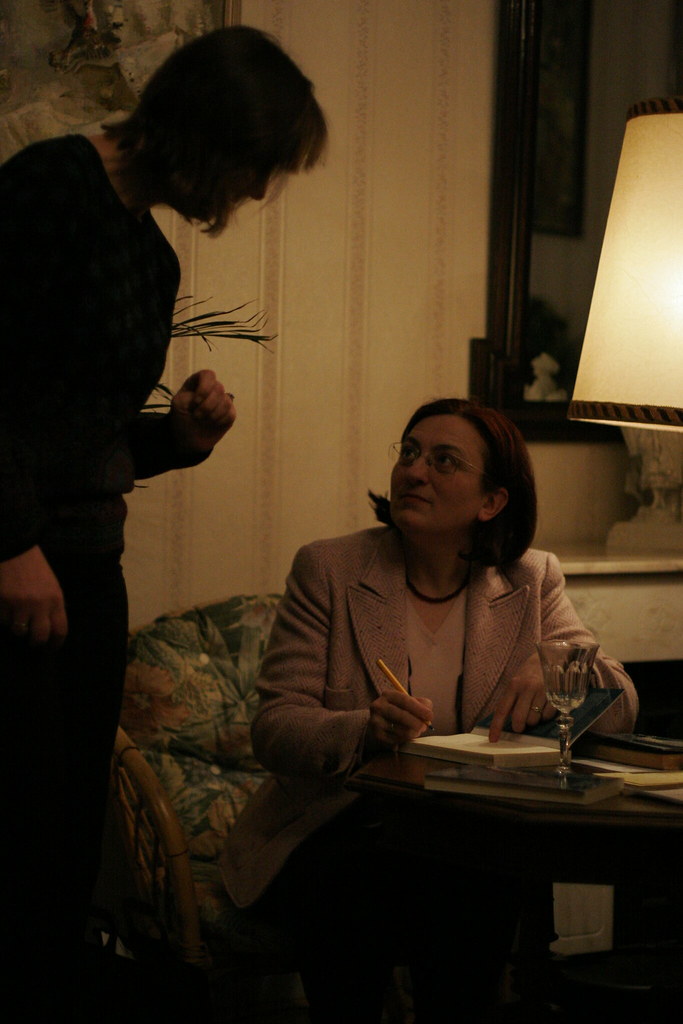
PHOTO: Ludmilla Klotz. By Ralph Hälbig

Monday, January 18, 2010

ART: At the Cafesjian Center for the Arts (noteshairenik.blogspot.com)

Yesterday when walking around Yerevan's Cascade area Anush and I decided to pop into the new Cafesjian museum, officially known as the Cafesjian Center for the Arts, which has only been open for a couple of months I happened to see an advertisement for an Arshile Gorky exhibit there which apparently ends on January 31, so we made a decision on the spot to see it.

The museum is quite impressive to say the least. Seven halls comprise the center, one of which is an auditorium where currently jazz concerts are performed. The other rooms are used for display space for artwork and Cafesjian's own collectibles. Each hall is located on its own stage, or step if you will, of the Cascade monument. To access the upper halls you can either make the trek upwards on foot by hiking up the stone steps, or you can use the series of escalators found inside. Four of the venues required an admission fee for entrance (purchased inside), which is only 1,000 dram ($2.60) to see the entire collection of work.

MUSIC: Armenian Stories The Montreux Jazz Label TCB 03132, 2008 (welove-music.net)

"Hekiat" is the name of a band which invites four of Switzerland’s jazz familiar faces to feature a singer arriving from abroad, bringing with her the roots of her homeland Armenia. The generosity of this traditional music makes the arrangements and compositions of the young pianist burst a new taste of inspirational armeno-jazz harmonies and rythms played delicately and abundantly by each band member. It is clear that the musical and cultural colors of this band varies from europe to middle east, but the musicians embrace this music and perform it as their own, letting their creativity and dedication unite them on stage as one unique sound.

ARTICLE: Stuck in the middle of Abkhazia (independent.co.uk)

Vodka and nostalgia are only friends for the ethnic Georgians trapped in a Russian-sponsored breakaway state that has failed to win recognition from the international community, reports Shaun Walker

ARTICLE: GEL Rate Down but Experts Are Optimistic (finchannel.com)

Written by Madona Gasanova
18/01/2010 13:30 (02:09 minutes ago)
The FINANCIAL -- The Georgian Lari (GEL) dropped by 1% last week, reaching an exchange rate of 1.7064 against the USD. Demand for USD during the Foreign Exchange Auction was three times higher than usual.

On January 15, 2010, the National Bank of Georgia sold 10,000,000 USD. This is the highest demand since August 7, 2009, when 10 million USD was sold at a rate of 1.6759 GEL for 1 USD. NBG said that further changes of the GEL against the USD will not be fixed in short term perspectives. Such high demand for the USD makes depositors cautious about keeping money in GEL.

INTERVIEW: U.S. Journalist Thomas Goltz discusses the Caucasus, Turkey and central Asia (ohmynews.com)

Ryskeldi Satke - Mr. Goltz, you had witnessed a Chechen-Russian war first hand in 1995 which led to a publishing of your book "Chechnya Diary." It has been 15 years since the beginning of a conflict between self-proclaimed independent Chechnya and the Kremlin. Do you think the Chechen conflict is over for Russia or is it just a beginning of another round of a vicious cycle on a larger scale in the North Caucasus?

Thomas Goltz - This is a very difficult question for me to answer in a responsible manner. I have not been on the ground in the region for almost a decade, and garner my news through public sources. Some these suggest that Kadyrov has consolidated power in a way that gives him (and thus Chechnya) a type of virtual independence (based on brutality) that eluded both Dudayev and Maskhadov. Others suggest that the spate of police killings and other acts of violence in Ingushetia and elsewhere are the harbingers of greater violence to come.

Sunday, January 17, 2010

EXHIBITION: Anton Balanchivadze has two exhibitions in Europe (antonbalanchivadze.com)

link: www.antonbalanchivadze.com

Anton Balanchivadze invited to participate in the group exhibition in JMA gallery Vienna , where by the way will be exposed the original works of Salvador Dali .

jma Gallery, Halbgasse 32 Top III , Entrance: Neustiftgasse 123
A- 1070 Wien
Tel/Fax: +43 1 522 10 09, Mobile: +43 69912242497
E-mail:
office@jmagallery.com
www.jmagallery.com

Participating Artists: ARTHUR BRAGINSKY, PAOLO DA SAN LORENZO, TAUNO KANGRO, MARINA PODGAEVSKAYA, PATRICIA ABRAMOVICH, ANTON BALANCHIVADZE, DESPINA PAPADOPOULOU, FRANCESCO MINO, NAIKOS, LUKA SIROK, MIREILLE DUBOIS VANHOVE, SALVA DORDALI

Sculptures & Lithographies
Salvador Dali & Co
“Art for All”
Art Exhibition from 22 January - 28 February 2010

And then from the beginning of February he is taking part in the Camden Art Gallery London.

Anton Balanchivadze.
Camden Art Gallery - Collective exhibition 3rd-23rd February 2010
CAMDEN ART GALLERY

61 Chalk Farm Road
NW1 8AN
London
Te: +44 207 485 6644
Te: +33 9 66 87 0545
www.camdenartgallery.com

NEW WEBSITE: BATSAV and the batsbi ans other unknown caucasian peoples (batsav.com)

Alexander J. T. Bainbridge wrote in the last times his own blog. Some knows his blog: transcaucasian.blogspot.com. Now you have note that A.J.T. Bainbridge will slowly transferring his blog to his new home at www.batsav.com.

This new (December 2009) website initially started as a blog called "Transcaucasus", which was hosted on Blogger.com (at www.transcaucasian.blogspot.com).


I had been thinking of creating a dedicated website for my Caucasus-related "findings" (i.e. ramblings) ever since I first landed on Blogger, but for the usual reasons I never actually created such a website, and the blog just got longer and longer and longer and longer and longer... and more and more contorted and unreadable and chaotic... and then one day (summer 2009) I started noticing that images which I uploaded to my blog-posts started disappearing. This phenomenon - which Blogger i.e. Google seem to be ignoring - just got worse, and when some tables disappeared the day after I first uploaded them, I decided that I had had enough, and began to create this website.


MUSIC: Choir Of Tbilisi (amazon.de)

Aus dem Album Drinking Horns & Gramophones 1902-1914 - The First Recordings In The Georgian Republic

PORTRÄT: Giwi Margwelaschwili - Ein Georgier aus Wilmersdorf (maerkischeallgemeine.de)

Schriftsteller erlebte hautnah Unterschiede und Gemeinsamkeiten zweier Diktaturen

BERLIN - Wedding, Behmstraße. Der Betonklotz ist grau und schon recht betagt, die Wände im Flur sind kahl. Der Aufzug ist eng und altersschwach. Doch ohne zu mucken fährt er in den vierten Stock.

Dort öffnet ein zierlicher älterer Herr mit längeren weißen Haaren lächelnd die Tür. Die kleine Wohnung ist schlicht und zweckmäßig eingerichtet. Nur der alte Schrank mit den Glastüren fällt auf. Er steckt voller Fotos, voller Bücher, voller Erinnerungen.

Es sind Zeugnisse eines bewegten Lebens, auf das Giwi Margwelaschwili zurückblickt; ein Leben, das sich vorwiegend in Berlin und der georgischen Hauptstadt Tbilisi abspielte. Der Germanist und Schriftsteller erblickte 1927 an der Spree das Licht der Welt. Seine Eltern waren sechs Jahre zuvor aus Georgien nach Deutschland emigriert. Der Vater, ein Philosoph, war vor den Sowjets geflohen. „Die hatten 1921 das Land überrannt“, sagt er. Dabei hätten die Besatzer im Kaukasus nichts verloren: „Andere Menschen, andere Sitten, andere Kulturen.“

Im bürgerlichen Wilmersdorf im Westen Berlins wächst er auf, ausschließlich deutschsprachig. In der Güntzelstraße wohnt die Familie, am Hohenzollernplatz spielt er oft, zu manchen Schulfreunden hat er bis heute Kontakt. Sein Vater, der auf den römischen Namen Titus hörte, kümmert sich um die Belange georgischer Emigranten, er fungiert als kultureller Botschafter seines Landes.

Als die Nazis an die Macht kommen, ändert sich für Giwi wenig. Zum Glück wollen die Familien seiner Freunde von den braunen Machthabern herzlich wenig wissen. Die jungen Leute hören lieber Swing und Jazz statt Märsche oder blut- und bodentriefende Durchhalteparolen. „Das war uns alles viel zu ernst“, sagt er. Eine Einberufung als Kanonenfutter für einen längst verlorenen Krieg bleibt dem jungen Georgier erspart. Die Staatenlosigkeit schützt ihn davor.

Als die Rote Armee die Hauptstadt erobert, wird es ungemütlich. „Die machten regelrecht Jagd auf sowjetische Emigranten“, sagt er. So ist Giwi mehr als mulmig zumute, als die neuen Herren den Vater als Dolmetscher in ihr Hauptquartier holen. Zunächst pendelt Titus zwischen seiner Wohnung und seinem neuen Arbeitsplatz in Karlshorst hin und her. Als die Amerikaner im Herbst 1945 einrücken, bleibt er einfach im Westsektor.

Dann steht mit einem Mal ein alter Freund des Vaters vor der Tür. Der im Ostsektor lebende Georgier will Materialien für ein Buchprojekt sammeln, der Vater soll helfen. Ab und zu schickt Titus seinen Sohn mit Unterlagen zu ihm.

Eines Tages lädt besagter Freund den Vater per Telefon zu sich ein. Einen Wagen will er schicken, um den Vater abzuholen. Tatsächlich klingelt wenige Tage später ein Chauffeur an der Tür. Im Wagen sitzen weitere unscheinbare Männer, vermutlich Bekannte des Freundes.

Der Vater steigt ein und nimmt seinen Sohn mit. Kaum fährt das Auto los, merken die beiden, dass sie in der Falle sitzen. Möglicherweise arbeitete der Freund mit dem NKWD, wie der sowjetische Geheimdienst damals hieß, zusammen oder wurde von ihm benutzt. Man will den Vater in den Ostteil Berlins entführen. Die Männer im Auto sind Offiziere, die normale Mäntel über ihren Uniformen tragen. Die Fahrt geht durchs Brandenburger Tor ins sowjetische Hauptquartier.

Der Vater wird vom Stadtkommandanten verhört. Als er in die Zelle im Keller zurückkehrte, war er kreidebleich, erinnert sich der Sohn. „Kollaboration mit den Nazis“ lautet der Vorwurf. Am nächsten Morgen führen sie den Vater ab. Giwi wird ihn nie wieder sehen. Die Sowjets verschleppen Titus über Moskau nach Georgien, wo sie ihn erschießen.

Giwi bleibt noch einen Monat in Haft, dann kommt er ins sowjetische Speziallager des ehemaligen KZ Sachsenhausen. „Dort hingen wir rum und litten schrecklichen Hunger“, erinnert er sich. Gut, außer gelegentlichem Kohleschippen stehen keine schweren körperlichen Arbeiten an. Doch mit einem Teller Suppe am Tag kann man kaum überleben. Hinzu kommt die schreckliche Ungewissheit, ob und wann man jemals entlassen werden würde.

Im August 1947 holt ihn ein NKWD-Offizier ab und eskortiert ihn über Moskau nach Georgien. Der Offizier hatte kein Wort mit ihm gesprochen, doch Giwi ahnt, was ihm bevorsteht. Er soll repatriiert werden. Ab, zurück ins Land seiner Vorfahren. Zum Glück hat er Verwandte in Tbilisi, der Hauptstadt. Seine Tante nimmt ihn auf. „Die Familie war sehr nett“, sagt er. Er, der weder russisch noch georgisch konnte, lernt hier schnell beide Sprachen. Es geht ihm nicht schlecht. Er studiert Germanistik, arbeitet als Deutschlehrer und wird 1971 an das Philosophische Institut der Georgischen Akademie der Wissenschaften berufen.

Nach Stalins Tod kam das große Tauwetter, erinnert er sich. „Staatschef Nikita Chruschtschow war zwar dem Westen gegenüber borstig, aber Sowjetbürger fasste er mit Samthandschuhen an“, sagt Giwi. Plötzlich kamen Segnungen wie Kühlschränke, Fernseher oder Tonbandgeräte. Und eine gewisse Redefreiheit.

Giwi findet schnell Anschluss, es gibt viele Gleichgesinnte. „Die Menschen waren schon wegen der Verfolgungen unter Stalin gegen das Regime“, sagt er. Wie damals im dritten Reich hören die jungen Leute lieber Jazz statt Propaganda. Giwi: „Da stellte ich eine Parallele fest.“ Man feiert gerne, man genießt die georgische Küche, die vielen Weine und Salate, die leckere Putenkeule in Nusssauce. Giwi trifft die Schriftstellerin und Germanistin Naira Gelaschwili, mit der er von 1970 bis 1980 verheiratet ist.

Doch der Staat sitzt ihm auch hier im Nacken. Der Geheimdienst KGB will ihn bereits in den 1950er-Jahren anwerben. „Ich bin zu nervös, zu kränklich“, erwidert er den Schlapphüten. Kein Problem, es geht um den Innendienst, bescheiden ihm die Spione. Doch Giwi will kein Spitzel werden. Zur Strafe muss er das Studium zwei Jahre lang unterbrechen und im Büro arbeiten.

Später knüpfen Schriftsteller aus der DDR und der Bundesrepublik Kontakt zu ihm. Heinrich Böll besucht ihn 1967. Wenig später kommen Sarah Kirsch, Elke Erb und Adolf Endler. Als er als Dolmetscher das Georgische Staatstheater nach Ostberlin begleitet, schaut er, zum Missfallen der Stasi, bei Wolf Biermann vorbei und erhält für lange Zeit Reiseverbot. Mit dem Ostberliner Publizisten Ekkehard Maaß verbindet ihn seit 1983 eine enge Freundschaft, die bis heute hält. Er stand plötzlich vor der Tür, einfach so. Giwi, wegen seiner unerfreulichen Geheimdienst-Erfahrungen stets auf der Hut, vertraut ihm. „Der war in Ordnung, das sah ich sofort.“ Maaß hilft ihm bei der Rückkehr nach Berlin und der Herausgabe seiner literarischen Werke.

Seit 1993 wohnt Giwi wieder an der Spree. Am liebsten möchte er nach Wilmersdorf zurückkehren, dahin, wo er aufgewachsen ist: in die Güntzelstraße.


Von Fritz Hermann Köser)

Quelle: www.maerkischeallgemeine.de

BOOK PRESENTATION: A Little War that Shook the World: Georgia, Russia, and the Future of the West (americanacademy.de)

Thursday, Jan. 21, 8:00 pm, Berlin

Ronald D. Asmus, Executive Director, Transatlantic Center and Strategic Planning of The German Marshall Fund of the United States, discusses his new book A Little War that Shook the World: Georgia, Russia, and the Future of the West (Palgrave Macmillan, 2010) with with Eckart von Klaeden, Minister of State. The evening will be moderated by Gerhard Spörl of Der Spiegel.

In Cooperation with the German Marshall Fund of the United States

American Academy in Berlin GmbH

Am Sandwerder 17-19
D-14109 Berlin, Germany
Phone +49-(30) 8 04 83-0
Fax +49-(30) 8 04 83-111
Email: mailbox@americanacademy.de

Ronald Asmus
Preface by Strobe Talbott


source: georgiandaily.com

“Required reading if you want to know what really happened behind the scenes in the Russo-Georgian war -- and how the West let Tbilisi down in the face of Russian aggression."
Senator John McCain

“[P]rovides a very timely, historically clarifying, geopolitically illuminating analysis of the first post-Cold War East-West military conflict --- and does so with unique insider's knowledge of what actually did happen… an important statement and a very good read!”
Zbigniew Brzezinski, former National Security Advisor and author of The Choice: Global Domination or Global Leadership

“Ron Asmus has been an original thinker, diplomat and the go-to expert on Central and Eastern Europe for the more than 20 years that I have known him. His writing should be required reading for those who care about Europe and its neighborhood, and his account of the August 2008 Russo-Georgia war is one that no one who cares about the region should miss.”
Madeleine K. Albright, U.S. Secretary of State, 1997-2001

“I can think of few individuals more qualified to judge the background to, nature of and consequences of the five-day war between Russia and Georgia than Ron Asmus. With unique access to key actors, he discribes the political background of what happened in a way no one else could have done. The book is an invaluable contribution to our understanding of the Caucasus, Europe, transatlantic relations as well as the Russia of today and tomorrow.”
Carl Bildt, former prime minister of Sweden

978-0-230-61773-5/ Hardcover / $27.00

Ronald Asmus is executive director of the Brussels-based Transatlantic Center and responsible for Strategic Planning at the German Marshall Fund of the United States. He is the former deputy assistant secretary of state for European Affairs during President Clinton’s second term. He has published numerous essays over the years on US-European relations, including in Foreign Affairs, Survival, the American Interest and Policy Review. He is the author of Opening Nato's Door, a contributor to The Washington Post, Wall Street Journal, and The New Republic, and others, and is a commentator in both the American and European news media. He lives in Brussels, Belgium.

OPEN LETTER: Veränderung der Systematik in der Abteilung Ostrecht der Zentralbibliothek Recht der Fakultät für Rechtswissenschaft

Frau Direktorin
Prof. Dr. Gabriele Beger
Vorsitzende der Ständigen Konferenz
des Bibliothekssystems Universität Hamburg (SKB)
Staats- und Universitätsbibliothek
Hamburg Carl von Ossietzky
Von Melle Park 3
20146 Hamburg


Hamburg, den 15.01.2010


Betr.: Veränderung der Systematik in der Abteilung Ostrecht der Zentralbibliothek Recht der Fakultät für Rechtswissenschaft


Sehr geehrte Frau Prof. Dr. Beger,

wir bitten Sie in Ihrer Funktion als Verantwortliche für die Fachaufsicht über die Hamburger Hochschulbibliotheken dringend um eine Stellungnahme zur Neugestaltung der Systematik in der Abteilung Ostrecht der Zentralbibliothek Recht der Fakultät für Rechtswissenschaft. Dieser Brief geht in Kopie auch an das Auswärtige Amt in Berlin, an Frau Herlind Gundelach, Senatorin für Bildung und Wissenschaft in Hamburg und an Frau Prof. Dr. Gabriele Löschper, Vizepräsidentin der Universität Hamburg. Wir sind als Studierende und mit Georgien verwandtschaftlich, freundschaftlich und beruflich verbundene Menschen äußerst besorgt über den möglichen Schaden, den die Vorgehensweise in der Zentralbibliothek Recht in Hamburg den deutsch-georgischen Beziehungen zufügen kann.

Bibliothekarische Ordnungssysteme bilden zweifellos nicht nur soziale und politische Wirklichkeiten ab, sondern sie sind immer auch Teil des Prozesses der Wirklichkeitskonstruktion. D.h. auch, dass die Strukturierung und Ordnung von Wissensquellen als hochgradig verantwortungsvolle Tätigkeit begriffen werden muss. Nun mussten wir in der „modernsten Rechtsbibliothek nördlich der Alpen“ (Jörg Dräger) leider einen eklatanten Mangel an solchem modernen selbstreflexiven Methodenverständnis feststellen.

In der Abteilung Ostrecht dürfen die Benutzer seit Kurzem die neu installierte Länderklassifikation „Abchasien“ bestaunen. Als Direktorin der Staatsbibliothek Hamburg wird Ihnen aus der politischen Berichterstattung der letzten Jahre bekannt sein, dass es sich dabei um einen Landesteil der Republik Georgien handelt, der von der Bundsrepublik Deutschland und der EU nicht als eigener Staat anerkannt wurde. Offenbar hat Herr Prof. Luchterhandt, Professor für Öffentliches Recht und Ostrecht am Fachbereich Rechtswissenschaft I, Direktor der Abteilung für Ostrechtsforschung, seinen Einfluss geltend gemacht und diese Neuklassifikation, die Abchasien nun als eigenes Land identifiziert, angeordnet. Herr Prof. Luchterhandt ist mit sehr dezidierten und äußerst umstrittenen Stellungnahmen zur Abchasienfrage in der deutschen Öffentlichkeit hervorgetreten. Solche Meinungsäußerungen waren und sind zweifellos sein gutes Recht. In diesem Falle benutzt er jedoch seinen Einfluss, um im Rahmen des universitären Bibliothekssystems seine einseitigen Anschauungen zu prolongieren. Herr Prof. Luchterhandt will auf diesem Wege offenbar durch semantisch-klassifikatorische Umgruppierungen der Anerkennung Abchasiens, die von ihm öffentlich unterstützt wird, Vorschub leisten. Wir sind der Auffassung, dass ein solches Vorgehen dem Ansehen der Fakultätsbibliothek erheblichen Schaden zufügen kann. Die betroffene Bibliothek dient der Ausbildung zukünftiger Juristen im In- und Ausland, denen auf diesem Wege ein Vorverständnis des Kaukasus vermittelt wird, das eindeutig russischen Interessen dient.

Wir möchten Sie daher bitten, uns mitzuteilen, wann diese Änderungen von Herrn Prof. Luchterhandt angeordnet wurden und warum die Bibliothek dem stattgegeben hat. Wir erwarten, dass uns die Kriterien für diese Veränderung genannt werden. Wir fordern Sie hiermit auf, Ihre fachliche Aufsichtspflicht wahrzunehmen und den Entscheidungsprozess, der zu dieser Maßnahme geführt hat, uns gegenüber transparent darzulegen.

Mit freundlichen Grüßen,

Marika Lapauri-Burk (Vorsitzende von Lile e. V.)
Dr. Frank Tremmel (Historiker)
Nana Tschelidze-Jacques (Dolmetscherin)
Koka Togonidze (Vorstand der ViDOFON AG)
Tamara Gavsiani (Doktorandin der Juristischen Fakultät der Universität Hamburg)
David Assatiani (Doktorand im Institut der Politik Wissenschaft der Universität Hamburg)
Inga Tscholokava (Studentin an der Institut für Journalistik und kommunikationswissenschft der Universität Hamburg)

LILE e.V.
Marika Lapauri-Burk
Max-Brauer-Allee 68
22765 Hamburg
Tel./Fax.: +49 40 / 389 2222
Mobil: +49 (0)171 851 3635
E-Mail: info@lile.de
Internet: www.lile.de

Wednesday, January 13, 2010

KONZERT: THE SHIN & MAIA BARATASHVILI IN KARLSRUHE (tollhaus.de)

DONNERSTAG, 18.02.2010, 20:30 UHR /// TOLLHAUS /// Karlsruhe /// GERMANY

hier erfahren sie mehr >>>

Beim ZELTIVAL im vergangenen Sommer feierten The Shin als eine der beiden Gewinnerbands des „creole südwest“ Wettbewerbs 2009 ihren Einstand in Karlsruhe. Nun kommen die Exil-Georgier als Gewinner des „creole“-Bundeswettbewerbes wieder, diesmal mit der stimmgewaltigen Maia Baratashvili als Gast. Das Ende der 90er Jahre von in Deutschland lebenden, hervorragenden georgischen Musikern gegründete Trio begeisterte auch beim ZELTIVAL durch Virtuosität, energetisches Spiel und humorvolle Leichtigkeit. Die drei Musiker verbinden brillant die charakteristische kaukasische Gesangsharmonik mit Elementen des europäischen Jazz zu einem noch nie gehörten Klangereignis. Berühmte georgische Mehrstimmigkeit und instrumentale Virtuosität entfalten sich im druckvoll kuommunikativen Austausch mit Jazz Scat, Funk und Fusion, Flamenco und Indien, Ravel und McLaughlin. Wir ihre Kollegen von The Shin ist Maia Baratashvili eine Grenzgängerin zwischen den musikalischen Welten. Seit ihrer Jugend fesselt die aus Tiflis stammende Maia Baratashvili ihr Publikum durch ihre kraftvolle und ausdrucksstarke Stimme. Seit sie sich nach einer klassischen Ausbildung Mitte der 90er Jahre dem Jazz zuwandt, singt sie als Solistin ebenso mit dem Tiflis Jazz Orchester wie dem staatlichen Sinfonieorchester Georgiens. Mit verschiedenen Jazzformationen war sie auf vielen internationalen Festivals zu Gast, gewann zahlreiche Preise, arbeitete mit Jazzgrößen wie dem amerikanischen Keyboarder George Duke und veröffentlichte eine ganze Reihe eigener CDs.

Tuesday, January 12, 2010

PHOTOGRAPHY: Pipe Dreams. Eine Chronik des Lebens entlang der Pipeline. Von Rena Effendi und Martin Ruben Becker (amazon.de)

Gebundene Ausgabe: 176 Seiten
  • Verlag: Benteli; Auflage: 1 (September 2009)
  • Sprache: Deutsch
  • ISBN-10: 3716516031
  • ISBN-13: 978-3716516034
  • Originaltitel: Pipe Dreams - A chronicle of lives along the pipeline

    Das Geschäft mit Öl, dem schwarzen Gold, ist eines der lukrativsten auf der Welt. Dienneue Pipeline vom Kaspischen Meer zum Mittelmeer verspricht der westlichen Welt einen ungehinderten Zugang zum Öl jenseits des Kaukasus. Doch für die unmittelbaren Anwohner der 1700 Kilometer langen Röhre ist sie vor allem ein unheimliches Ding, das nur wenigen viel Geld und den meisten Unglück bringt.
  • Die Fotografin Rena Effendi bereiste die Länder entlang der Pipeline, die auf ihren eindrucksvollen Fotos nicht sichtbar ist, da sie tief im Erdboden vergraben verläuft. Sichtbar hingegen sind die Anwohner und ihre Lebensumstände. Und spürbar wird die Kluft zwischen ihrem Dasein und der Welt derer, die das Öl erhalten werden oder es vermarkten. Beispielsweise fliessen täglich 70 Millionen Dollar unter Häusern hindurch, die seit Jahrzehnten aus Mangel an Gas nicht mehr beheizt werden können...
    Eine Pipeline birgt stets eine Glücksverheissung, auf die man kaum zu hoffen wagt. Das Buch von Rena Effendi ist all jenen Menschen Aserbaidschans, Georgiens und der Türkei gewidmet, die durch die Ölpipeline und die gescheiterte Hoffnung auf eine bessere Zukunft schicksalshaft miteinander verbunden sind.
    Rena Effendi, geb. 1977 in Baku, Aserbaidschan, gelangte über die Malerei zur Fotografie, die sie seit 2001 professionell ausübt. Neben zahlreichen Auszeichnungen gewann Rena Effendi 2004 den Fifty Crows International Fund Award für Dokumentarfotografie und 2006 den Giacomelli Memorial Fund Award. Vom Photo District News Magazine wurde sie als eine der dreissig Newcomer-Fotografen 2007 gewählt. 2008 gewann sie den National Geographic All Roads Photography Award.

    AmazonShop: Books, Maps, Videos, Music & Gifts About The Caucasus