Tuesday, July 22, 2008


Monday, July 21, 2008
NEWS: Georgia News Digest 07-21-08
A service of the Georgian Foundation for Strategic and International Studies
Attached PDF file easily navigable with Bookmarks pane
Archives and associated files at groups.google.com/group/genewsfiles (from February 2008) and groups.google.com/group/genews (before February 2008)
German plan
1. Mikheil Saakashvili and Frank-Walter Shteinmeier held a joint press conference
2. Moscow, Sukhumi stop German plan before the start
3. Steinmeier's meeting with Abkhaz president shifted from Sukhumi to Gali due to weather
4. No alternative to Tbilisi-Sukhumi dialog
5. Georgia's, Abkhazia's positions "far removed from each other"
6. Mixed reviews for German Georgia peace plan
7. Bid to end deadlock in Georgia conflict; German mediator presents peace plan for Abkhazia
8. Germany's Abkhaz peace plan gets off to shaky start
9. No quick solution to Russian-Georgian crisis
10. Europe not able to resolve conflicts in Georgia
11. Abkhaz leader says German plan unacceptable
12. Abkhazia rejects plan to settle Georgian conflict
13. Head of Abkhazia region rejects settlement plan
14. Abkhazia won't talk to Tbilisi until Georgian troops leave Kodori
15. Abkhazia ready to support direct economic contacts with EU
16. Refugees' return to Abkhazia "may lead to new war"
17. video: Hopes remain for peace deal despite Abkhazian rejection
18. Steinmeier's peace tour "constructive," says Russian diplomat
19. Steinmeier plan is step in right direction, contains unrealistic offer
20. Moscow calls German Georgia plan 'extremely helpful'
21. Russia insists on Georgian troop pullout to end Abkhazia conflict
22. Withdrawal of Georgian troops only way out of Abkhazia conflict
23. Russian minister seeks 'road map' over Abkhazia
24. German plan for Georgia "unrealistic”
25. Tbilisi downplays Abkhaz rejection of German plan
26. Tbilisi hopes Moscow would OK German plan for Georgian-Abkhaz settlement
27. Russian visit of German minister vital for Abkhaz settlement plan
28. Russian reaction to Abkhazia settlement plan surprises Georgian MP
29. Georgia agrees to negotiate Abkhazia conflict resolution
30. Georgian-backed Abkhaz official slams Russia for encouraging separatism
31. Abkhazia's rejecting German settlement plan "political game"
Russia relations and conflicts
32. West could side with Russia
33. A furious Kremlin is determined to bar NATO from its backyard but conflict will solve nothing
34. Georgia expects "very serious" discussions at UN Security Council on 21 July
35. I completely rule out likelihood of a full-scale war
36. Is there any hope for Russia's Europeasation?
37. Officials wary of Russian drills near Georgian border
38. Who masterminds terrorist acts?
39. Georgian air defense potential
40. Russian youngsters hold rally
41. Activists hold rally against Georgian president in Moscow
42. War fears cast a shadow over Stalin's former playground
43. Tbilisi unwilling to pull out from Kodori Gorge
44. Moscow tries to legalize ‘ethnic cleansing’ in Abkhazia
45. Separatist deny report of military build-up in Georgia's Abkhazia
46. Russia deploys military hardware in Upper Abkhazia
47. Transdniestria vows to provide military aid to Abkhazia if need be
48. Police post attacked on Abkhaz border
49. Police post shot on in zone of Georgia-Abkhazia conflict
50. Separatists beat up person for his ethnicity
51. South Ossetia rejects EU proposal for talks with Georgia
52. OSCE envoy pushes for movement in South Ossetia peace process
53. Tskhinvali rejects talks in Brussels
Politics and government
54. An open letter to Georgian Parliament
55. The Public Defender to publish a special report on freedom of speech practice in Georgia
56. Burjanadze's struggle for 'embryonic democracy'
57. Way of financing political parties shall change
58. Interview with Mr. Eduard Shevardnadze
59. Labor members without salaries
60. Davit Bakradze met with Terhi Hakala
Business and economics
61. Shocking rates for inflation's sake
62. Basic food, transport costs up sharply as inflation at 11.3 percent
63. Dutch company Alkyon to study the potential of enlargement of Poti seaport
64. Processing enterprise Farkoni opened In Kutaisi with MCG funds
65. Hydroelectric power station opening in Georgia’s region populated with Azerbaijanis
66. After citizen complaints, Environment Ministry monitors industrial plants
67. Tea, two, one: Countdown to Georgian chai revival?
68. Turkey biggest investor in first quarter 2008
69. Turkish, Azeri, Georgian leaders to launch rail link project
Misc.
70. Shalva Ramishvili was denied early release from jail
71. Kavkasia TV and the end of independent media
72. Prime Time on Rustavi 2 or nowhere
73. Ukraine-Georgia Black Sea ferry is no package tour
74. Coastal Guard boat to visit Turkey friendly
Jonathan Kulick, Ph.D., Director of Studies, Georgian Foundation for Strategic and International Studies, 3a Chitadze, Tbilisi 0108, Georgia (Republic), jonathan.kulick@gfsis.org, office: +995 32 47 35 55, mobile: +995 95 33 33 40, USA voicemail: 310.928.6814
Attached PDF file easily navigable with Bookmarks pane
Archives and associated files at groups.google.com/group/genewsfiles (from February 2008) and groups.google.com/group/genews (before February 2008)
German plan
1. Mikheil Saakashvili and Frank-Walter Shteinmeier held a joint press conference
2. Moscow, Sukhumi stop German plan before the start
3. Steinmeier's meeting with Abkhaz president shifted from Sukhumi to Gali due to weather
4. No alternative to Tbilisi-Sukhumi dialog
5. Georgia's, Abkhazia's positions "far removed from each other"
6. Mixed reviews for German Georgia peace plan
7. Bid to end deadlock in Georgia conflict; German mediator presents peace plan for Abkhazia
8. Germany's Abkhaz peace plan gets off to shaky start
9. No quick solution to Russian-Georgian crisis
10. Europe not able to resolve conflicts in Georgia
11. Abkhaz leader says German plan unacceptable
12. Abkhazia rejects plan to settle Georgian conflict
13. Head of Abkhazia region rejects settlement plan
14. Abkhazia won't talk to Tbilisi until Georgian troops leave Kodori
15. Abkhazia ready to support direct economic contacts with EU
16. Refugees' return to Abkhazia "may lead to new war"
17. video: Hopes remain for peace deal despite Abkhazian rejection
18. Steinmeier's peace tour "constructive," says Russian diplomat
19. Steinmeier plan is step in right direction, contains unrealistic offer
20. Moscow calls German Georgia plan 'extremely helpful'
21. Russia insists on Georgian troop pullout to end Abkhazia conflict
22. Withdrawal of Georgian troops only way out of Abkhazia conflict
23. Russian minister seeks 'road map' over Abkhazia
24. German plan for Georgia "unrealistic”
25. Tbilisi downplays Abkhaz rejection of German plan
26. Tbilisi hopes Moscow would OK German plan for Georgian-Abkhaz settlement
27. Russian visit of German minister vital for Abkhaz settlement plan
28. Russian reaction to Abkhazia settlement plan surprises Georgian MP
29. Georgia agrees to negotiate Abkhazia conflict resolution
30. Georgian-backed Abkhaz official slams Russia for encouraging separatism
31. Abkhazia's rejecting German settlement plan "political game"
Russia relations and conflicts
32. West could side with Russia
33. A furious Kremlin is determined to bar NATO from its backyard but conflict will solve nothing
34. Georgia expects "very serious" discussions at UN Security Council on 21 July
35. I completely rule out likelihood of a full-scale war
36. Is there any hope for Russia's Europeasation?
37. Officials wary of Russian drills near Georgian border
38. Who masterminds terrorist acts?
39. Georgian air defense potential
40. Russian youngsters hold rally
41. Activists hold rally against Georgian president in Moscow
42. War fears cast a shadow over Stalin's former playground
43. Tbilisi unwilling to pull out from Kodori Gorge
44. Moscow tries to legalize ‘ethnic cleansing’ in Abkhazia
45. Separatist deny report of military build-up in Georgia's Abkhazia
46. Russia deploys military hardware in Upper Abkhazia
47. Transdniestria vows to provide military aid to Abkhazia if need be
48. Police post attacked on Abkhaz border
49. Police post shot on in zone of Georgia-Abkhazia conflict
50. Separatists beat up person for his ethnicity
51. South Ossetia rejects EU proposal for talks with Georgia
52. OSCE envoy pushes for movement in South Ossetia peace process
53. Tskhinvali rejects talks in Brussels
Politics and government
54. An open letter to Georgian Parliament
55. The Public Defender to publish a special report on freedom of speech practice in Georgia
56. Burjanadze's struggle for 'embryonic democracy'
57. Way of financing political parties shall change
58. Interview with Mr. Eduard Shevardnadze
59. Labor members without salaries
60. Davit Bakradze met with Terhi Hakala
Business and economics
61. Shocking rates for inflation's sake
62. Basic food, transport costs up sharply as inflation at 11.3 percent
63. Dutch company Alkyon to study the potential of enlargement of Poti seaport
64. Processing enterprise Farkoni opened In Kutaisi with MCG funds
65. Hydroelectric power station opening in Georgia’s region populated with Azerbaijanis
66. After citizen complaints, Environment Ministry monitors industrial plants
67. Tea, two, one: Countdown to Georgian chai revival?
68. Turkey biggest investor in first quarter 2008
69. Turkish, Azeri, Georgian leaders to launch rail link project
Misc.
70. Shalva Ramishvili was denied early release from jail
71. Kavkasia TV and the end of independent media
72. Prime Time on Rustavi 2 or nowhere
73. Ukraine-Georgia Black Sea ferry is no package tour
74. Coastal Guard boat to visit Turkey friendly
Jonathan Kulick, Ph.D., Director of Studies, Georgian Foundation for Strategic and International Studies, 3a Chitadze, Tbilisi 0108, Georgia (Republic), jonathan.kulick@gfsis.org, office: +995 32 47 35 55, mobile: +995 95 33 33 40, USA voicemail: 310.928.6814
Sunday, July 20, 2008

FERNSEHEN: Die geraubten Bücher der weltberühmten Leopoldina/ Halle - Beutebücher in georgischen Kellern
Das Erste Sonntag, 20.07.2008 23:00 Uhr
ttt - titel thesen temperamente
MDR Länge: 30 Minuten
Moderation: Dieter Moor
In dieser Woche wurde die Deutsche Akademie der Naturforscher Leopoldina, übrigens die älteste Akademie ihrer Art, zur nationalen Akademie der Wissenschaften ernannt. Ungefähr zur selben Zeit entdeckt ein MDR-Team für „ttt“ tausende verschollene Beutebücher in einem schlecht zugänglichen Keller der Universitätsbibliothek von Tiflis in Georgien, darunter auch etliche vermisste Werke mit dem Stempel der Leopoldina. Es sind auch Schriften anderer deutscher Bibliotheken darunter, aus Bremen, Berlin, Leipzig, Magdeburg. „Bis vor kurzem wussten wir selber nichts über die Existenz dieser Bücher“, sagt die Leiterin der Universitätsbibliothek, Tamar Nemsicverdize, uns gegenüber.
Während des Zweiten Weltkrieges wurde der wertvolle Bestand der Bibliothek der Leopoldina kriegsbedingt in einen stillgelegten Salzstock in Wansleben ausgelagert. Nach dem Krieg waren die Bücher verschwunden. Die Trophäenkommission der Roten Armee hat die Bücher in die Sowjetunion abtransportieren lassen. Die Bücher waren als Ausgleich für die, von den Deutschen während des Krieges zerstörten oder ausgeraubten Bibliotheken gedacht. Jahrzehntelang galten die Bestände als unwiederbringlich verloren. Ein Teil der Bücher kam 1958 auf Grund einer Vereinbarung der DDR mit der UdSSR zurück. Doch so wertvolle Schriften berühmter Gelehrter wie Giordano Bruno und Johann Kepler blieben weiterhin verschwunden. Erst nach dem Auseinanderfallen der Sowjetunion findet sich eine neue Spur der Beutebücher in Georgien. Der damalige deutsche Außenminister, Hans-Dietrich Genscher, bekommt von seinem Freund, dem damaligen georgischen Präsidenten, Eduard Schewardnadse den Hinweis auf den Verbleib zahlreicher vermisster deutscher Bücher in Georgien. Beide vereinbaren die Restitution der einstigen deutschen Bibliotheksbestände. So kommen 1996 annähernd 100 000 Bücher aus Georgien nach Deutschland zurück, die meisten davon stammen aus Bibliotheken in Bremen, Magdeburg, Lübeck, es sind aber auch 20 aus der Leopoldina dabei. Dass nun ein MDR-Team für „ttt“ tausende weitere Beutebücher gefunden hat, sorgt für Aufsehen. Schewardnadse und er seien damals eigentlich davon ausgegangen, dass sich keine Bücher aus Beutebeständen mehr in Georgien befänden, sagt Hans-Dietrich Genscher dem MDR. Die Bücher sind in einem äußerst schlechten Zustand. Der Bibliotheksleiter der Leopoldina, Jochen Thamm, zeigte sich erfreut und bestürzt über diesen spektakulären Fund. Bei ihrem Zustand müsse schleunigst etwas geschehen, damit diese Bücher gerettet werden, sagt er.„ttt“ über die Odyssee der Beutebücher.
Autoren: Jens-Uwe Korsowsky, Nico Wingert
Quelle: "ttt" ttt - titel thesen temperamente >>>
ttt - titel thesen temperamente
MDR Länge: 30 Minuten
Moderation: Dieter Moor
In dieser Woche wurde die Deutsche Akademie der Naturforscher Leopoldina, übrigens die älteste Akademie ihrer Art, zur nationalen Akademie der Wissenschaften ernannt. Ungefähr zur selben Zeit entdeckt ein MDR-Team für „ttt“ tausende verschollene Beutebücher in einem schlecht zugänglichen Keller der Universitätsbibliothek von Tiflis in Georgien, darunter auch etliche vermisste Werke mit dem Stempel der Leopoldina. Es sind auch Schriften anderer deutscher Bibliotheken darunter, aus Bremen, Berlin, Leipzig, Magdeburg. „Bis vor kurzem wussten wir selber nichts über die Existenz dieser Bücher“, sagt die Leiterin der Universitätsbibliothek, Tamar Nemsicverdize, uns gegenüber.
Während des Zweiten Weltkrieges wurde der wertvolle Bestand der Bibliothek der Leopoldina kriegsbedingt in einen stillgelegten Salzstock in Wansleben ausgelagert. Nach dem Krieg waren die Bücher verschwunden. Die Trophäenkommission der Roten Armee hat die Bücher in die Sowjetunion abtransportieren lassen. Die Bücher waren als Ausgleich für die, von den Deutschen während des Krieges zerstörten oder ausgeraubten Bibliotheken gedacht. Jahrzehntelang galten die Bestände als unwiederbringlich verloren. Ein Teil der Bücher kam 1958 auf Grund einer Vereinbarung der DDR mit der UdSSR zurück. Doch so wertvolle Schriften berühmter Gelehrter wie Giordano Bruno und Johann Kepler blieben weiterhin verschwunden. Erst nach dem Auseinanderfallen der Sowjetunion findet sich eine neue Spur der Beutebücher in Georgien. Der damalige deutsche Außenminister, Hans-Dietrich Genscher, bekommt von seinem Freund, dem damaligen georgischen Präsidenten, Eduard Schewardnadse den Hinweis auf den Verbleib zahlreicher vermisster deutscher Bücher in Georgien. Beide vereinbaren die Restitution der einstigen deutschen Bibliotheksbestände. So kommen 1996 annähernd 100 000 Bücher aus Georgien nach Deutschland zurück, die meisten davon stammen aus Bibliotheken in Bremen, Magdeburg, Lübeck, es sind aber auch 20 aus der Leopoldina dabei. Dass nun ein MDR-Team für „ttt“ tausende weitere Beutebücher gefunden hat, sorgt für Aufsehen. Schewardnadse und er seien damals eigentlich davon ausgegangen, dass sich keine Bücher aus Beutebeständen mehr in Georgien befänden, sagt Hans-Dietrich Genscher dem MDR. Die Bücher sind in einem äußerst schlechten Zustand. Der Bibliotheksleiter der Leopoldina, Jochen Thamm, zeigte sich erfreut und bestürzt über diesen spektakulären Fund. Bei ihrem Zustand müsse schleunigst etwas geschehen, damit diese Bücher gerettet werden, sagt er.„ttt“ über die Odyssee der Beutebücher.
Autoren: Jens-Uwe Korsowsky, Nico Wingert
Quelle: "ttt" ttt - titel thesen temperamente >>>
RADIO: Jetzt gleich - Die Urale Musiktradition Armeniens
Sa, 19.07.2008, 13.00 Uhr
Mit Armenien verbindet der Musikfreund zunächst den "Säbeltanz" von Chatschaturjan.
Mit Volkstänzen aus Armenien, die von Solomon Solominian gesammelt wurden, und dem Ballett "Marmar" von Edgar Hovhanessian soll auf die Besonderheiten der Tanztraditionen Armeniens hingewiesen werden. Auch Musik des amerikanischen Komponisten Alan Hovhannes, der armenischer Abstammung war, wird erklingen, unter anderem mit Keith Jarrett als Solist am Klavier. In die uralte und spezielle Musiktradition Armeniens führt Sie Giselher Smekal.
Musikliste:
Komponist/Komponistin: Aram Khatchaturian/1903-1978
Säbeltanz aus dem Ballett "Gayaneh"
Orchester: Wiener Philharmoniker
Leitung: Aram Khatchaturian
Label: Decca Legends 4603152
Länge: 02:25 min
Komponist/Komponistin: Grigor Yeghiazarian/1908-1988
Titel: Tanz junger Mädchen
3. Satz aus dem Ballett "Sevat"
Orchester: Armenische Philharmonie
Leitung: Loris Tjeknavorjan
Label: ASV CD DCA 1037
Länge: 01:50 min
Komponist/Komponistin: trad. armenisch
Titel: Springtanz
Solist/Solistin: Djivan Gasparian, Bloul-Flöte; L.A Vetission, Dool-Trommel
Label: Le chant du mondeLDX 274922
Länge: 01:58 min
Komponist/Komponistin: Tigran Tahmizyan/geb.1961
Titel: A cool wind is blowing - für Duduk und Streichquartett
Ausführende: Kronos Quartet
Solist/Solistin: David Harrington/Violine
Solist/Solistin: John Sherba/Violine
Solist/Solistin: Hank Dutt/Viola
Solist/Solistin: Joan Jeanrenaud/Violoncello
Solist/Solistin: Djivan Gasparyan/Duduk
Label: Nonesuch 7559793942
Länge: 03:55 min
Komponist/Komponistin: trad. armenisch
Titel: Tsitsernak
Solist/Solistin: A.Karakhan, Tar
Label: Le chant du mondeLDX 274992
Länge: 02:27 min
Komponist/Komponistin: trad. armenisch
Titel: Chalakho
Solist/Solistin: A.Mirzoian, Kanou; G.Alhvardian, Dool
Label: Le chant du mondeLDX 274992
Länge: 02:50 min
Komponist/Komponistin: Alan Hovhaness/1911-2000
Titel: Achtamar op.64 Nr.1 - daraus: Allegro - 2.Satz
Solist/Solistin: Marvin Rosen/Klavier
Label: Koch 371952
Länge: 01:28 min
Komponist/Komponistin: Alan Hovhaness/1911-2000
Titel: Lousadzak op.48 - für Klavier und Orchester
Solist/Solistin: Keith Jarrett/Klavier
Orchester: American Composers Orchestra
Leitung: Dennis Russell Davies
Label: Music Masters 1612602042
Länge: 16:29 min
Komponist/Komponistin: Nerses Shnorhali
Titel: Chanapar
Chor: Haissmavourk Chor, CE: Mihran Ghazelian
Label: Celestial Harmonies 131152
Länge: 01:40 min
Komponist/Komponistin: Komitas /1869-1935
Vorlage: Traditional/Armenien
Bearbeiter/Bearbeiterin: Sergei Z. Aslamazian/1897-1978
Arr.Komponist/Komponistin: KOMITAS /26.9.1869
Kutais - 22.10.1935 Paris
Orchester: I Musici de Montreal
Leitung: Yuli Turovsky/Violoncello und Leitung
Solist/Solistin: Jacques Proulx/Percussion
Label: Chandos CHAN 10094
Länge: 02:24 min
Komponist/Komponistin: Edvard Mirzoyan/geb.1921
Titel: Lezginka - 4.Satz aus den Symphonischen Tänzen
Orchester: Armenische Philharmonie
Leitung: Loris Tjeknavorjan
Label: ASV CD DCA 1037
Länge: 03:34 min
Komponist/Komponistin: Loris Tjeknavorjan/geb.1937
Titel: Hochzeits_Adagio für Orchester aus dem Ballett "Othello" op.31
Orchester: Armenische Philharmonie
Leitung: Loris Tjeknavorjan
Label: ASV CD DCA 1037
Länge: 04:34 min
Komponist/Komponistin: Edgar Hovhannessian/geb.1930
Komponist/Komponistin: Edgar HOVHANNESSIAN/14.1.1930 Eriwan
Titel: MARMAR - Ballett; daraus: 8. Prozession
Orchester: Armenische Philharmonie
Leitung: Loris Tjeknavorjan
Label: ASV CD DCA 1033
Länge: 04:00 min
Stream >>>
Mit Armenien verbindet der Musikfreund zunächst den "Säbeltanz" von Chatschaturjan.
Mit Volkstänzen aus Armenien, die von Solomon Solominian gesammelt wurden, und dem Ballett "Marmar" von Edgar Hovhanessian soll auf die Besonderheiten der Tanztraditionen Armeniens hingewiesen werden. Auch Musik des amerikanischen Komponisten Alan Hovhannes, der armenischer Abstammung war, wird erklingen, unter anderem mit Keith Jarrett als Solist am Klavier. In die uralte und spezielle Musiktradition Armeniens führt Sie Giselher Smekal.
Musikliste:
Komponist/Komponistin: Aram Khatchaturian/1903-1978
Säbeltanz aus dem Ballett "Gayaneh"
Orchester: Wiener Philharmoniker
Leitung: Aram Khatchaturian
Label: Decca Legends 4603152
Länge: 02:25 min
Komponist/Komponistin: Grigor Yeghiazarian/1908-1988
Titel: Tanz junger Mädchen
3. Satz aus dem Ballett "Sevat"
Orchester: Armenische Philharmonie
Leitung: Loris Tjeknavorjan
Label: ASV CD DCA 1037
Länge: 01:50 min
Komponist/Komponistin: trad. armenisch
Titel: Springtanz
Solist/Solistin: Djivan Gasparian, Bloul-Flöte; L.A Vetission, Dool-Trommel
Label: Le chant du mondeLDX 274922
Länge: 01:58 min
Komponist/Komponistin: Tigran Tahmizyan/geb.1961
Titel: A cool wind is blowing - für Duduk und Streichquartett
Ausführende: Kronos Quartet
Solist/Solistin: David Harrington/Violine
Solist/Solistin: John Sherba/Violine
Solist/Solistin: Hank Dutt/Viola
Solist/Solistin: Joan Jeanrenaud/Violoncello
Solist/Solistin: Djivan Gasparyan/Duduk
Label: Nonesuch 7559793942
Länge: 03:55 min
Komponist/Komponistin: trad. armenisch
Titel: Tsitsernak
Solist/Solistin: A.Karakhan, Tar
Label: Le chant du mondeLDX 274992
Länge: 02:27 min
Komponist/Komponistin: trad. armenisch
Titel: Chalakho
Solist/Solistin: A.Mirzoian, Kanou; G.Alhvardian, Dool
Label: Le chant du mondeLDX 274992
Länge: 02:50 min
Komponist/Komponistin: Alan Hovhaness/1911-2000
Titel: Achtamar op.64 Nr.1 - daraus: Allegro - 2.Satz
Solist/Solistin: Marvin Rosen/Klavier
Label: Koch 371952
Länge: 01:28 min
Komponist/Komponistin: Alan Hovhaness/1911-2000
Titel: Lousadzak op.48 - für Klavier und Orchester
Solist/Solistin: Keith Jarrett/Klavier
Orchester: American Composers Orchestra
Leitung: Dennis Russell Davies
Label: Music Masters 1612602042
Länge: 16:29 min
Komponist/Komponistin: Nerses Shnorhali
Titel: Chanapar
Chor: Haissmavourk Chor, CE: Mihran Ghazelian
Label: Celestial Harmonies 131152
Länge: 01:40 min
Komponist/Komponistin: Komitas /1869-1935
Vorlage: Traditional/Armenien
Bearbeiter/Bearbeiterin: Sergei Z. Aslamazian/1897-1978
Arr.Komponist/Komponistin: KOMITAS /26.9.1869
Kutais - 22.10.1935 Paris
Orchester: I Musici de Montreal
Leitung: Yuli Turovsky/Violoncello und Leitung
Solist/Solistin: Jacques Proulx/Percussion
Label: Chandos CHAN 10094
Länge: 02:24 min
Komponist/Komponistin: Edvard Mirzoyan/geb.1921
Titel: Lezginka - 4.Satz aus den Symphonischen Tänzen
Orchester: Armenische Philharmonie
Leitung: Loris Tjeknavorjan
Label: ASV CD DCA 1037
Länge: 03:34 min
Komponist/Komponistin: Loris Tjeknavorjan/geb.1937
Titel: Hochzeits_Adagio für Orchester aus dem Ballett "Othello" op.31
Orchester: Armenische Philharmonie
Leitung: Loris Tjeknavorjan
Label: ASV CD DCA 1037
Länge: 04:34 min
Komponist/Komponistin: Edgar Hovhannessian/geb.1930
Komponist/Komponistin: Edgar HOVHANNESSIAN/14.1.1930 Eriwan
Titel: MARMAR - Ballett; daraus: 8. Prozession
Orchester: Armenische Philharmonie
Leitung: Loris Tjeknavorjan
Label: ASV CD DCA 1033
Länge: 04:00 min
Stream >>>
NACHRICHTEN: Steinmeier in Georgien
Annäherung von Türkei und Armenien Tagesspiegel - Germany
Die zerstrittenen Nachbarn Türkei und Armenien arbeiten an einer Normalisierung ihrer Beziehungen.
Reaktionen auf Bericht zur Lage der Menschenrechte in Georgien war ... Georgien Nachrichten - Germany
Südossetien lehnt EU-Vorschlag nach Treffen mit Vertreter ab RIA Novosti - Moscow, Russia
Südossetien will seine Anerkennung durch andere Länder durchsetzen, während Georgien es weiterhin als sein Gebiet betrachtet.
Steinmeier spricht mit Medwedew über Abchasien-Konflikt AFP
Zwischen Georgien und Russland schwelt seit langem ein Konflikt um den Status von Abchasien, das sich von Georgien losgesagt hatte.
Das harte Brot der Unabhängigkeit Heidenheimer Neue Presse - Germany
Die Menschen in Abchasien sind stolz auf ihre Abspaltung von Georgien. Doch das Leben in dieser international nicht anerkannten Unabhängigkeit ist schwer.
Kaukasus-Konflikte: Baku und Jerewan planen Außenministertreffen ... RIA Novosti - Moscow, Russia
Die Außenminister von Aserbaidschan und Armenien, Elmar Mamedjarow und Edward Nalbandjan, treffen voraussichtlich am 1. August in Moskau zusammen.
Türkei und Armenien bemühen sich um Normalisierung Basler Zeitung - Basel, Switzerland
Die Türkei und Armenien bemühen sich einem Zeitungsbericht zufolge verstärkt um eine Normalisierung ihrer Beziehungen.
Türkei und Armenien führen "historische" Geheimverhandlungen RIA Novosti - Moscow, Russia
Die Türkei und Armenien haben Geheimverhandlungen über die Normalisierung der Beziehungen zwischen beiden Staaten geführt.
Neues Deutschland: zum Besuch des deutschen Außenministers in Georgien news aktuell (Pressemitteilung) - Germany
Berlin (ots) - Schlechtes Omen: Als Bundesaußenminister Frank-Walter Steinmeier und Georgiens Präsident Michail Saakaschwili in Batumi die Presse »brieften«.
Steinmeier scheitert: Abchasien will weg von Georgien Die Presse - Wien, Austria
Abchasien: Steinmeier scheitert mit Vermittlungsbemühungen AFP
Bagapsch forderte, dass Georgien seine Truppen aus Abchasien abziehe. "Vorher sind Gespräche zwecklos", sagte er vor lokalen Medienvertretern.
Abchasien beharrt auf Unabhängigkeit von Georgien PR-Inside.com (Pressemitteilung) - Wien, Austria
Suchumi (AP) Der Präsident der abtrünnigen Region Abchasien hat einen internationalen Plan zur Beilegung des Konflikts mit der georgischen Zentralregierung ...
Steinmeier besucht Georgien und Russland wg Abchasien-Konflikts Finanzen.net - Germany
Steinmeier dämpft Hoffnungen auf schnellen Erfolg in Georgien Georgien Nachrichten - Germany
Neben der derzeitigen Außenministerin und dem neu ins Amt eingesetzten Präsidenten traf Steinmeier auch mit Vertretern der Opposition in Georgien zusammen.
Kouchner warnt vor Lageverschärfung in Georgien Die Presse - Wien, Austria
Zwischen Georgien und Russland schwelt seit Monaten ein Konflikt um den Status von Abchasien und Südossetien.
Über Schicksal neuer Weltordnung wird in Georgien entschieden ... RIA Novosti - Moscow, Russia
Über das Schicksal der neuen Weltordnung wird nach Ansicht des georgischen Präsidenten Michail Saakaschwili in Georgischen entschieden.
Steinmeier auf Krisenreise FR-online.de - Frankfurt, Germany
Dazu reist er zunächst nach Georgien, wo am Abend ein Treffen mit Staatspräsident Michail Saakaschwili in Batumi am Schwarzen Meer geplant ist, ...
Russland morgen: Steinmeier reist nach Abchasien russland-aktuell.ru - Moscow, Russia
In Batumi trifft er sich mit dem abchasischen Präsidenten Sergej Bagapsch, in Tiflis mit Saakaschwili.
Die zerstrittenen Nachbarn Türkei und Armenien arbeiten an einer Normalisierung ihrer Beziehungen.
Reaktionen auf Bericht zur Lage der Menschenrechte in Georgien war ... Georgien Nachrichten - Germany
Südossetien lehnt EU-Vorschlag nach Treffen mit Vertreter ab RIA Novosti - Moscow, Russia
Südossetien will seine Anerkennung durch andere Länder durchsetzen, während Georgien es weiterhin als sein Gebiet betrachtet.
Steinmeier spricht mit Medwedew über Abchasien-Konflikt AFP
Zwischen Georgien und Russland schwelt seit langem ein Konflikt um den Status von Abchasien, das sich von Georgien losgesagt hatte.
Das harte Brot der Unabhängigkeit Heidenheimer Neue Presse - Germany
Die Menschen in Abchasien sind stolz auf ihre Abspaltung von Georgien. Doch das Leben in dieser international nicht anerkannten Unabhängigkeit ist schwer.
Kaukasus-Konflikte: Baku und Jerewan planen Außenministertreffen ... RIA Novosti - Moscow, Russia
Die Außenminister von Aserbaidschan und Armenien, Elmar Mamedjarow und Edward Nalbandjan, treffen voraussichtlich am 1. August in Moskau zusammen.
Türkei und Armenien bemühen sich um Normalisierung Basler Zeitung - Basel, Switzerland
Die Türkei und Armenien bemühen sich einem Zeitungsbericht zufolge verstärkt um eine Normalisierung ihrer Beziehungen.
Türkei und Armenien führen "historische" Geheimverhandlungen RIA Novosti - Moscow, Russia
Die Türkei und Armenien haben Geheimverhandlungen über die Normalisierung der Beziehungen zwischen beiden Staaten geführt.
Neues Deutschland: zum Besuch des deutschen Außenministers in Georgien news aktuell (Pressemitteilung) - Germany
Berlin (ots) - Schlechtes Omen: Als Bundesaußenminister Frank-Walter Steinmeier und Georgiens Präsident Michail Saakaschwili in Batumi die Presse »brieften«.
Steinmeier scheitert: Abchasien will weg von Georgien Die Presse - Wien, Austria
Abchasien: Steinmeier scheitert mit Vermittlungsbemühungen AFP
Bagapsch forderte, dass Georgien seine Truppen aus Abchasien abziehe. "Vorher sind Gespräche zwecklos", sagte er vor lokalen Medienvertretern.
Abchasien beharrt auf Unabhängigkeit von Georgien PR-Inside.com (Pressemitteilung) - Wien, Austria
Suchumi (AP) Der Präsident der abtrünnigen Region Abchasien hat einen internationalen Plan zur Beilegung des Konflikts mit der georgischen Zentralregierung ...
Steinmeier besucht Georgien und Russland wg Abchasien-Konflikts Finanzen.net - Germany
Steinmeier dämpft Hoffnungen auf schnellen Erfolg in Georgien Georgien Nachrichten - Germany
Neben der derzeitigen Außenministerin und dem neu ins Amt eingesetzten Präsidenten traf Steinmeier auch mit Vertretern der Opposition in Georgien zusammen.
Kouchner warnt vor Lageverschärfung in Georgien Die Presse - Wien, Austria
Zwischen Georgien und Russland schwelt seit Monaten ein Konflikt um den Status von Abchasien und Südossetien.
Über Schicksal neuer Weltordnung wird in Georgien entschieden ... RIA Novosti - Moscow, Russia
Über das Schicksal der neuen Weltordnung wird nach Ansicht des georgischen Präsidenten Michail Saakaschwili in Georgischen entschieden.
Steinmeier auf Krisenreise FR-online.de - Frankfurt, Germany
Dazu reist er zunächst nach Georgien, wo am Abend ein Treffen mit Staatspräsident Michail Saakaschwili in Batumi am Schwarzen Meer geplant ist, ...
Russland morgen: Steinmeier reist nach Abchasien russland-aktuell.ru - Moscow, Russia
In Batumi trifft er sich mit dem abchasischen Präsidenten Sergej Bagapsch, in Tiflis mit Saakaschwili.
Saturday, July 19, 2008
FESTIVAL: Secular and Spiritual Music from Georgia | Edinburgh International Festival
My Friends - the Anchiskhati Choir - have got a concert in Edinburgh at the Fri 15 Aug - 5:45 pm
The twelve male voices of the Anchiskhati Choir are the finest exponents of Georgian polyphonic choral music in the world and over the years they have researched and collected a huge amount of their native music. For its Greyfriars concert the choir presents regional songs, feast songs and songs of religious celebration. Passionate singing in a unique harmonic language.
Link: http://www.eif.co.uk/

My friend Sebastian Pank recorded with the men from this choir the georgian polyphonic music in different areas. The CD subtiteled "A Georgian Travel". It is an amazing Double-CD with a great information.
Sebastian Punk lives near Leipzig. He made a journey trugh Georgia and published on his label "Raumklang" a fabolous Double-CD (146:28) about georgian music that he researched and recorded in different territories of Georgia about a few of years. "Georgian journey. Secular and spiritual vocal music" ist a great work!
edition waran - Neuheit im Juni 2005
Georgische Reise - Geistliche und weltliche Gesänge
Georgian journey - Secular and spiritual vocal music
Antchis Chati Chor (Tbilissi)
Tsinandali Chor (Telavi)
Drei alte Sänger (Gurien)
RK 2304 (2CD)
The twelve male voices of the Anchiskhati Choir are the finest exponents of Georgian polyphonic choral music in the world and over the years they have researched and collected a huge amount of their native music. For its Greyfriars concert the choir presents regional songs, feast songs and songs of religious celebration. Passionate singing in a unique harmonic language.
Link: http://www.eif.co.uk/
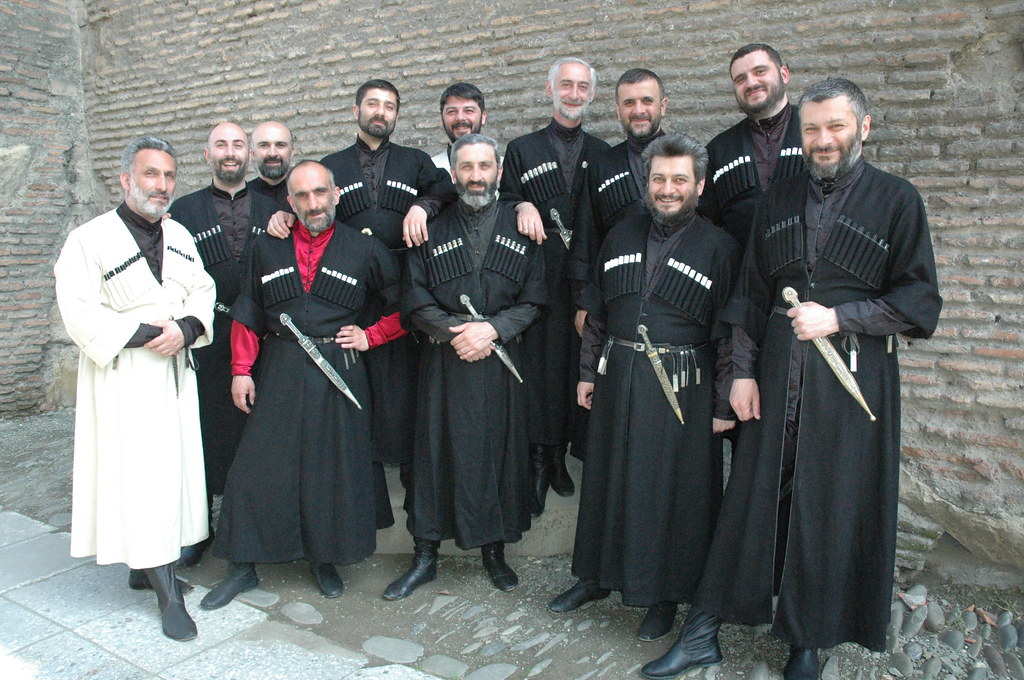
My friend Sebastian Pank recorded with the men from this choir the georgian polyphonic music in different areas. The CD subtiteled "A Georgian Travel". It is an amazing Double-CD with a great information.
Sebastian Punk lives near Leipzig. He made a journey trugh Georgia and published on his label "Raumklang" a fabolous Double-CD (146:28) about georgian music that he researched and recorded in different territories of Georgia about a few of years. "Georgian journey. Secular and spiritual vocal music" ist a great work!
edition waran - Neuheit im Juni 2005
Georgische Reise - Geistliche und weltliche Gesänge
Georgian journey - Secular and spiritual vocal music
Antchis Chati Chor (Tbilissi)
Tsinandali Chor (Telavi)
Drei alte Sänger (Gurien)
RK 2304 (2CD)
FILM: "The Genocide in Me," (54 min.) by Araz Artinian, and "My Son Shall Be Armenian," (81 min.) by Hagop Goudsouzian
The Passing of the Torch to Very Able Armenian Filmmakers
Who Tackle the Genocide Story Head On, Very Personally and Universally at the Same Time
Armenian News Network / Groong, December 13, 2005
By Bedros Afeyan
Immensely successful documentaries have been released on DVD, both from Montreal, Quebec, Canada where two Armenian film makers have chronicled very personal journeys into the Hell of the Past, stoked by the future, informed by the peaceful surroundings of the calm that is Canada itself. Two Armenian filmmakers who are the children of immigrants (as it happens Egyptian Armenian immigrants, like the rather more famous, Atom Egoyan, the maker of Ararat, before them) have taken the camera, faced their pasts and decided to chronicle their internal journeys of understanding and acceptance of the horrors of the Armenian Genocide perpetrated by the Ottoman Turks, its continual denial, and its unrelenting influence on generation upon generation of the Armenian progeny of the survivors.
"My Son Shall Be Armenian" (by Hagop Goudsouzian) and "The Genocide in Me" (by Araz Artinian) are two heroic efforts narrated in English and in French. Yet there is also pure Armenian heard in the trembling throats of nonagenarians in Armenia and in America, giving personal testimonies, recounting their frightful memories, their nightmares lived before the age of ten, their destinies uncertain and uprooted from rational reality, their outlook remarkable for all that. These survivors together with the witnesses to their stories, together with the loving cameras of these two filmmakers, sing the sad songs of a people brought to the steps of extinction almost a hundred years ago, yet vital and vigorous, if only in pockets, but challenging the odds, nevertheless, to stand up once again, in the shadow of Mount Ararat, on both sides of its splendor, dancing folk dances without the specter of a bloody scimitar or a barbaric war monger to shoe them away from their lands.
Goudsouzian has a dream, to let his son feel Armenian and know all that this entails. His stated goal in making this movie even, is to pass on his father's dreams and aspirations to his son, whom he has named Arudz, or Lion.
Artinian is scaling this mountain driven by a different mission. She is younger than Hagop and her father is a famous community activist in Montreal. Not only has he been the editor of the Horizon Armenian weekly newspaper, he is one of the founders of the Sourp Hagop (K-12) Armenian school. Her father is a political activist dedicated to the cause of the recognition of the Armenian Genocide, an intellectual, a writer, a community spokesman, a man who works as an architect by day and runs from meeting to meeting at night in the club house next to Sourp Hagop church in Montreal pursuing a community's needs tirelessly and selflessly. For a daughter growing up in a house with a missing dad more often than not, this has caused strains and tensions to develop. Neither Araz nor her mother approve of the extent to which Vrej Armen has given his life to the Armenian cause. "The Genocide in Me", is an attempt by Araz to come to grips with her father's obsession. To understand its origins and its validity, she spends four years interviewing survivors, visiting ancient Armenia, what is now known as Eastern Turkey, camera in hand, fresh out of film school, Araz mixes family photographs and 8 mm film with her own footage, interviewing her father, asking the tough questions and laying bare the reality of the burden this unfinished Genocide bears on the souls of Armenians today.
She is best at the panorama of details she is able to draw from every scene. For instance, she shows using an `in your face' element what it is like in Turkey today with false propaganda and convenient lies brewed with the sweet coffee and fake hospitality. The made up stories to justify the forced deportations and massacres are an outrage to hear. Yet they seem to satisfy the local tour guides. There is also Vrej Armen's reality back in Egypt, growing up as a boy, with a mother whose intense wish it was to address the calamity that had befallen her people. Her parents were married in 1915 in Egypt as the Armenian genocide itself began in earnest in Turkey. Vrej Armen takes this torch and brings it to Montreal as a young boy and fifty years later must submit to the critical eye of a talented, father-starved, intense daughter's scrutiny accompanied with the big absorbing eye of the camera which often reveals more than any subject would like to see exposed. Araz's work is authentic, dead serious, humorous and lyrical all at the same time. Araz is a documentary filmmaker par excellence. She loves her art form and excels at exploiting its inexhaustible nuances. Yet she has the conviction to turn the camera inward and let her dirty little secrets come out. Whether it is dating odars (non Armenians) or Turks even, or her self-doubt about her true identity and role in society, she lets it all hang out. The audience can judge for itself what aspects to identify with and which to ignore or dismiss. "The Genocide in Me" is the genuine article. It is neither exaggerated nor sugar coated. It is raw and alive with the pulsing heart of a young woman who believes in her artistic cause and its universal appeal. Here, Araz is brutally honest and extremely effective. You will love this 54 minute movie so make it a point to see it as soon as you can.
For more details visit the web site: http://www.twentyvoices.com/
Hagop Goudsouzian's work, "My Son Shall Be Armenian", is equally glorious in ambition and execution. Here you have a half dozen Montreal Armenians, ready to go to Der Zor and revisit where their ancestors where buried, in the Syrian desert, but at the last minute are banned from going! Syria feels uncomfortable with respect to its northern neighbor. Allowing filming and digging up of past realities should best be left undone... Goudsouzian decides to take his crew of young Armenian Canadians searching for answers to Armenia instead, in the dead of winter, and interview nonagenarian survivors of the Genocide and visit the cemeteries and villages they can, to see what the reality is for Armenians in Armenia on the ground today. This is a grand journey meticulously filmed and edited to bring out the humor and crises that the stories themselves contain. The men and women from Montreal who are at various stages of assimilation, having various levels of grasp over their identities, learn, see, observe, share and experience, together with the audience and the guiding voice of Goudsouzian always leading the way, always prodding the narrative forward from scene to scene, bedroom to bedroom, where broken ancient voices are the highlights. The scarred, wrinkled, warped faces of Genocide survivors and their Spartan memories, coming alive, as they explain and reason, wonder and curse, pray and hope that an end will be found to this national saga. The Francophone Montrealers learn and absorb these stories, the scenes in Armenia, the villages and the destitution, yet the triumph of the human spirit to survive, to go on... The nobility of the project is as clear as the silent smiles the young generation of truth seekers and the older, beaten down, yet proud witnesses to one of the most atrocious chapters of human history share across the camera's steady stare.
"My Son Shall Be Armenian" is humorous whenever our visitors come into contact with natives and whenever services are to be rendered. They search for ancestral names on tombstones with an urgency that belies the fact that finding what they are looking for is beyond the realm of the possible. And yet they fight through the snowy paths, hopeful, cheerful, buoyant. This `diaspora Armenian meets the native' picture is very delicately woven into the story of personal testimonials of nonagenarians and the constant voice-over commentary of the filmmaker who is ever so vigilant to steer you towards the right conclusion and the right observation. On the other hand, the half dozen Canadians along for the exploratory trip in Armenia are very compelling characters. They bring a youth and freshness to the continually evolving story of the Armenian diaspora, less isolated from the homeland by politics these days, but still culturally divided with many material and spiritual challenges left to overcome. More information about this 81 minute documentary including ways to obtain a copy can be found at http://www.nfb.ca/trouverunfilm/fichefilm.php?lg=en&id=51887
Odars and Armenians alike will see much of what makes up the Armenian character in these two movies. By their authenticity and documentary mastery, Goudsouzian and Artinian make Armenianness a reality. Our past and our present are beautifully intermixed and contextualized. Both films make our struggle for the future a little less difficult by showing us pathways and long arches of what is becoming of our world, what is possible and what seems inevitable. May future generations learn from these precious cries of the heart and take on the challenges facing the homeland and the diasoporan communities to survive and thrive as Armenian cocoons, incorruptible and undying like the grace of a crane, the aroma of an apricot, in the shadow of a series of medieval cross stones exuding the sounds of wedding feasts past, poured into the stone by history's forced marches, sworn to retell the tale again one day, when the stones themselves are returned to their rightful owners.
Araz's and Hagop's cameras show us these witness cross stones just long enough for us to begin to hear the messages hidden within the delicate lace carvings on their surfaces as if the grooves of ancient LP's to be spun to life, to life, to communal and colossal rebirths with time, with faith, with humor, and through rightful justice where man's inhumanity to man is replaced with remorse, repentance, reparations and eventual fraternal forgiveness.
--
Dr. Bedros Afeyan is a theoretical physicist who works and lives in the Bay area with his wife, Marine. He writes in Armenian and in English and also paints and sculpts. Samples of his work can be found on the web by clicking on his personal web pages at: http://208.177.152.139/
Source: Welcome to Groongthe Armenian News Network
A local filmmaker takes on a very personal subject in her latest documentary - by Salimah Shivji (montrealmagazine.ca)
An interview with Araz Artinian >>>
Who Tackle the Genocide Story Head On, Very Personally and Universally at the Same Time
Armenian News Network / Groong, December 13, 2005
By Bedros Afeyan
Immensely successful documentaries have been released on DVD, both from Montreal, Quebec, Canada where two Armenian film makers have chronicled very personal journeys into the Hell of the Past, stoked by the future, informed by the peaceful surroundings of the calm that is Canada itself. Two Armenian filmmakers who are the children of immigrants (as it happens Egyptian Armenian immigrants, like the rather more famous, Atom Egoyan, the maker of Ararat, before them) have taken the camera, faced their pasts and decided to chronicle their internal journeys of understanding and acceptance of the horrors of the Armenian Genocide perpetrated by the Ottoman Turks, its continual denial, and its unrelenting influence on generation upon generation of the Armenian progeny of the survivors.
"My Son Shall Be Armenian" (by Hagop Goudsouzian) and "The Genocide in Me" (by Araz Artinian) are two heroic efforts narrated in English and in French. Yet there is also pure Armenian heard in the trembling throats of nonagenarians in Armenia and in America, giving personal testimonies, recounting their frightful memories, their nightmares lived before the age of ten, their destinies uncertain and uprooted from rational reality, their outlook remarkable for all that. These survivors together with the witnesses to their stories, together with the loving cameras of these two filmmakers, sing the sad songs of a people brought to the steps of extinction almost a hundred years ago, yet vital and vigorous, if only in pockets, but challenging the odds, nevertheless, to stand up once again, in the shadow of Mount Ararat, on both sides of its splendor, dancing folk dances without the specter of a bloody scimitar or a barbaric war monger to shoe them away from their lands.
Goudsouzian has a dream, to let his son feel Armenian and know all that this entails. His stated goal in making this movie even, is to pass on his father's dreams and aspirations to his son, whom he has named Arudz, or Lion.
Artinian is scaling this mountain driven by a different mission. She is younger than Hagop and her father is a famous community activist in Montreal. Not only has he been the editor of the Horizon Armenian weekly newspaper, he is one of the founders of the Sourp Hagop (K-12) Armenian school. Her father is a political activist dedicated to the cause of the recognition of the Armenian Genocide, an intellectual, a writer, a community spokesman, a man who works as an architect by day and runs from meeting to meeting at night in the club house next to Sourp Hagop church in Montreal pursuing a community's needs tirelessly and selflessly. For a daughter growing up in a house with a missing dad more often than not, this has caused strains and tensions to develop. Neither Araz nor her mother approve of the extent to which Vrej Armen has given his life to the Armenian cause. "The Genocide in Me", is an attempt by Araz to come to grips with her father's obsession. To understand its origins and its validity, she spends four years interviewing survivors, visiting ancient Armenia, what is now known as Eastern Turkey, camera in hand, fresh out of film school, Araz mixes family photographs and 8 mm film with her own footage, interviewing her father, asking the tough questions and laying bare the reality of the burden this unfinished Genocide bears on the souls of Armenians today.
She is best at the panorama of details she is able to draw from every scene. For instance, she shows using an `in your face' element what it is like in Turkey today with false propaganda and convenient lies brewed with the sweet coffee and fake hospitality. The made up stories to justify the forced deportations and massacres are an outrage to hear. Yet they seem to satisfy the local tour guides. There is also Vrej Armen's reality back in Egypt, growing up as a boy, with a mother whose intense wish it was to address the calamity that had befallen her people. Her parents were married in 1915 in Egypt as the Armenian genocide itself began in earnest in Turkey. Vrej Armen takes this torch and brings it to Montreal as a young boy and fifty years later must submit to the critical eye of a talented, father-starved, intense daughter's scrutiny accompanied with the big absorbing eye of the camera which often reveals more than any subject would like to see exposed. Araz's work is authentic, dead serious, humorous and lyrical all at the same time. Araz is a documentary filmmaker par excellence. She loves her art form and excels at exploiting its inexhaustible nuances. Yet she has the conviction to turn the camera inward and let her dirty little secrets come out. Whether it is dating odars (non Armenians) or Turks even, or her self-doubt about her true identity and role in society, she lets it all hang out. The audience can judge for itself what aspects to identify with and which to ignore or dismiss. "The Genocide in Me" is the genuine article. It is neither exaggerated nor sugar coated. It is raw and alive with the pulsing heart of a young woman who believes in her artistic cause and its universal appeal. Here, Araz is brutally honest and extremely effective. You will love this 54 minute movie so make it a point to see it as soon as you can.
For more details visit the web site: http://www.twentyvoices.com/
Hagop Goudsouzian's work, "My Son Shall Be Armenian", is equally glorious in ambition and execution. Here you have a half dozen Montreal Armenians, ready to go to Der Zor and revisit where their ancestors where buried, in the Syrian desert, but at the last minute are banned from going! Syria feels uncomfortable with respect to its northern neighbor. Allowing filming and digging up of past realities should best be left undone... Goudsouzian decides to take his crew of young Armenian Canadians searching for answers to Armenia instead, in the dead of winter, and interview nonagenarian survivors of the Genocide and visit the cemeteries and villages they can, to see what the reality is for Armenians in Armenia on the ground today. This is a grand journey meticulously filmed and edited to bring out the humor and crises that the stories themselves contain. The men and women from Montreal who are at various stages of assimilation, having various levels of grasp over their identities, learn, see, observe, share and experience, together with the audience and the guiding voice of Goudsouzian always leading the way, always prodding the narrative forward from scene to scene, bedroom to bedroom, where broken ancient voices are the highlights. The scarred, wrinkled, warped faces of Genocide survivors and their Spartan memories, coming alive, as they explain and reason, wonder and curse, pray and hope that an end will be found to this national saga. The Francophone Montrealers learn and absorb these stories, the scenes in Armenia, the villages and the destitution, yet the triumph of the human spirit to survive, to go on... The nobility of the project is as clear as the silent smiles the young generation of truth seekers and the older, beaten down, yet proud witnesses to one of the most atrocious chapters of human history share across the camera's steady stare.
"My Son Shall Be Armenian" is humorous whenever our visitors come into contact with natives and whenever services are to be rendered. They search for ancestral names on tombstones with an urgency that belies the fact that finding what they are looking for is beyond the realm of the possible. And yet they fight through the snowy paths, hopeful, cheerful, buoyant. This `diaspora Armenian meets the native' picture is very delicately woven into the story of personal testimonials of nonagenarians and the constant voice-over commentary of the filmmaker who is ever so vigilant to steer you towards the right conclusion and the right observation. On the other hand, the half dozen Canadians along for the exploratory trip in Armenia are very compelling characters. They bring a youth and freshness to the continually evolving story of the Armenian diaspora, less isolated from the homeland by politics these days, but still culturally divided with many material and spiritual challenges left to overcome. More information about this 81 minute documentary including ways to obtain a copy can be found at http://www.nfb.ca/trouverunfilm/fichefilm.php?lg=en&id=51887
Odars and Armenians alike will see much of what makes up the Armenian character in these two movies. By their authenticity and documentary mastery, Goudsouzian and Artinian make Armenianness a reality. Our past and our present are beautifully intermixed and contextualized. Both films make our struggle for the future a little less difficult by showing us pathways and long arches of what is becoming of our world, what is possible and what seems inevitable. May future generations learn from these precious cries of the heart and take on the challenges facing the homeland and the diasoporan communities to survive and thrive as Armenian cocoons, incorruptible and undying like the grace of a crane, the aroma of an apricot, in the shadow of a series of medieval cross stones exuding the sounds of wedding feasts past, poured into the stone by history's forced marches, sworn to retell the tale again one day, when the stones themselves are returned to their rightful owners.
Araz's and Hagop's cameras show us these witness cross stones just long enough for us to begin to hear the messages hidden within the delicate lace carvings on their surfaces as if the grooves of ancient LP's to be spun to life, to life, to communal and colossal rebirths with time, with faith, with humor, and through rightful justice where man's inhumanity to man is replaced with remorse, repentance, reparations and eventual fraternal forgiveness.
--
Dr. Bedros Afeyan is a theoretical physicist who works and lives in the Bay area with his wife, Marine. He writes in Armenian and in English and also paints and sculpts. Samples of his work can be found on the web by clicking on his personal web pages at: http://208.177.152.139/
Source: Welcome to Groongthe Armenian News Network
A local filmmaker takes on a very personal subject in her latest documentary - by Salimah Shivji (montrealmagazine.ca)
An interview with Araz Artinian >>>
MUSIC: The Armenian Mariam Matossian Loves Her Culture In The Music From Her Grandmother And Additional She Has Respect For The World In Her Heart.
 Mariam Matossian is an example of the musical treasures that exist in the world next door. Vancouver born and raised, Mariam has been collecting traditional Armenian folk songs and creating her own melodies since she was a child, and initially, mainly singing these songs in her community. Most of the traditional songs that she sings have been passed down through her family - songs that were favourites of her grandmother and her mother, and now they have become her own favourites. With over ten years of training in classical voice, Mariam brings the range and control of a classical singer to the spontaneity and passion of the folk tradition and combines the two to produce a synthesis that has earned her rave reviews from everyone who has heard her.
In 1998, she travelled to Armenia, the first member of her family to set foot in the Homeland. She volunteered for an English language newspaper there and through that work, learned about the plight of the many street children. In 2002, she took a leave of absence from her teaching career to return to Armenia to work with these children. It was during this time that Mariam's passion for singing met her new commitment to bring attention to contemporary Armenia. When she returned to Vancouver, she continued to perform the songs she had learned from her family and songs she had learned in Armenia, including those taught to her by some of the children she had worked with in Yerevan. Those who heard her sing told her she needed to record. In 2004, Mariam released her first album, Far From Home (produced by Adam Popowitz) and began performing with her ensemble which includes accomplished musicians from the jazz and world music scene in Canada. Her debut recording has won rave reviews and has had airplay across Canada and in the United States. It was chosen as one of Echoes 25 Essential Albums for 2005 in the United States.
Mariam's interpretation of Groong/The Crane was featured in Araz Artinian's moving documentary, The Genocide in Me. Currently, Mariam has once again teamed with producer and musician, Adam Popowitz, to work on her second album, In the Light, which will be released in early 2007. And once again a group of amazing musicians that includes Elliot Polsky, Jesse Zubot, Gordon Grdina, Pepe Danza and others has come together to work with Mariam on this new project. Blessed with a beautiful voice and a natural stage presence, Mariam is sharing with the world at large her repertoire which includes her interpretations of the traditional folk songs of Armenia and her own new creations as she and her band are invited to perform at festivals and in concert halls across the country. And in this way, Mariam is delighted that her dream of sharing the beauty and richness of her beloved culture with a world audience is being fulfilled.
Mariam's band is comprised of a group of amazing world and jazz musicans from across North America. These musicians include Elliot Polsky (percussion), Gord Grdina (oud), Adam Popowitz (guitars, mandolin), Nick Apivor (vibraphone, percussion). She has also worked with Jesse Zubot (violin), John Berberian (oud), Francois Houle (clarinet), Ernie Tollar (woodwinds), Pepe Danza (woodwinds), Karen Kocharyan (percussion), Arvin Zaroukyan (bass), and Martin Haroutunian (duduk), among many others.
Many people have been asking where they can find her first album, Far From Home. The best way is to go to www.cdbaby.com/mariamm. Just click on the link and that will take you straight to the page for Far From Home and you can order it there.
A Review of Far From Home
Every so often, an Armenian album comes out of nowhere to impress the listener and leave them wondering, "Where the hell did this come from?" In the case of twentysomething year old schoolteacher Mariam Matossian, the answer is Vancouver, Canada. Far From Home is a collection of 10 Armenian folk songs spread over 13 tracks (the song "Groong" is sung three different times) sung in a very clear, measured, and ultimately sweet innocent style that captures the listener from her first breath. Matossian made the wise decision to work with multi-instrumentalist and producer Adam Popowitz (guitar, mandolin, bass) in creating a dreamlike and very contemporary sound that has an earthy Enya-like feel to the music. Classic songs such as "Shogher Jan" and "Hayastani Aghchigner" are turned upside down with the Popowitz guitar and mandolin arrangements giving Matossian room to wander and breathe new life into songs recorded countless times before. "Mayrigis" and "Hayrenik" are the heavy hitters on this album as the eclectically acoustic based folk band is in full swing with Matossian's supremely focused approach. At times, Matossian's voice seems as though it is as light as air in the beautifully arranged "Oror" and her "Groong" interludes. With Far From Home, Mariam Matossian brings back the element of innocence into the listener's consciousness. While other artists simply hack folk songs to make cash in this marketplace, Mariam Matossian makes you believe every work she is singing. Source: armenianmusicreview.blogspot.com >>>
WebSite: www.mariammatossian.com
MySpace: www.myspace.com/mariammatossian
Khntsori Zarin Dag (Under the Apple Tree), from Mariam Matossian's new album In the Light (2007) [available from www.cdbaby.com/mariamm2 ]. A traditional Armenian folk song, arranged by Mariam Matossian and Adam Popowitz. This love song has been sung in Mariam's family for generations. Mariam added two new verses which emphasize the singer's desire to be with her beloved.
World Discoveries
It's not often that an independent's album songs sounds as good or better than that produced on established record labels - and by 'independent', I mean self-produced; not a small label with fifty artists.
FAR FROM HOME is also unusual in that it's entirely Armenian folk songs, yet doesn't sound like any Armenian music I've ever heard before: previously all Armenian music we were familiar with were sacred chants or oud-dominated dance music known in the West as 'bellydance music'.
Most of our favorite oud players are Armenian so at first we were disappointed, as the guitar is used more than the oud on FAR FROM HOME, and the songs aren't for dancing - but the beauty of FAR FROM HOME shines through and easily overcomes any preset expectations.
Mariam Matossian has a beautiful voice and the original, clever arrangements set off her voice perfectly. Fans of India's Najma, Sheila Chandra, Vass, or Enya will be delighted with FAR FROM HOME's enchanting, professional and haunting vocal style.
Unlike some American and U.K. singers who have come up with a similar (but not exactly the same) sound, the language on FAR FROM HOME is real, and the lyrics hold deep meaning for those who understand the language.
Besides guitar, other non-Armenian instruments are blended in with some Armenian and Middle Eastern instruments: for instance, West African drums like the djembe, some synthesizer, and drum programming are also used - but only in subtle ways. They never get in the way of her voice, or spoil the mood.
I've listened to FAR FROM HOME four times through so far - and it just keeps getting better and better: an exceptional production and a 'must' for any serious collection of Armenian or Middle Eastern music.
Source >>>


SKIING: Uncharted territory: Skiing in Georgia With Hans Saari Memorial Fund
By Alison Levy, Powdermag, July 2008
photos >>>
The Hans Saari Memorial Fund (HSMF) was created to honor the life of Hans Saari, a young mountaineer who lost his life in a skiing accident in 2001. The fund's mission: "Is to foster an appreciation for skiing and its personal challenges, alpine environments, and mountain cultures by promoting ski exploration and education." (hansfund.org)
A native of Washington State, 27-year-old Jason Thompson skied for the first time at age 12 and when he moved to Bozeman, Montana, for college, he traded in soccer cleats for ski boots. With the help of the Hans Saari Memorial Fund, Thompson and his ski pals, Seth Waterfall and Tyler Jones, traveled beyond the mountains of Montana to explore relatively unknown ski terrain. With its western edge along the Black Sea, Georgia is nestled between Turkey (southwest), Armenia (south), Azerbaijan (southeast), and Russia (north). Home to the Caucasus Mountains and slightly smaller than South Carolina, Georgia binds Eastern Europe and Western Asia and is not typically a ski destination. Instead, it is better known for a history of political strife and economic and cultural struggles. Jason, Seth, and Tyler honored Saari and the goals of the fund by traveling to Georgia's highest peak, 17,063-foot Mount Shkhara, to explore mountain cultures and "promote ski exploration and education."
POWDER: How did you hear about the Hans Saari Memorial Fund?
Jason Thompson: I knew about Hans and what he was doing with Alex Lowe and Kris Erickson while I was living in Bozeman prior to his death. I still remember the day when I heard about Hans' accident. I never had the opportunity to meet him. I guess I first heard about the fund when calling the avalanche center every morning for the report since the fund would sponsor reports.
P: What pushed you to apply for the fund?
JT: I wanted to experience a new culture and I wanted to go skiing. I figured that there would be a lot of folks applying for this grant; grants for skiing are hard to come by. It is a privilege to have received this grant in honor of Hans.
P: Why did you decide to ski in Georgia’s Caucasus Mountains of all places?
JT: I started looking in the Caucasus on the Russian side, but was curious about Georgia, especially when I couldn't find any information about it. I was intrigued. I saw that Mt. Shkhara was in Georgia; I googled it and found a stunning image - an image that says, "These two couloirs are here to be skied." I looked at maps to locate the nearest town or village; I found Ushguli. The more research and time I spent, the more fascinated I became with the history of the region and culture. Skiing where no one else has and to see fascinating history and people all along the way, that's when I knew I wanted to travel to Georgia.
P: Where in the country were you and how long was the trip?
JT: We left Seattle on May 16 and returned June 7. We flew from Seattle to Amsterdam and then into Tbilisi, the Capitol of Georgia. From Tbilisi we drove around 14 to 15 hours to Ushguli, which is at the base of Mount Shkhara, in the Central Caucasus Range. We spent a total of 15 days on Mount Shkhara.
P: Georgia has struggled economically and politically in the past with its ties to the former Soviet Union. Did you feel any tension within the country or among the people?
JT: We felt completely safe our entire trip and very welcomed. Georgians want to welcome guests and make them feel at home - specifically, the Svans, where we spent most of our time. We ate and drank with them until we couldn't do it any more. Many people didn't realize that we were from the States; they would guess Sweden or Germany and many times we had to tell them. Then they were very excited to meet us.
P: What surprised you most when you got to Georgia?
JT: They love Tupac in Georgia. We had just left our hotel beginning our drive to Ushguli. We stopped at a stoplight and a BMW pulled up next to us. Tupac's lyrics filled the air with a loud bass line. Messages to Tupac were written on bus stop stations. It seemed like there was a large discrepancy between the poor and rich, especially once you get out of Tbilisi, the capitol. The techno-dance parties in Tbilisi were an experience.
P: What was the hardest part of the trip?
JT: We had five and a half days of bad weather. It was tough. Sitting in our tent beginning to wonder if we were going to be able to ski anymore. But we were awarded with some great ski conditions after the long wait.
P: What was one of the best parts of the trip?
JT: Being able to ski on Georgian snow. To climb and ski some of our main objectives got us really jazzed. On our return to Ushguli, our host family welcomed us with excitement celebrating with us. As I sat next to the fire, happy to be inside warm and dry as it rained outside, Seth and Tyler sat across from me. Our host dad Temrez, his wife, and his uncle looked over my shoulder viewing some video footage and images. I think it was then that they were able to grasp what we were trying to do.
P: Was the skiing similar to anything or anywhere else you have skied before?
JT: It was a very unique region to ski; we only experienced one very small zone of a large mountain range. On our drive into Ushguli, we were in the forest, where all the trees were green and there was plenty of water. But then you break out above treeline around 6,000 feet and see steep hillsides - probably beautiful meadows in the summer time. Around 11,000 feet, the terrain becomes very steep and rocky. The terrain reminded me of a mix between Chamonix, the Pacific Northwest and a little of Alaska.
P: How, if at all, has this experience changed the way you look at life and skiing?
JT: I remember on our drive into Ushguli, we had stopped for a quick break and our driver asked me about what type of skis I used. He didn't speak English, so with hand motions and gestures, we discussed skinny skis, shaped skis and fat skis. Most of the folks had no concept of what we were trying to do while we were there. Skiing offers a great opportunity to travel and experience new cultures. Skiing and climbing, often times are self-centered acts, but they always open the door to give back. Skiing also forges friendships, and being in the mountains keeps you humble and gives you perspective.
P: Any final words?
JT: We want to thank the HSMF for the opportunity. We want to thank Hans for his passion and enthusiasm for mountain cultures and getting others excited about skiing. He used his skis to paint his emotions on a canvas, and his life will live on because of that. Thanks to everyone that helped make this trip happen: Smith Optics, Organic Valley Farms, Sterling Ropes, Clif Bar, and many others along the way. Thanks to Merab, our interpreter, for showing us his beautiful country and the people. This fall we will be promoting the HSMF and the Svaneti Mountaineering Tourism Center (SvanetiProject.com)
 Photo 11. September 2007 von Susan Astray
photos >>>
The Hans Saari Memorial Fund (HSMF) was created to honor the life of Hans Saari, a young mountaineer who lost his life in a skiing accident in 2001. The fund's mission: "Is to foster an appreciation for skiing and its personal challenges, alpine environments, and mountain cultures by promoting ski exploration and education." (hansfund.org)
A native of Washington State, 27-year-old Jason Thompson skied for the first time at age 12 and when he moved to Bozeman, Montana, for college, he traded in soccer cleats for ski boots. With the help of the Hans Saari Memorial Fund, Thompson and his ski pals, Seth Waterfall and Tyler Jones, traveled beyond the mountains of Montana to explore relatively unknown ski terrain. With its western edge along the Black Sea, Georgia is nestled between Turkey (southwest), Armenia (south), Azerbaijan (southeast), and Russia (north). Home to the Caucasus Mountains and slightly smaller than South Carolina, Georgia binds Eastern Europe and Western Asia and is not typically a ski destination. Instead, it is better known for a history of political strife and economic and cultural struggles. Jason, Seth, and Tyler honored Saari and the goals of the fund by traveling to Georgia's highest peak, 17,063-foot Mount Shkhara, to explore mountain cultures and "promote ski exploration and education."
POWDER: How did you hear about the Hans Saari Memorial Fund?
Jason Thompson: I knew about Hans and what he was doing with Alex Lowe and Kris Erickson while I was living in Bozeman prior to his death. I still remember the day when I heard about Hans' accident. I never had the opportunity to meet him. I guess I first heard about the fund when calling the avalanche center every morning for the report since the fund would sponsor reports.
P: What pushed you to apply for the fund?
JT: I wanted to experience a new culture and I wanted to go skiing. I figured that there would be a lot of folks applying for this grant; grants for skiing are hard to come by. It is a privilege to have received this grant in honor of Hans.
P: Why did you decide to ski in Georgia’s Caucasus Mountains of all places?
JT: I started looking in the Caucasus on the Russian side, but was curious about Georgia, especially when I couldn't find any information about it. I was intrigued. I saw that Mt. Shkhara was in Georgia; I googled it and found a stunning image - an image that says, "These two couloirs are here to be skied." I looked at maps to locate the nearest town or village; I found Ushguli. The more research and time I spent, the more fascinated I became with the history of the region and culture. Skiing where no one else has and to see fascinating history and people all along the way, that's when I knew I wanted to travel to Georgia.
P: Where in the country were you and how long was the trip?
JT: We left Seattle on May 16 and returned June 7. We flew from Seattle to Amsterdam and then into Tbilisi, the Capitol of Georgia. From Tbilisi we drove around 14 to 15 hours to Ushguli, which is at the base of Mount Shkhara, in the Central Caucasus Range. We spent a total of 15 days on Mount Shkhara.
P: Georgia has struggled economically and politically in the past with its ties to the former Soviet Union. Did you feel any tension within the country or among the people?
JT: We felt completely safe our entire trip and very welcomed. Georgians want to welcome guests and make them feel at home - specifically, the Svans, where we spent most of our time. We ate and drank with them until we couldn't do it any more. Many people didn't realize that we were from the States; they would guess Sweden or Germany and many times we had to tell them. Then they were very excited to meet us.
P: What surprised you most when you got to Georgia?
JT: They love Tupac in Georgia. We had just left our hotel beginning our drive to Ushguli. We stopped at a stoplight and a BMW pulled up next to us. Tupac's lyrics filled the air with a loud bass line. Messages to Tupac were written on bus stop stations. It seemed like there was a large discrepancy between the poor and rich, especially once you get out of Tbilisi, the capitol. The techno-dance parties in Tbilisi were an experience.
P: What was the hardest part of the trip?
JT: We had five and a half days of bad weather. It was tough. Sitting in our tent beginning to wonder if we were going to be able to ski anymore. But we were awarded with some great ski conditions after the long wait.
P: What was one of the best parts of the trip?
JT: Being able to ski on Georgian snow. To climb and ski some of our main objectives got us really jazzed. On our return to Ushguli, our host family welcomed us with excitement celebrating with us. As I sat next to the fire, happy to be inside warm and dry as it rained outside, Seth and Tyler sat across from me. Our host dad Temrez, his wife, and his uncle looked over my shoulder viewing some video footage and images. I think it was then that they were able to grasp what we were trying to do.
P: Was the skiing similar to anything or anywhere else you have skied before?
JT: It was a very unique region to ski; we only experienced one very small zone of a large mountain range. On our drive into Ushguli, we were in the forest, where all the trees were green and there was plenty of water. But then you break out above treeline around 6,000 feet and see steep hillsides - probably beautiful meadows in the summer time. Around 11,000 feet, the terrain becomes very steep and rocky. The terrain reminded me of a mix between Chamonix, the Pacific Northwest and a little of Alaska.
P: How, if at all, has this experience changed the way you look at life and skiing?
JT: I remember on our drive into Ushguli, we had stopped for a quick break and our driver asked me about what type of skis I used. He didn't speak English, so with hand motions and gestures, we discussed skinny skis, shaped skis and fat skis. Most of the folks had no concept of what we were trying to do while we were there. Skiing offers a great opportunity to travel and experience new cultures. Skiing and climbing, often times are self-centered acts, but they always open the door to give back. Skiing also forges friendships, and being in the mountains keeps you humble and gives you perspective.
P: Any final words?
JT: We want to thank the HSMF for the opportunity. We want to thank Hans for his passion and enthusiasm for mountain cultures and getting others excited about skiing. He used his skis to paint his emotions on a canvas, and his life will live on because of that. Thanks to everyone that helped make this trip happen: Smith Optics, Organic Valley Farms, Sterling Ropes, Clif Bar, and many others along the way. Thanks to Merab, our interpreter, for showing us his beautiful country and the people. This fall we will be promoting the HSMF and the Svaneti Mountaineering Tourism Center (SvanetiProject.com)
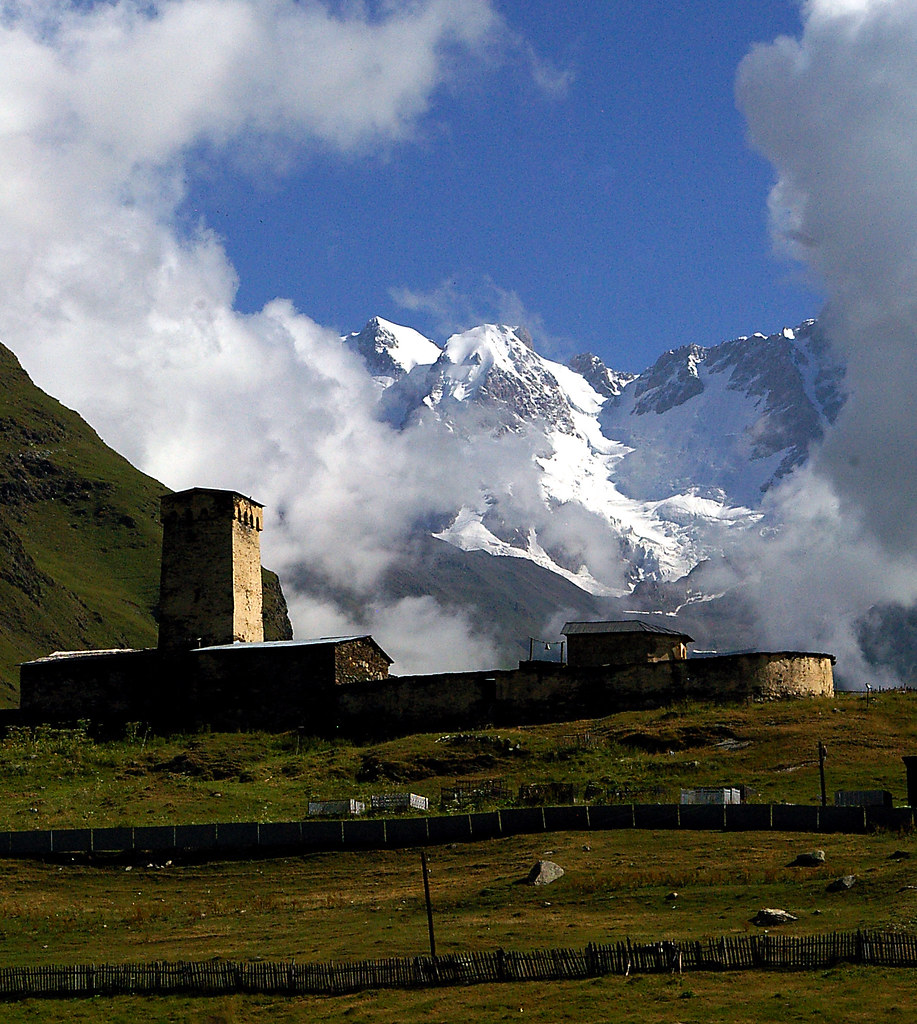 Photo 11. September 2007 von Susan Astray
Svaneti (Album)
NEWS: Georgia News Digest 07-18-08
A service of the Georgian Foundation for Strategic and International Studies
Attached PDF file easily navigable with Bookmarks pane
Archives and associated files at groups.google.com/group/genewsfiles (from February 2008) and groups.google.com/group/genews (before February 2008)
German Abkhazia plan
1. video: Can Germany reconcile Georgia and Abkhazia?
2. Germany moves into Georgia-Russia dispute
3. German FM to visit Georgia for talks, to meet Abkhazian leaders
4. Germany calls for gradual Abkhazian settlement
5. Germany the latest to step into Georgian-Abkhaz Fray
6. Steinmeier in Georgia calls for end to "spiral of violence"
7. video: Germany to unveil Georgian plan
8. German foreign minister in Georgia, Abkhazia
9. Germany seeks to kick-start Georgian Abkhaz peace talks
10. Group of Friends' visits to Abkhazia seek conflict resolution
11. Georgia pokes holes in German peace plan
12. Saakashvili on situation around Abkhazia in light of German settlement plan
13. Georgia says non-violence pact with Abkhazia unnecessary
14. Georgia not intend to use force in settling conflicts
15. Direct Georgian-Abkhaz talks needed
16. Georgia seeks to return refugees to Abkhazia
17. Speaker slams Lavrov’s remarks on IDP return
18. Official says German plan on Abkhazia needs "reinforcement"
19. Abkhaz foreign minister gives mixed review of international proposal to resolve conflict with Georgia
20. Abkhaz foreign minister spells out conditions for discussing German plan
21. Senior separatist official on Germany's plan for conflict settlement
22. Georgia-Abkhazia accord can’t be linked with refugee return
23. Russia on German-proposed Abkhaz plan
24. Treaty on IDP return to Abkhazia unreal for now
25. Russia says West is blocking UN resolution on Georgia peace deal
Foreign relations and conflicts
26. Restless neighbors: A Georgian-Abkhaz dialogue
27. Russia's cautious change [excerpt]
28. Vicious circle
29. Brave Georgians fled
30. Russian human rights activists warn about possible armed conflict with Georgia
31. Medvedev unveils little new in Russia’s foreign-policy course [excerpt]
32. Russian NGOs, academics, urge Moscow to show restraint
33. Tiny Georgia is of no significance to US interests
34. Senior Russian, U.S. officials discuss conflicts
35. What kinds of indications US Secretary of State made
36. Defusing a time bomb
37. Russian military exercise part of "aggressive policy"
38. Russia and Georgia exchange exercises
39. Abkhazia opens mission in Transdnestr
40. Explosion in Sokhumi
41. Tskhinvali accuses Georgian side of the plummeted subscription rates
Business and economics
42. Parliament approved amendments to the state budget 2008
43. Parliament approved amendments to the tax code
44. Amendments to the Law of Georgia Concerning Budgetary System approved in Parliament
45. Issue of plastic cards totaled 2,9 million
46. TV and Radio broadcasting has become profitable
47. Baku-Tbilisi-Ceyhan oil pipeline passes 400 million barrel milestone
48. Georgian airway company rejects rumors on being purchased by Azerbaijani Airlines (AZAL)
49. Epic Elite VLJ now the fastest gun in the west!
50. Poultry production high
51. Bank of Georgia heads to Belarus and beyond
52. Electronic communications market turnover GEL 1.1 bln
Misc.
53. International Russian-Georgian Poetry festival opens in Tbilisi
54. Opposition slams ruling party reaction to ombudsman’s report
55. Parliament dismisses ombudsman’s human rights report
56. Targamadze against Tkeshelashvili
57. Otar Koberidze in a new role
58. Prisoner died in Kutaisi hospital
59. Mtskheta-Mtianeti residents will get insurance polices
60. Uncharted territory: Skiing in Georgia With Hans Saari Memorial Fund
Jonathan Kulick, Ph.D., Director of Studies, Georgian Foundation for Strategic and International Studies, 3a Chitadze, Tbilisi 0108, Georgia (Republic), jonathan.kulick@gfsis.org, office: +995 32 47 35 55, mobile: +995 95 33 33 40, USA voicemail: 310.928.6814
Attached PDF file easily navigable with Bookmarks pane
Archives and associated files at groups.google.com/group/genewsfiles (from February 2008) and groups.google.com/group/genews (before February 2008)
German Abkhazia plan
1. video: Can Germany reconcile Georgia and Abkhazia?
2. Germany moves into Georgia-Russia dispute
3. German FM to visit Georgia for talks, to meet Abkhazian leaders
4. Germany calls for gradual Abkhazian settlement
5. Germany the latest to step into Georgian-Abkhaz Fray
6. Steinmeier in Georgia calls for end to "spiral of violence"
7. video: Germany to unveil Georgian plan
8. German foreign minister in Georgia, Abkhazia
9. Germany seeks to kick-start Georgian Abkhaz peace talks
10. Group of Friends' visits to Abkhazia seek conflict resolution
11. Georgia pokes holes in German peace plan
12. Saakashvili on situation around Abkhazia in light of German settlement plan
13. Georgia says non-violence pact with Abkhazia unnecessary
14. Georgia not intend to use force in settling conflicts
15. Direct Georgian-Abkhaz talks needed
16. Georgia seeks to return refugees to Abkhazia
17. Speaker slams Lavrov’s remarks on IDP return
18. Official says German plan on Abkhazia needs "reinforcement"
19. Abkhaz foreign minister gives mixed review of international proposal to resolve conflict with Georgia
20. Abkhaz foreign minister spells out conditions for discussing German plan
21. Senior separatist official on Germany's plan for conflict settlement
22. Georgia-Abkhazia accord can’t be linked with refugee return
23. Russia on German-proposed Abkhaz plan
24. Treaty on IDP return to Abkhazia unreal for now
25. Russia says West is blocking UN resolution on Georgia peace deal
Foreign relations and conflicts
26. Restless neighbors: A Georgian-Abkhaz dialogue
27. Russia's cautious change [excerpt]
28. Vicious circle
29. Brave Georgians fled
30. Russian human rights activists warn about possible armed conflict with Georgia
31. Medvedev unveils little new in Russia’s foreign-policy course [excerpt]
32. Russian NGOs, academics, urge Moscow to show restraint
33. Tiny Georgia is of no significance to US interests
34. Senior Russian, U.S. officials discuss conflicts
35. What kinds of indications US Secretary of State made
36. Defusing a time bomb
37. Russian military exercise part of "aggressive policy"
38. Russia and Georgia exchange exercises
39. Abkhazia opens mission in Transdnestr
40. Explosion in Sokhumi
41. Tskhinvali accuses Georgian side of the plummeted subscription rates
Business and economics
42. Parliament approved amendments to the state budget 2008
43. Parliament approved amendments to the tax code
44. Amendments to the Law of Georgia Concerning Budgetary System approved in Parliament
45. Issue of plastic cards totaled 2,9 million
46. TV and Radio broadcasting has become profitable
47. Baku-Tbilisi-Ceyhan oil pipeline passes 400 million barrel milestone
48. Georgian airway company rejects rumors on being purchased by Azerbaijani Airlines (AZAL)
49. Epic Elite VLJ now the fastest gun in the west!
50. Poultry production high
51. Bank of Georgia heads to Belarus and beyond
52. Electronic communications market turnover GEL 1.1 bln
Misc.
53. International Russian-Georgian Poetry festival opens in Tbilisi
54. Opposition slams ruling party reaction to ombudsman’s report
55. Parliament dismisses ombudsman’s human rights report
56. Targamadze against Tkeshelashvili
57. Otar Koberidze in a new role
58. Prisoner died in Kutaisi hospital
59. Mtskheta-Mtianeti residents will get insurance polices
60. Uncharted territory: Skiing in Georgia With Hans Saari Memorial Fund
Jonathan Kulick, Ph.D., Director of Studies, Georgian Foundation for Strategic and International Studies, 3a Chitadze, Tbilisi 0108, Georgia (Republic), jonathan.kulick@gfsis.org, office: +995 32 47 35 55, mobile: +995 95 33 33 40, USA voicemail: 310.928.6814
KARABACH: Kultur Aktiv präsentiert: ROCK4PEACE 2008
Kultur Aktiv präsentiert: ROCK4PEACE 2008
Vernissage: Spots aus Nagorny Karabach, Jugendkultur in Stepanakert
Kurzfilm: Rock4Peace 2007: Zen Zebra (Leipzig) auf Tour in der Bergrepublik
Podiumsdiskussion: Jugendkultur in Karabach unter den aktuellen politischen Umständen
21.07.2008 Reisekneipe - Dresden, 19:00
23.07.2008 Steinhaus - Bautzen, 18:00
24.07.2008 VillaKeller - Leipzig, 19:00
25.07.2008 Alte Brauerei - Annaberg, 20:00
26.07.2008 Vierradenmühle - Görlitz, 18:00
Eintritt kostenlos!!!
Letzte Woche gabs keinen Nuuslätta, wir haben ja auch oft ganz geheime Veranstaltungen, die niemand niemals nicht wissen darf! Zum Beispiel letzte Woche haben wir mit amerikanischen Geldern dem Imperialismus seinen Siegeszug nach Minsk geebnet, jaja solche sind wir!!! McDonalds und Deutsche Bank waren aber leider irgendwie schneller, die Story endete dann bissel wie bei Hase und Igel... Mit dem kleinen Unterschied, dass unterwegs beim angeblich unzertrennlichen Zwillingspaar Marktwirtschaft & Demokratie die Demokratie verloren ging. Wahrscheinlich in Polen, sicher geklaut, denn erst seit kurzem haben die Polen wieder bissel mehr Demokratie. Der Metaphysikus aller Belarussen hat in seiner berühmten Weitsicht derweil die Durchsuchung sämtlicher Minsker Haushalte angeordnet
(Quelle: http://www.democraticbelarus.
Ob er die Demokratie dabei findet ist völlig offen, weil niemand weiß, ob er sie überhaupt sucht...
Und weil Kultur und Politik so spannend sein können, haben wir ein sehr heißes Thema für Euch vorbereitet: Nagorny Karabach. Die Jüngeren unter Euch sollten spätestens jetzt schonmal nebenbei GoogleEarth öffnen. Den Älteren sei versichert, dass wir bewusst ein anderes Format gewählt haben, als den aserbaischanischen Botschafter mit seinem armenischen Amtskollegen in einer Podiumsdiskussion aufeinander loszulassen, wobei üblicherweise nicht nur Wort-Fetzen fliegen, sondern Euch zeigen möchten, wie sich der Streit derart Gelehrter auf das tagtägliche Leben von Jugendlichen niederschlägt. Die Ungewissheit ob des schwelenden Konfliktes, Resignation angesichts der wirtschaftlichen Lage oder doch Aufbruchstimmung und Freude? Wir haben eine Fotoausstellung, Dokumentarfilme und Experten für Eure Fragen!
Die Leipziger Band ZenZebra reiste letztes Jahr mit uns nach Karabach und gab als erste ausländische Band ein umjubeltes Konzert, Ihr könnt mitreisen in einem lustigen kleinen Filmchen... Zu gewinnen gibts Antworten auf Eure Fragen und jede Menge Neuigkeiten aus einem fast vergessenen Zipfel Erde.
Rock4Peace!
Euer Mirko Sennewald
Friday, July 18, 2008
Georgia News Digest 07-17-08
A service of the Georgian Foundation for Strategic and International Studies
Attached PDF file easily navigable with Bookmarks pane
Archives and associated files at groups.google.com/group/genewsfiles (from February 2008) and groups.google.com/group/genews (before February 2008)
Foreign relations and conflicts
1. German FM to visit Russia, Georgia over Abkhazia
2. Tbilisi pins hopes on German plan to resolve Abkhaz conflict
3. Russian, German Foreign Ministers Discuss Abkhazia
4. Kouchner to visit Georgia in September
5. FM to discuss NATO integration matters in France
6. US, NATO ‘troubled’ by Russian flyover
7. Burjanadze and Rice meetings ‘very significant’ for Georgia’s future
8. Estonian parlt's Georgia group condemns Russian actions
9. Friends of Georgia
10. EU special representative to visit Tskhinvali Wednesday
11. Georgia protests Russian military drills in North Caucasus
12. Georgia urges Russia to stop "aggressive policy"
13. Backing Georgia
14. Georgia to assess fines on telecom companies operating in breakaway regions
15. The Kremlin's Tibet
16. Crossfire war
17. Georgia’s joining NATO to cause geopolitical division
18. Medvedev unveils little new in Russia’s foreign-policy course [excerpt]
19. Georgian ambassador to Russia will attend parliamentary committee session
20. Russian human rights NGOs release address
Abkhazia
21. Russian military denies transferring air assault troops to Abkhazia
22. Russia is planning to invade Kodori in the near future
23. Abkhazia cannot pursue joint projects with Georgia over lack of confidence
24. Legislators from Abkhazia visit Chechnya
25. Tbilisi calls for withdrawal of Russian peacekeepers from Abkhazia
26. Georgia, Abkhazia should commit themselves not to use force – Lavrov
27. Abkhazia shrugs off Georgia's move to punish telecom companies
28. Georgian side unveiled itself in 21 May Khurcha incident
South Ossetia
29. Separatist official on breakaway region's future
30. Separatists want to attend UN Security Council session
31. Separatist official accuses Georgia of rejecting peace talks
32. Kokoity insists on S. Ossetia's participation in UN Security Council session on July 21
Politics and government
33. New laws say no state financing for six opposition parties
34. Is Burjanadze’s democratic development NGO a springboard for her future presidency?
35. Neither Nino Burjanadze nor Irakli Okruashvili will be opposition leaders
36. Who do you trust?
Misc.
37. Kakheti regional administration conceals public information from the local newspaper
38. Facts of restriction on freedom of speech still come about in Georgia
39. Rumored merger heightens concern about press freedom
40. CIS chief prosecutors to meet in Tbilisi
41. Maestro TV license hearing postponed
42. Market vendors against street vendors in Zugdidi
43. Georgian citizens to begin facing juries of peers: Is Georgia ready for a jury system?
44. Ministry halts renovations for historical church
45. Turkish Government, WFP Provide flour to eastern food-for-work participants
46. Basis Bank provides cheap loans to students going abroad
Jonathan Kulick, Ph.D., Director of Studies, Georgian Foundation for Strategic and International Studies, 3a Chitadze, Tbilisi 0108, Georgia (Republic), jonathan.kulick@gfsis.org, office: +995 32 47 35 55, mobile: +995 95 33 33 40, USA voicemail: 310.928.6814
Attached PDF file easily navigable with Bookmarks pane
Archives and associated files at groups.google.com/group/genewsfiles (from February 2008) and groups.google.com/group/genews (before February 2008)
Foreign relations and conflicts
1. German FM to visit Russia, Georgia over Abkhazia
2. Tbilisi pins hopes on German plan to resolve Abkhaz conflict
3. Russian, German Foreign Ministers Discuss Abkhazia
4. Kouchner to visit Georgia in September
5. FM to discuss NATO integration matters in France
6. US, NATO ‘troubled’ by Russian flyover
7. Burjanadze and Rice meetings ‘very significant’ for Georgia’s future
8. Estonian parlt's Georgia group condemns Russian actions
9. Friends of Georgia
10. EU special representative to visit Tskhinvali Wednesday
11. Georgia protests Russian military drills in North Caucasus
12. Georgia urges Russia to stop "aggressive policy"
13. Backing Georgia
14. Georgia to assess fines on telecom companies operating in breakaway regions
15. The Kremlin's Tibet
16. Crossfire war
17. Georgia’s joining NATO to cause geopolitical division
18. Medvedev unveils little new in Russia’s foreign-policy course [excerpt]
19. Georgian ambassador to Russia will attend parliamentary committee session
20. Russian human rights NGOs release address
Abkhazia
21. Russian military denies transferring air assault troops to Abkhazia
22. Russia is planning to invade Kodori in the near future
23. Abkhazia cannot pursue joint projects with Georgia over lack of confidence
24. Legislators from Abkhazia visit Chechnya
25. Tbilisi calls for withdrawal of Russian peacekeepers from Abkhazia
26. Georgia, Abkhazia should commit themselves not to use force – Lavrov
27. Abkhazia shrugs off Georgia's move to punish telecom companies
28. Georgian side unveiled itself in 21 May Khurcha incident
South Ossetia
29. Separatist official on breakaway region's future
30. Separatists want to attend UN Security Council session
31. Separatist official accuses Georgia of rejecting peace talks
32. Kokoity insists on S. Ossetia's participation in UN Security Council session on July 21
Politics and government
33. New laws say no state financing for six opposition parties
34. Is Burjanadze’s democratic development NGO a springboard for her future presidency?
35. Neither Nino Burjanadze nor Irakli Okruashvili will be opposition leaders
36. Who do you trust?
Misc.
37. Kakheti regional administration conceals public information from the local newspaper
38. Facts of restriction on freedom of speech still come about in Georgia
39. Rumored merger heightens concern about press freedom
40. CIS chief prosecutors to meet in Tbilisi
41. Maestro TV license hearing postponed
42. Market vendors against street vendors in Zugdidi
43. Georgian citizens to begin facing juries of peers: Is Georgia ready for a jury system?
44. Ministry halts renovations for historical church
45. Turkish Government, WFP Provide flour to eastern food-for-work participants
46. Basis Bank provides cheap loans to students going abroad
Jonathan Kulick, Ph.D., Director of Studies, Georgian Foundation for Strategic and International Studies, 3a Chitadze, Tbilisi 0108, Georgia (Republic), jonathan.kulick@gfsis.org, office: +995 32 47 35 55, mobile: +995 95 33 33 40, USA voicemail: 310.928.6814
Wednesday, July 16, 2008
NEWS: Georgia News Digest 07-16-08
A service of the Georgian Foundation for Strategic and International Studies
Attached PDF file easily navigable with Bookmarks pane
Archives and associated files at groups.google.com/group/genewsfiles (from February 2008) and groups.google.com/group/genews (before February 2008)
Foreign relations and conflicts
1. Escalation of violence in South Ossetia and Abkhazia
2. U.S. questions Russia’s peacekeeper role
3. U.S. criticizes Russia over violation of Georgia's airspace
4. Polish president responded to current situation in Georgia
5. Estonian MEP suggests deploying EU police mission to Georgia
6. Kouchner says he`s ready to visit Georgia
7. NATO aspirations "no threat for Russia"
8. NATO questions Russia’s peacekeeper role
9. Kissinger, NATO and Russia
10. Spokesman for Russia-Belarus Union State: Georgia can join the Union State as well
11. Smallest spark could start war in Georgia regions
12. A war waiting to happen
13. Russia’s foreign policy concept paper: Moscow against Georgia in NATO
14. Russian military confirm elite paratroopers moved to Georgia border
15. Russia ready for UN Security Council session
16. Russia, U.S. simultaneously launched exercises in Caucasus
17. US troops train in Georgia amid tensions
18. U.S., Georgia start joint drills near Tbilisi
19. Comments by Georgian Foreign Ministry
20. Stand up to Russia over Georgia
21. Georgian ambassador to Russia summoned at parliament
22. Recalled envoy briefs MPs on domestic political situation in Russia
Abkhazia
23. Peace plan for Abkhazia
24. Abkhaz speaker rules out Western-proposed joint projects with Georgia
25. Abkhaz leader rejects ‘German plan’
26. Russian, German foreign ministers discuss Abkhazia
27. EU ready to foster dialogue between Sukhumi-Tbilisi
28. Contested Caucasus
29. Pullout from Upper Kodori vital for Abkhaz settlement
30. Russia is going to capture Kodori Gorge
31. Russian officials visit Sokhumi
32. Abkhazia's civilians, caught between two machine guns
33. Abkhazia press summary 1-14 July 08
34. Water shortages reported in Tskhinvali
Government and politics
35. Parliament votes to increase army ranks over "threats"
36. Parliament unanimously enlarges armed forces' size
37. Georgia increases troops, budget for military
38. Budgetary amendments approved
39. New Ambassador to Lithuania approved
40. Gamsakhurdia ditches opposition bloc, calls it fake opposition
41. Six opposition parties denied state funding
42. Opposition disapproves Natelashvili as their leader
43. Members of Labor Party called upon journalists to strike
44. Parliament finally opens ombudsman’s report, but could be too little too late
45. New head of state audit agency appointed
Media
46. Parliament approved Otar Koberidze as member of GPB Board of Trustees
47. Parliamentary committee withdrew Maestro TV-related documents from GNCC
48. Why couldn’t community radios gain foothold in Georgia?
49. Government targets Kavkasia and terrorism of business continues
50. Media crackdown means ordinary citizens are hostages of Georgian Government
Misc.
51. A view from a Kobuleti court house
52. Woman poisoned on April 9, 1989 seeks medical assistance for cancer
53. Prosecutor’s Office stands behind “guilty as charged” verdict
54. Georgian School of the XXI Century threatens health of future generation
55. Only King Solomon can understand Sighnaghi district budget calculations
56. Will there be “shorter holidays” for staff of nursery schools, or not?
57. Giorgi Amiranashvili- A framed political prisoner
58. Khochabeki – A waterless settlement in Samtskhe-Javakheti
59. “Optimus!” Euphemism for cutting nursery schools and human resources
60. Ketilari’s villager fighting over land plots and broken promises
61. Will Tbilisi City Hall permit yet another ugly building in Tbilisi center?
62. Dangerous land slip on Tbilisi-Senaki-Leselidze main highway destroys road sections
63. Investigation over cutting-down of prime Borjomi plateau forest opened
64. Members of fellowship might be deprived of residential building
65. Subscribers paid bills and electricity still cut-off
66. New water-pipes contaminate drinking water in Khidistavi
67. Protester’s mouths tied shut
68. Association of Georgian Attorneys considers Levan Patarkalishvili sentenced as illegal imprisonment
69. Private properties are still harassed in Sighnaghi after elections
70. Georgia turns to the west for ideas
71. book review: I was a teenage revolutionary
72. Georgian youth voices
73. Baku and Tbilisi agreed on WTO
74. Repatriation of Meskhetian Turks still a divisive issue
75. Direct air service on routes Tbilisi - Sochi - Rostov-on-Don launched
Research
76. paper: Living with non-recognition: State- and nation-building in South Caucasian quasi-states
77. paper: Para-States in the post-Soviet area from 1991 to 2007
78. paper: The politics of identity in post-Soviet Abkhazia: Managing diversity and unresolved conflict
79. paper: New Europe and its neo-regionalism: A working case of the ‘Community of Democratic Choice’
80. paper: The problem of lasting change: Civil society and the colored revolutions in Georgia and Ukraine
81. paper: Exporting civil society: The Post-communist experience
82. paper: Filling the void: Ethnic politics and nationalities policy in post-conflict Georgia
83. paper: Resolution through democracy promotion? The role of the OSCE in Georgia conflict resolution
84. paper: Russian in post-Soviet countries
85. paper: The rise and fall and revival of the Ibero‑Caucasian hypothesis
86. paper: The International School Psychology Survey: Data from Georgia, Switzerland and the UAE
87. paper: “Going Native” in the Caucasus: Problems of Russian identity 1801–64
88. paper: Sharing the same blood – culture and cuisine in the Republic of Georgia
Healthcare
89. Palliative medical treatment in Georgia
90. Never-ending saga of “flogged off” - transferred hospitals: Will the Government hold its ground?
91. paper: Improving quality of care: A model for educating emergency rooms nurses in the country of Georgia
92. paper: Cost impact of modernizing delivery care in the Republic of Georgia: Assessment of delivery costs
93. paper: Women’s sexual and reproductive health in post-socialist Georgia: Does internal displacement matter?
94. paper: Shaping women's reproductive decisions: The case of Georgia
95. paper: Postsocialist spores: Disease, bodies, and the state in the Republic of Georgia
96. paper: Human resources for health challenges of public health system reform in Georgia
97. paper: An evaluation of the initial impact of the Medical Assistance Program for the Poor in Georgia
Jonathan Kulick, Ph.D., Director of Studies, Georgian Foundation for Strategic and International Studies, 3a Chitadze, Tbilisi 0108, Georgia (Republic), jonathan.kulick@gfsis.org, office: +995 32 47 35 55, mobile: +995 95 33 33 40, USA voicemail: 310.928.6814
Attached PDF file easily navigable with Bookmarks pane
Archives and associated files at groups.google.com/group/genewsfiles (from February 2008) and groups.google.com/group/genews (before February 2008)
Foreign relations and conflicts
1. Escalation of violence in South Ossetia and Abkhazia
2. U.S. questions Russia’s peacekeeper role
3. U.S. criticizes Russia over violation of Georgia's airspace
4. Polish president responded to current situation in Georgia
5. Estonian MEP suggests deploying EU police mission to Georgia
6. Kouchner says he`s ready to visit Georgia
7. NATO aspirations "no threat for Russia"
8. NATO questions Russia’s peacekeeper role
9. Kissinger, NATO and Russia
10. Spokesman for Russia-Belarus Union State: Georgia can join the Union State as well
11. Smallest spark could start war in Georgia regions
12. A war waiting to happen
13. Russia’s foreign policy concept paper: Moscow against Georgia in NATO
14. Russian military confirm elite paratroopers moved to Georgia border
15. Russia ready for UN Security Council session
16. Russia, U.S. simultaneously launched exercises in Caucasus
17. US troops train in Georgia amid tensions
18. U.S., Georgia start joint drills near Tbilisi
19. Comments by Georgian Foreign Ministry
20. Stand up to Russia over Georgia
21. Georgian ambassador to Russia summoned at parliament
22. Recalled envoy briefs MPs on domestic political situation in Russia
Abkhazia
23. Peace plan for Abkhazia
24. Abkhaz speaker rules out Western-proposed joint projects with Georgia
25. Abkhaz leader rejects ‘German plan’
26. Russian, German foreign ministers discuss Abkhazia
27. EU ready to foster dialogue between Sukhumi-Tbilisi
28. Contested Caucasus
29. Pullout from Upper Kodori vital for Abkhaz settlement
30. Russia is going to capture Kodori Gorge
31. Russian officials visit Sokhumi
32. Abkhazia's civilians, caught between two machine guns
33. Abkhazia press summary 1-14 July 08
34. Water shortages reported in Tskhinvali
Government and politics
35. Parliament votes to increase army ranks over "threats"
36. Parliament unanimously enlarges armed forces' size
37. Georgia increases troops, budget for military
38. Budgetary amendments approved
39. New Ambassador to Lithuania approved
40. Gamsakhurdia ditches opposition bloc, calls it fake opposition
41. Six opposition parties denied state funding
42. Opposition disapproves Natelashvili as their leader
43. Members of Labor Party called upon journalists to strike
44. Parliament finally opens ombudsman’s report, but could be too little too late
45. New head of state audit agency appointed
Media
46. Parliament approved Otar Koberidze as member of GPB Board of Trustees
47. Parliamentary committee withdrew Maestro TV-related documents from GNCC
48. Why couldn’t community radios gain foothold in Georgia?
49. Government targets Kavkasia and terrorism of business continues
50. Media crackdown means ordinary citizens are hostages of Georgian Government
Misc.
51. A view from a Kobuleti court house
52. Woman poisoned on April 9, 1989 seeks medical assistance for cancer
53. Prosecutor’s Office stands behind “guilty as charged” verdict
54. Georgian School of the XXI Century threatens health of future generation
55. Only King Solomon can understand Sighnaghi district budget calculations
56. Will there be “shorter holidays” for staff of nursery schools, or not?
57. Giorgi Amiranashvili- A framed political prisoner
58. Khochabeki – A waterless settlement in Samtskhe-Javakheti
59. “Optimus!” Euphemism for cutting nursery schools and human resources
60. Ketilari’s villager fighting over land plots and broken promises
61. Will Tbilisi City Hall permit yet another ugly building in Tbilisi center?
62. Dangerous land slip on Tbilisi-Senaki-Leselidze main highway destroys road sections
63. Investigation over cutting-down of prime Borjomi plateau forest opened
64. Members of fellowship might be deprived of residential building
65. Subscribers paid bills and electricity still cut-off
66. New water-pipes contaminate drinking water in Khidistavi
67. Protester’s mouths tied shut
68. Association of Georgian Attorneys considers Levan Patarkalishvili sentenced as illegal imprisonment
69. Private properties are still harassed in Sighnaghi after elections
70. Georgia turns to the west for ideas
71. book review: I was a teenage revolutionary
72. Georgian youth voices
73. Baku and Tbilisi agreed on WTO
74. Repatriation of Meskhetian Turks still a divisive issue
75. Direct air service on routes Tbilisi - Sochi - Rostov-on-Don launched
Research
76. paper: Living with non-recognition: State- and nation-building in South Caucasian quasi-states
77. paper: Para-States in the post-Soviet area from 1991 to 2007
78. paper: The politics of identity in post-Soviet Abkhazia: Managing diversity and unresolved conflict
79. paper: New Europe and its neo-regionalism: A working case of the ‘Community of Democratic Choice’
80. paper: The problem of lasting change: Civil society and the colored revolutions in Georgia and Ukraine
81. paper: Exporting civil society: The Post-communist experience
82. paper: Filling the void: Ethnic politics and nationalities policy in post-conflict Georgia
83. paper: Resolution through democracy promotion? The role of the OSCE in Georgia conflict resolution
84. paper: Russian in post-Soviet countries
85. paper: The rise and fall and revival of the Ibero‑Caucasian hypothesis
86. paper: The International School Psychology Survey: Data from Georgia, Switzerland and the UAE
87. paper: “Going Native” in the Caucasus: Problems of Russian identity 1801–64
88. paper: Sharing the same blood – culture and cuisine in the Republic of Georgia
Healthcare
89. Palliative medical treatment in Georgia
90. Never-ending saga of “flogged off” - transferred hospitals: Will the Government hold its ground?
91. paper: Improving quality of care: A model for educating emergency rooms nurses in the country of Georgia
92. paper: Cost impact of modernizing delivery care in the Republic of Georgia: Assessment of delivery costs
93. paper: Women’s sexual and reproductive health in post-socialist Georgia: Does internal displacement matter?
94. paper: Shaping women's reproductive decisions: The case of Georgia
95. paper: Postsocialist spores: Disease, bodies, and the state in the Republic of Georgia
96. paper: Human resources for health challenges of public health system reform in Georgia
97. paper: An evaluation of the initial impact of the Medical Assistance Program for the Poor in Georgia
Jonathan Kulick, Ph.D., Director of Studies, Georgian Foundation for Strategic and International Studies, 3a Chitadze, Tbilisi 0108, Georgia (Republic), jonathan.kulick@gfsis.org, office: +995 32 47 35 55, mobile: +995 95 33 33 40, USA voicemail: 310.928.6814
REPORTAGE: Ingo Petz unternimmt nicht nur eine Nabelschau am Schwarzen Meer ... auch das Kaspische Meer hat es ihm angetan.
Krim-Halbinsel: Die ästhetische Achse der Welt
Publiziert am 16 Juli 2008 von Krusenstern
Sewastopol * Die Krim-Halbinsel ist die ästhetische Achse der Welt. “Hier stapelt sich die Geschichte vieler Völker meterhoch. Aber im Moment ist jeder damit beschäftigt, seine eigene Wahrheit freizuschaufeln – und den Dreck auf die anderen zu verteilen”, glaubt mit Andrej Poljakow einer der bedeutendsten, russischsprachigen Dichter der Gegenwart. Eine Reportage mit Stimmen bekannter Autoren von Ingo Petz.
Der ganze Text >>>
Dieser Beitrag beruht u.a. auf folgenden Quellen: Mit freundlicher Genehmigung von Ingo Petz, Erstpublikation 11. Juli 2008 in der Süddeutschen Zeitung.
Personalities: Ingo Petz studierte Osteuropäische Geschichte, Slawistik und Politikwissenschaft in Köln und Russland. Er lebt als freier Autor und Journalist in Berlin und schreibt vor allem über Osteuropa, insbesondere über Belarus. Unter anderem arbeitet Petz für die Süddeutsche Zeitung in München und Der Standard in Wien.
 Sein erstes Buch (Hörprobe: klick auf das Bild!)
“Kuckucksuhren in Baku - Reise in ein Land, das es wirklich gibt” veröffentlichte er 2006. Im November erscheint sein neues Buch “Kiwi Paradise - Reise in ein verdammt gelassenes Land”.
Mehr Infos über Ingo Petz.
sowie Neal Ascherson, Andrej Poljakow * Андрей Генна́диевич Поляков, Igor Sid * Игорь Снд, Andrei Bitow * Андрей Георгиевич Битов, Maximilian Woloschin * Максимилиан Александрович Волошин, Juri Andruchowytsch * Юрій Ігоревич Андрухович, Serhij Zhadan, Mykola Rjabtschuk, Izmet Sheikh-Zadeh.
Mehr Links:
IngoPetz Homepage
reiseliteratu/bildbände - Kuckucksuhren in Baku
Ingo Petz - Kuckucksuhren in Baku - Random House Audio
Publiziert am 16 Juli 2008 von Krusenstern
Sewastopol * Die Krim-Halbinsel ist die ästhetische Achse der Welt. “Hier stapelt sich die Geschichte vieler Völker meterhoch. Aber im Moment ist jeder damit beschäftigt, seine eigene Wahrheit freizuschaufeln – und den Dreck auf die anderen zu verteilen”, glaubt mit Andrej Poljakow einer der bedeutendsten, russischsprachigen Dichter der Gegenwart. Eine Reportage mit Stimmen bekannter Autoren von Ingo Petz.
Der ganze Text >>>
Dieser Beitrag beruht u.a. auf folgenden Quellen: Mit freundlicher Genehmigung von Ingo Petz, Erstpublikation 11. Juli 2008 in der Süddeutschen Zeitung.
Personalities: Ingo Petz studierte Osteuropäische Geschichte, Slawistik und Politikwissenschaft in Köln und Russland. Er lebt als freier Autor und Journalist in Berlin und schreibt vor allem über Osteuropa, insbesondere über Belarus. Unter anderem arbeitet Petz für die Süddeutsche Zeitung in München und Der Standard in Wien.
Sein erstes Buch (Hörprobe: klick auf das Bild!)“Kuckucksuhren in Baku - Reise in ein Land, das es wirklich gibt” veröffentlichte er 2006. Im November erscheint sein neues Buch “Kiwi Paradise - Reise in ein verdammt gelassenes Land”.
Mehr Infos über Ingo Petz.
sowie Neal Ascherson, Andrej Poljakow * Андрей Генна́диевич Поляков, Igor Sid * Игорь Снд, Andrei Bitow * Андрей Георгиевич Битов, Maximilian Woloschin * Максимилиан Александрович Волошин, Juri Andruchowytsch * Юрій Ігоревич Андрухович, Serhij Zhadan, Mykola Rjabtschuk, Izmet Sheikh-Zadeh.
Copyrights: © Fotos: Jürg Vollmer / Krusenstern und Wikipedia.
Mehr Links:
IngoPetz Homepage
reiseliteratu/bildbände - Kuckucksuhren in Baku
Ingo Petz - Kuckucksuhren in Baku - Random House Audio
Subscribe to:
Posts (Atom)