Showing posts with label Tusheti. Show all posts

Tuesday, May 09, 2023

Tuschetien: Spendenaktion für die Verbindung abgelegener Dörfer

Gemeinsam können wir dazu beitragen, die straßenlosen Dörfer von Tuschetien wiederzubeleben. Tuschetien ist ein besonderer Ort, wo die Landschaft und die Menschen eine einzigartige Umgebung schaffen. Obwohl die Dörfer eine erstaunliche Architektur haben, gibt es immer noch keine Straßen. Die Bewohner von Tuschetien kämpfen jedoch jeden Tag darum, das Leben aufrechtzuerhalten, auch wenn es schwierige Bedingungen erfordert. Sie betreiben traditionelle Schaf- und Rinderzucht und bewahren die wertvollen Werte unseres Landes.

Der Bau der Straßen wird mit staatlichen Mitteln finanziert, aber um das Projekt zu starten, ist ein Projekt in Höhe von 40.000 GEL erforderlich, dessen Finanzierung seit Jahren nicht möglich ist. Die topografische Zeichnung der Straße wird aktuell erstellt, gefolgt von einer geologischen Untersuchung, die für Oktober dieses Jahres geplant ist. Das Straßenprojekt wird in Übereinstimmung mit allen erforderlichen Standards vorbereitet, die mit den offiziellen Parteien vereinbart wurden.

Wenn Sie die Schönheit von Tuschetien und die Bedeutung dieser Gegend und ihrer Menschen für unser Land schätzen, schließen Sie sich bitte der vom "Georgian Culture and Tourism Resources Research Center" initiierten Spendenaktion an! Jeder Cent fließt in die Arbeit des Straßenbauprojekts und jede Unterstützung hilft dem einzigartigen Tuschetien!

Was denkst du darüber? Einerseits hilft es der einheimischen Bevölkerung, das Leben in den Dörfern wirtschaftlich aufrechtzuerhalten, anderserseits gibt es dann auf diese wunderbare Naturlandschaft einen erheblichen Investitionsdruck ... Auch der Massen-Tourismus könnte dem Gebiet erheblich zusetzen. 

Kontonummer: GE23BG0000000525421654

Name des Kontos: für die Dörfer der Ivanurti-Gemeinde in Tuschetien Empfänger: Ana Imedashvili

Wir sind bereit, Sie für weitere Informationen zu kontaktieren! Bei Fragen zum Projekt wenden Sie sich bitte an Irakli Rainauli unter 555 106 045. Um das Projekt finanziell zu unterstützen, wenden Sie sich bitte an Ana Imedashvili unter 599 116 118.

Wednesday, October 28, 2020

VIDEO: Leben anderswo: Georgien - Die Hüter des Kaukasus. Von Sibylle D'Orgeval (ARTE-Doku, Frankreich 2020)


[arte.tv] In Tuschetien, einer abgelegenen Bergregion Georgiens, lebt ein Hirtenvolk. Im Winter bleibt nur eine Handvoll von ihnen hoch oben im Gebirge und harrt dort abgeschnitten vom Rest der Welt bis zum Frühjahr aus. Der Fotograf Grégoire Eloy verbringt einen Winter mit ihnen, um die ganz besondere Stimmung dieser Region einzufangen und ihre Geschichte besser kennenzulernen.

Der französische Fotograf Grégoire Eloy [facebook] konzentriert sich seit einigen Jahren auf die Länder der ehemaligen Sowjetunion, vor allem Georgien, wo er das Leben von Flüchtlingen der Südkaukasus-Konflikte dokumentiert hat. Anlässlich dieser neuen Reise nach Georgien beleuchtet er eine andere Facette des Landes und interessiert sich für seine entferntesten Bergregionen, in denen die Menschen weitab von der "modernen" Gesellschaft in enger Symbiose mit der Natur leben. Im Nordkaukasus, an der Grenze zu Dagestan und Tschetschenien, liegt Tuschetien. In dieser Gegend, die das halbe Jahr über abgeschnitten ist, weil der Zufahrtsweg über einen im Winter nicht passierbaren 3.000 Meter hohen Pass führt, lebt das Hirtenvolk der Tuschen. Die meisten von ihnen verbringen den Winter im Tal, doch einige bleiben das ganze Jahr über in der Höhe. Sie lassen sich von Mitte Oktober bis Mai in ihren Dörfern "einschließen" und führen damit die altüberlieferte Lebensweise dieses zähen Bergvolkes fort. Um diese "Unbeugbaren" zu treffen, fährt Grégoire kurz vor Schließung der Passstraße im Oktober nach Tuschetien. Unterwegs begegnet er Hirten, die ihre Herden auf die Winterweiden treiben. Er reist zu Fuß und zu Pferd, um ein Gefühl für die Entfernungen und das Klima zu bekommen und die Atmosphäre der Region auf sich wirken zu lassen. Nach der Ankunft in Tuschetien sucht er in den Dörfern jene auf, die bleiben. Er will ihre Verwurzelung erspüren und die Geschichte dieser in den Augen der Georgier mythischen Region verstehen. Mit seinen Fotografien zeichnet er ein poetisches Porträt jener weitgehend naturbelassenen Region und der wenigen Tuschen, die im Winter hier leben.

Friday, September 06, 2019

REISESPLITTER: Vitamin Q in Georgien. Bei den tuschetischen Hirten. Von Philipp Ammon #ReiseKnowHowGeorgien

Ich reite einen elfjährigen Wallach, der auf den Namen Gledscho hört. Es ist einKabardiner mit Sprenkelungen. Ins braune Fell sind schon einige graue Haare eingestreut. Kennen Pferde eigentlich Asrael, den Engel des Todes? In einer nordkaukasischen Erzählung will Asrael einen Menschen für das Jenseits abholen. Der zum Tode ausgewählte bittet um Nachsicht und Aufschub und den Engel darum, sich beim nächsten Mal doch vorher anzukündigen. Als der Engel wieder unangekündigt erscheint, wirft der Mensch dem Engel vor, nicht gewarnt worden zu sein. Der Engel jedoch antwortet: "Der Tod, mein Freund, wird durch das graue Haar angekündigt". Gledscho wird noch ein langes Leben haben, denn Pferde sind vom Totengericht ausgenommen.

Der ganze Text mit mehr Bildern vom Autor: reise-know-how.de

Thursday, April 12, 2018

VIDEO: The Pankisi Stigma - documentary film. via @RFERL


Locals of Pankisi are sick and tired of asserting they are not terrorists. The dwellers of the small Georgian gorge bordering Russia believe that the stigma dates back to the late XX c., the time of Moscow’s wars in Chechnya, the so-called "boeviks" (militants) and criminals. They also say that it was largely due to Russia’s influence that the place has become a kind of international "brand" for terrorism. In their words, it’s a hindrance to the development of the region since both the businesses and tourists stay away. Against the backdrop of the ISIS activities and certain reported facts, which sometimes raise unanswered questions, the stigma grows stronger. For all the differences about the customs and heated arguments, both fervent supporters of the traditional Islam and Islamic fundamentalists are at one where the security of the gorge is concerned. According to some sources, the Salafite community of the Islamic fundamentalists, often referred to as Vahabites account for 30%-35% of Pankisi’s total Muslim population while others say they make up as much as 75%-80%. Young people form the majority of the Salafites, and it was the radical Salafites who recruited people to fight in Syria a few years ago. The community members claim they feel sidelined by the State. Regardless of their religious beliefs, the Kists (Chechens residing in Georgia) point out at their closer involvement in the public affairs as the pre-requisite of their safety. The population, mostly the Kists of the small Georgian gorge of the Akhmeta municipality Kakheti region, is reportedly as small as 6000-7000.

Thursday, January 25, 2018

PHOTOGRAPHY: About Dmitry Gomberg - The Shepard's Way (On the way to the mountains in Tusheti) - Featured on LensCulture [lensculture.com]

(lensculture.com) Working, traveling and living of the shepherds in Tusheti, a historic region in northeast Georgia. Traditionally, the Tushs are sheep herders.Tushetian cheese and high quality wool was famous and was exported to Europe and Russia. Even today sheep and cattle breeding is the leading branch of the economy of highland Tusheti. The local shepherds spend the summer months in the highland areas of Tusheti but live in the lowland villages of Zemo Alvani and Kvemo Alvani in wintertime.

About Dmitry Gomberg,
Voor five years, I stayed in the mountains of the Caucasus and documented the lives of the local shepherds. These people have cheesemakers since long before the birth of Christ. The life that I discovered was simple and hard.

Was born in Moscow in 1980. Moved to New York in 2000. After changing many jobs and professions, got into photography in 2005. Went to the ICP, finished one-year course in documentary. Soon after the ICP moved to the Republic of Georgia where was introduced to the life of high mountain shepherds in Tusheti. Stayed with them for 5 years. All this resulted in hundreds of photographs and a dream to make a book.

This is a story about the life of the shepherds and the route they take in the mountains twice a year.

I After the death of my companions, (the shepherds had given me for this entire period) decided to stop.

-Dmitry Gomberg


Interview:

Because of its seemingly documentary photographs, Dmitry Gomberg mixes real life with dreams, in an attempt to show the varied responsibilities of the camera. Assistant editor Alexander Strecker crossed via e-mail to find out his story.

I was born in the Soviet Union. For a Soviet person, the Caucasus and the area around the Black Sea is a kind of heaven. Once I had moved to New York, I met a group of amazing Georgians. As Steinbeck wrote: "If one tried to describe Georgia using a single word, the correct word would surely be hospitality." I was with these words in my head, can not resist the repeated invitations to their country.

When I arrived, the father of a friend told me about a pass in the mountains, where the Tusheti shepherds go. I found his story and wanted to see these people with my own eyes. I was introduced to Vazha Kaadze, the man who was my guide and mentor.

In the beginning, some of the pastors do not like me taking pictures of them. But I got their trust. She started to call me "American Shepherd." For five years, I visited many miles with Vazha and his crew. I came to a lifestyle that I had never seen understand.

The biggest challenge I faced in making this project was not to get drunk all the time. I am on this, it completely failed. But seriously, I did not really miss when I was there. Some good coffee, a nice lady perhaps? What really gave me joy was nature: the wind, the stars and the horses. Even today, I still dream about.

In terms of photography, this project taught me two things. First, the photography is very simple; all you need is curiosity, some technical skill and luck. Secondly, people believe pictures more than words. But in my pictures, I show both a reality and my own dreams. I hope people realize that photography is much more than an objective document of the world. I hope these pictures can help you share that point.

-Dmitry Gomberg, as told to Alexander Strecker


dmitrygomberg.com


On the way to the mountains © Dmitry Gomberg. On the way to the mountains [lensculture.com]
Over five years, we follow in the footsteps of shepherds in the Caucasus mountains: simple, harsh, beautiful. [lensculture.com]
Georgia. 2008 [lensculture.com]

Saturday, October 07, 2017

VIDEO: Trio Devlira, Chechen music from Pankisi.

Trio Devlira: Mariam and Markha from Pankisi and Yannick from France.

The Chechen and Tush moods of DEVLIRA are women's love songs for men, men for women, songs of mountain and animals, songs of Sufi trance.

The Chechen repertoire is a happy mix of oriental music, walks of the bards of the Caucasus, from the Slavic melancholy to the rhythm of the Mongolian rides!

The Tush repertoire come from this small isolated area of Georgia, in the heart of the great Caucasus, between Chechnya and Daghestan.

Mariam Machalikashvili: singing, Balalaïka
Malka Machalikashvili: singing, Garmon, Balalaïka
Yannick Loyer: singing, tambour


more Songs: sounddmafia.audio/play/devlira-shenma-survilma-damlia-georgian-song

Sunday, June 25, 2017

PODCAST: Hochgebirge in Georgien. Tuschetiens heilige Orte. Von Lottemi Doormann via @DLF

(deutschlandfunk.de) Majestätische Bergwelten, archaische Volksfeste: Im östlichsten Zipfel Georgiens führt der auf 3000 Metern gelegene Abanopass zu den abgeschiedenen Bergdörfern Tuschetiens. Heidnische Traditionen sind hier weit verbreitet: Auch heute noch opfern die Bewohner ihren Halbgöttern.

Podcast zum Hören: Tuschetiens heilige Orte. Von Lottemi Doormann


Cattle Drive in Tusheti 2010 (Caucasian Mountains in Georgia)

Mouseover for the Gallery


Auszüge aus dem Feature: Als Suliko ein Baby von drei Monaten war, ist sein Onkel mit ihm über den fast 3000 Meter hohen Abanopass nach Tuschetien geritten. Im Dorf Alvani am Fuße des Großen Kaukasus war der Reiter aufgebrochen, um den Winzling zu seiner Oma ins tuschetische Dorf Iliurta zu bringen. Das war 1978. Damals gab es die unbefestigte Straße noch nicht, auf der wir jetzt mit Fahrer Suliko im Allrad-Geländewagen zum Abanopass unterwegs sind. Die gefährliche Strecke ist der einzige Zugang zu den abgeschiedenen Bergdörfern Tuschetiens, einer der ursprünglichsten Regionen im äußersten Nordosten Georgiens.

[...] Beim Abendessen berichtet Tamuna Latsabidze (Reiseleiterin), unsere georgische Reisebegleiterin, über das traditionelle Leben der Tuschen: Die Tuschen haben ein gewisses Nomadentum hier schon immer gehabt.

[...] "Die ältesten Wehrtürme Tuschetiens sollen schon im 12. bis 13. Jahrhundert entstanden sein. In einem der hohen Wohnwehrtürme von Omalo hat ein Bewohner des Dorfes namens Nugsar Idoidse vor ein paar Jahren ein ethnografisches Museum geschaffen. Wir müssen uns bücken, um den Turm zu betreten."

"Der Eingang ist extra so niedrig, damit, wenn Fremde oder wenn Feinde einfallen würden, sie mussten sich verbeugen, sie konnten nicht aufrecht gehen, da sind sie in der Position gewesen, dass sie nicht schießen konnten. Außerdem ist es eigentlich so’n bisschen Demut - Demut vor dem Türengel, das ist der Beschützer des Hauses."

Drinnen führen grobe Holzstufen aufwärts und durch ein Deckenloch in die "Schua", den Wohnraum für die ganze Familie. Früher gab es nur eine Hühnerleiter, die man bei Gefahr schnell hochziehen konnte, und eine Klappe, mit der das Loch verschlossen wurde.

"Das ist die Männerecke. Und das ist die Frauenecke - hier, wo die Küchenecke ist und wirtschaftliche Sachen. Das ist jetzt so eine ganz typische Konstruktion von Lagerfeuer im Haus, wo man gekocht hat. Das ist zum Butter machen, also stampfen, Butterfass. Das ist eine Wiege, die man aber aufgehängt hat. Das ist zum Beispiel für Bier, wenn man Bier gebraut hat. Bier hat man ja nur zu feierlichen Anlässen gebraut, für diese Dorffeste. Hier gab es ja keinen Wein. Und das war eigentlich das Getränk."

In der Abgeschiedenheit dieses Tales entwickelten die einst dort lebenden Tsova-Tuschen ihre eigene Sprache. Doch schon lange haben sie das Dorf Tsaro verlassen.

Wir wandern zu den steil am Hang liegenden Ruinen, verfallenen Häusern und Türmen aus übereinander geschichteten Schiefersteinen. Tamuna berichtet, dass in diesem Dorf Kranke aus Angst vor Ansteckung mit etwas Nahrung in ein abgelegenes Haus geschickt wurden und dort verhungerten. Schwangere mussten ihr Kind allein gebären und durften erst 40 Tage nach der Geburt in die Gemeinschaft zurückkehren. Viele Mütter und Babys haben das nicht überlebt. Ob das Dorf daran zugrunde ging? Oder an Epidemien? Inmitten der Landschaft sind überall Reste archaischer Türme zu sehen, Zeichen einer mystischen Welt, durch die manchmal eine Horde weißer wilder Hunde streift.

Mindestens zehn bewohnte Dörfer gibt es noch in Tuschetien. Eines davon ist das düstere Dochu, dessen Häuser sich auf einer Bergspitze und einem schwindelerregend steilen Hang eng aneinanderdrängen.

"Um das achte, neunte Jahrhundert haben die Tuschen gezwungenermaßen das Christentum angenommen - 500 Jahre später als im übrigen Georgien. Doch richtige Christen sind sie nicht geworden. Bis heute sind heidnische Traditionen und der Glaube an Naturgeister weit verbreitet. Es gibt nur ein, zwei kleine Kirchen in Tuschetien. Gebetet wird an heiligen Plätzen, an Nischen und Steinhaufen, "khati" genannt, wo sie ihrem Halbgott Kopala Opfer bringen. Frauen dürfen sich diesen Plätzen nicht nähern, geschweige denn etwas berühren. Von diesem Kopala hat der Heilige Georg, christlicher Schutzpatron Georgiens, ein paar Funktionen übernommen. Tamuna sagt: "Auch dem Heiligen Georg opfert man Schafe - das darf der Heilige Georg gar nicht wissen."

Als die Perser im 17. Jahrhundert in Kachetien einfielen, sollen die tollkühnen Kämpfer der Tuschen dem kachetischen König geholfen haben, sie zu vertreiben. Zum Dank gestattete man ihnen, die Alazani-Ebene unten im Tal als Winterweide zu nutzen. Später, nachdem Georgien 1801 von Russland annektiert worden war, erbaten die Tuschen die Erlaubnis, dort im Winter auch zu leben. So blieb es bis in die 50er Jahre des letzten Jahrhunderts - im Sommer oben, im Winter unten.

Doch dann wollten die Sowjets, dass die Bergbevölkerung unten sesshaft wird.

"Also die Sowjets, die fanden das zu mühsam, es war einfach zu abgelegen und zu schwierig hier, die sowjetische Struktur einzubringen. Also haben sie die Leute gezwungen, nach unten überzusiedeln. Das hat man da unten ganz gezielt gewollt. Unten gab es Krankenhäuser, Schulpflicht, den Fortschritt, oben gab es nichts, nicht mal eine Straße. Also sie haben auf alles verzichten müssen, was man unten schon an Fortschritt hatte. So sind sowohl Tuschetien als auch Chewsuretien, die benachbarte Region, leer geworden."

Erst Ende der 70er Jahre kam der Umschwung, in der Regierungszeit von Eduard Schewardnadze. Um der Entvölkerung der Region entgegenzuwirken, erhielt Omalo eine Krankenstation, eine Schule, und der Reitweg über den Abanopass wurde zur Straße ausgebaut. Seither kehren die tuschetischen Familien in den Sommermonaten in ihre Dörfer zurück, reparieren die Häuser, bauen Balkone und pflegen ihre Traditionen.

Hundert Tage nach dem orthodoxen Osterfest finden in den Dörfern traditionelle Volksfeste mit archaischen, teils vorchristlichen Bräuchen statt. Undenkbar wäre es für die Tuschen, diese Feste anderswo als hier oben in den Bergen zu feiern, mögen sie auch mittlerweile in Tiflis oder Telawi wohnen. Oft werden die genauen Termine erst kurzfristig festgelegt oder wieder verschoben, sodass Reisende ein bisschen Glück brauchen, um am richtigen Ort zur richtigen Zeit ein Fest mitzuerleben.

Der ganze Beitrag hier: deutschlandfunk.de/hochgebirge in georgien

Monday, May 08, 2017

TBILISI PHOTO FESTIVAL: Original Masterclass with Yuri Kozyrev / Noor Images & Justyna Mielnikiewicz - in villages Shenako, Tusheti, Georgia

For its 8th edition, Tbilisi Photo Festival partners with AtlasGlobal air company to hold in July its Original Masterclass workshops with Yuri Kozyrev/Noor and Justyna Mielnikiewicz - two internationally-acclaimed photographers! Both of them share keen ability to communicate the profound knowledge of photography and are intimately familiar with Georgia.
© Justyna Mielnikiewicz. Women with a Monkey at a beauty trade show. Tbilisi, 2001.


The masterclasses will be held in the remote village of Shenako, 2000 meters high in the Greater Caucasus mountain range. This awe-inspiring hamlet of shepherds and horsemen was chosen for its breathtaking landscape and its photographic legacy in the name of Shalva Alkhanaidze, whose brilliant mid-20th century images of Tushetian life reveal a world of raw passion and somber frankness.

The Masterclass aims both to help photographers develop a personal photographic language and to discover Georgia by exploring one of its most enchanting regions.

In the frame of partnership with Atlasglobal the participants flying from European cities will get - 30% disscount on air tickets!

-10% discount on masterclass price for participants that register before May 15th!

To register, please check the details here and send an email to: masterclass@tbilisiphotofestival.com

tbilisiphotofestival.com/en/masterclass-post/visual-storytelling-/Yuri Kozyrev/Noor
tbilisiphotofestival.com/en/masterclass-post/visual-storytelling-/Justyna Mielnikiewicz


More information ask Elina Valaite:
Masterclass coordinator (she speaks English, Russian and Georgian).
email: masterclass@tbilisiphotofestival.com


We hope to host you in Shenako!

Tbilisi Photo Festival 2017
Opening Week September 14 - 19
Tbilisi Night of Photography on September 16

Elina Valaite
Assistant of Artistic Director

www.tbilisiphotofestival.com
www.facebook.com/tbilisiphotofestival

Sunday, January 31, 2016

VIDEO: GEORGIA | Tusheti National Reserve [planetdoc.tv]

The Tusheti National Reserve is a model of administrative integration because it performs three functions: the conservation of 28,000 hectares of forest where animals as threatened as the Caucasian Snowcock live; the protection of over 50 nomadic peoples, along with their historically valuable monuments; and the promotion of ecotourism. Tusheti, one of the most beautiful areas of Georgia, is in the north-eastern part of the country, and a visit to any of the seven main villages, such as Shenako, makes for an unusual experience. These people, who speak their own dialect, enjoy a joyful isolation and live in rudimentary houses that preserve the traditional charm of the past. They are always welcoming and they open their doors to visitors to share their everyday household tasks, such as preparing the delicious dumpling known as “khinkali”, a ball of dough that is filled with spiced minced meat and lightly twisted before boiling. 


▶ SUBSCRIBE! http://bit.ly/PlanetDoc Full Documentaries every Tuesday, Thursday and Saturday!
▶ Documentary "The secret of the Caucasus"
http://pdoc.es/GeorgiaPL

Life in the city is completely different to surviving 2,000 metres above sea level. Shenako, in which only two families live throughout the year, has very harsh winters that make shepherding almost impossible. In the face of such adversity, most Tushetian nomads move to the warm flatlands of Kakheti, and their simple huts reflect their ability to adapt.

Vashlovani National Park, in the south-eastern part of the country, has a semi-desert ecosystem and is an excellent example of the varied bio-diversity to be found in Georgia.


This Nature Reserve was created by two Georgian scientists in 1935 and has recently been developed to make it suitable for ecotourism. In the park there are some 60 species of birds, 45 species of mammals and with luck, you can see an exceptionally rare male leopard of a species that was thought to be extinct.

One of the 13 Assyrian Holy Fathers who arrived in Georgia in order to strengthen Christianity, David Gareja, is buried here, and on his tomb there is a stone that symbolizes the one that the distinguished Patriarch brought in his journey from the Holy Land. This is why it is said that a third of Jerusalem’s holiness can be found in this group of 19 monasteries carved out of the rock, named after their founder, David Gareja, and that are still inhabited by monks today.


This city, founded by David Gareja in the VI century A.D. has always been a centre of constant pilgrimage. Notwithstanding Mongol aggression and bloody Turkish attacks, religious activity was only interrupted during the Soviet era, when the neighbouring lands were used as a military base during the Afghan war.

▶SUBSCRIBE | http://bit.ly/PlanetDoc
▶FULL DOCUMENTARIES |
http://planetdoc.tv/playlist-full-documentaries
▶ CULTURE | http://planetdoc.tv/playlist-culture
http://planetdoc.tv/playlist-wild-animals
▶FACEBOOK | http://bit.ly/FBPDoc
▶TWITTER | http://bit.ly/TwPDoc
▶TUMBLR | http://bit.ly/TbPlDoc

Sunday, July 27, 2014

ARTE-YOUROPE: Junge Tushen bei Zezvaoba in Georgien. Von Katrin Molnár und Ralph Hälbig - Sendung. Partyfieber - So bunt haben junge Europäer Spaß (arte.tv)

Timecode: 05:20 - 10:23

Samstag, 26. Juli um 14:10 Uhr (27 Min.)

(arte.tv) Auch wenn es oft nur nach Konsum aussieht, sind moderne Partys soziale Kultur und festigen den gesellschaftlichen Zusammenhalt. Hatten Feste früher fast immer einen religiösen Hintergrund, so sind sie heute ekstatische Auszeiten von den Zwängen des Alltags. Was sie außerdem mit der traditionellen Party der jungen Cowboys in Ost-Georgien gemein haben, findet "Yourope" heraus.

Der Sommer ist die Zeit der Festivals und der großen Partys. Hatten Feste früher fast immer einen religiösen Hintergrund und das Feiern folgte einem strengen Ritual, so sind sie heute ekstatische Auszeiten von den Zwängen des Arbeitsalltags. Sie gehorchen nicht mehr religiösen und regionalen, sondern globalen "Moden". In diesem Jahr zum Beispiel stehen Holi-Partys ganz oben auf der Rangliste der Party-Pflicht-Events, Festivals der Farben, angelehnt an das religiöse indische Frühlingsfest. Andere, etwa in den Niederlanden, feiern Nachhaltigkeitspartys: Sie feiern zwar ausgelassen, versuchen aber trotzdem einen Beitrag zur Erhaltung der Umwelt zu leisten.

Auch wenn es manchmal nur nach Konsum aussieht, sind moderne Partys soziale Kultur und festigen den gesellschaftlichen Zusammenhalt. Selbst die scheinbar monotonen "Electropartys sind nicht nur fressen, saufen, scheißen", wie es der deutsche DJ Dominik Eulberg etwas drastisch formuliert. Sie haben trotz allem viel gemein mit der traditionellen Party der jungen Cowboys in Ost-Georgien, deren Hirten-Fest ihnen ebenfalls Energie für die Bewältigung ihres beschwerlichen Alltags gibt.

Partyfieber - so haben junge Europäer Spaß – darum geht es bei ARTE am 26. Juli 2014 um 14.15 Uhr.

Thursday, June 05, 2014

VIDEO: Wild Horse Race in the Georgian mountians. By David Adams (youtube.com)


(davidadamsfilms.com.au) David Adams joins in a back-country horse race through rivers and trees in Tu Chete Georgia, on his journey to follow in the footsteps of Jason and the Argonauts.

more here: davidadamsfilms.com.au/georgia in search of jason and the argonaut

Monday, December 16, 2013

VIDEO: Am Hof der Götter - Jachsari-Fest im Dorf Schuapcho 2010 (Duscheti). Von Prof. Dr. Elguja Dadunashvili (youtube.com)


(youtube.com) Dieser ethnologische Film stellt einen paganen Kult des Heiligen Jachsari dar. Das Fest wird in Pschavi, einer Bergregion im Nordosten Georgiens gefeiert. Der Film basiert auf Feldforschungsmaterialien, gesammelt beim Jachsari-Fest im Dorf Schuapcho (Duscheti), Georgien im Jahre 2010 von Prof. Dr. Elguja Dadunashvili.

Thursday, August 01, 2013

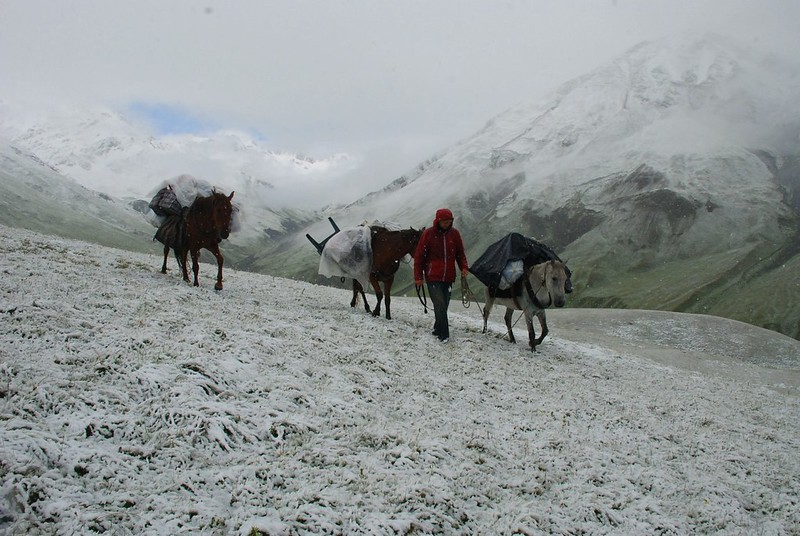
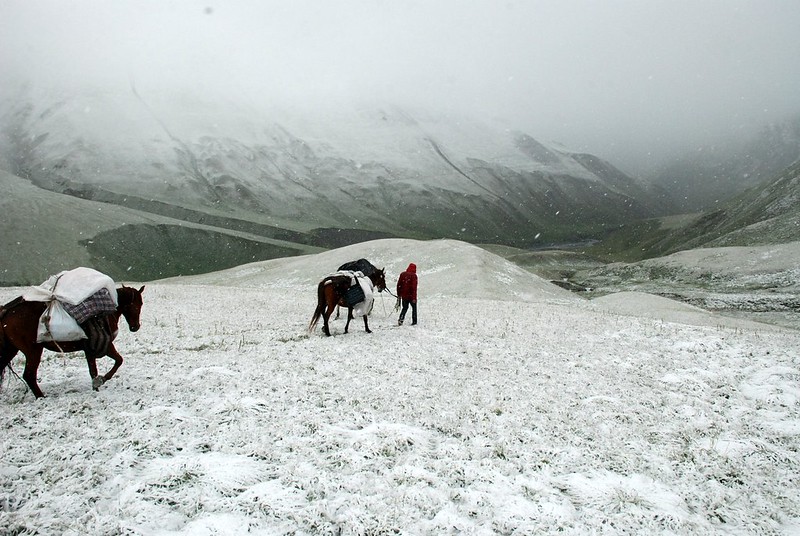
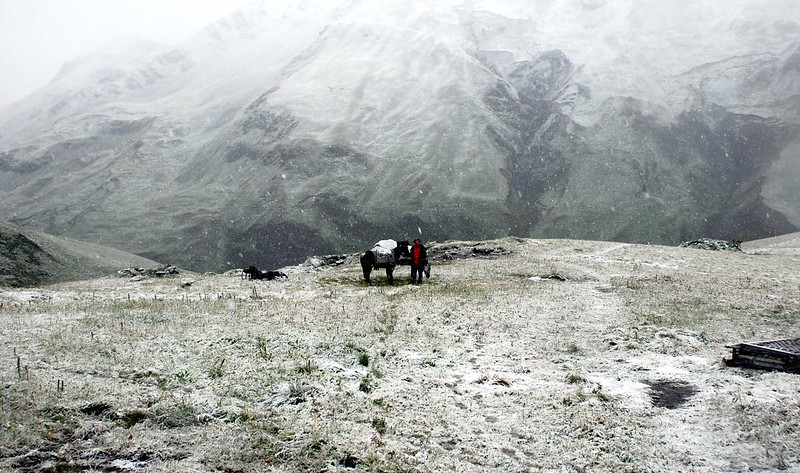
KAUKASUS-REISEN. Snow in Tusheti, 30 July (kaukasus-reisen.de)


more: kaukasus-reisen.de

Saturday, May 11, 2013

VORTRAG: Florian Mühlfried - Staatsbürgerschaft u. andere politische Daseinsformen im Hochland von Georgien, Berlin 16.5.2013


Liebe Expertinnen und Experten,

hiermit möchte ich auf folgenden Gastvortrag am Lehrstuhl für die Geschichte Aserbaidschans der Humboldt-Universität zu Berlin hinweisen:

"Staatsbürgerschaft und andere politische Daseinsformen im Hochland von Georgien"


Zeit: 16. Mai 2013 18-20 Uhr

Ort: HU Berlin, Institut für Geschichtswissenschaften,
Friedrichstraße
191-193a, Raum 5008 (5.OG)

Dr. Florian Mühlfried ist Privatdozent am Institut für Kaukasusstudien der Friedrich-Schiller-Universität Jena. Zuvor arbeitete er als wissenschaftlicher Mitarbeiter am Max-Planck-Institut für ethnologische Forschung in Halle/Saale mit den Forschungsgebieten Georgien und Brasilien.

Mit besten Grüßen, Johannes Gottert

--

Johannes Gottert
Studentische Hilfskraft
Lehrstuhl Geschichte Aserbaidschans
Institut für Geschichtswissenschaften
Philosophische Fakultät I
Humboldt-Universität zu Berlin
Sitz: Friedrichstraße 191-193, 5. OG., Raum 5101
Tel.: 030 2093 70577
Fax.: 030 2091 70655
Postanschrift:
Unter den Linden 6
10099 Berlin

Saturday, January 19, 2013

DOKU: BBC World's Most Dangerous Roads - Series 3 - Georgia (myvideo.ge)

Sunday, September 30, 2012

FOTOGRAFIE: Impression - Offroad in Tuschetien. Von Hans Heiner Buhr (kaukasus-reisen.de)


Hans Heiner Buhr - Reiseleiter von Kaukasus-Reisen schickte mir eben via IPhone diese atemberaubende Landschaftsansicht aus Tuschetien ...

Tuesday, September 25, 2012

REISEN: Viehtrieb Tuschetien. Die schönste abenteuerliche Kurzreise zwischen Europa und Asien. (kaukasus-reisen.de)

(kaukasus-reisen.de) Letzte Chance am Viehabtrieb im Kaukasus (Tusheti) teizunehmen, Tour Start: 29. September bis 6. Oktober

Schafabtrieb: Mit den georgischen Schäfern von den Bergen Tuschetiens im Großen Kaukasus hinunter in die Weinregion Kachetien. Abenteuer – und leichte Wandertour. Wanderzeit drei Tage, Transfers mit Geländewagen nach/von Tuschetien.

Reisetermin: 29.09. bis 06.10. 2012 – die schönste Jahreszeit in Georgien
Teilnehmerzahl: 3-10
Reisepreis: EUR 1050.00

Viehtrieb in Tuschetien, Georgien
Tuschetien liegt abgeschlossen von der Kette des Großen Kaukasus im Nordosten Georgiens und ist die Heimat der Tuschen. Zweimal im Jahr wechseln die tuschetischen Hirten die Weiden für ihre Schafe, Ziegen, Kühe und Pferde. Im Frühjahr ziehen sie von den südlichen Steppen in Schiraki an der aserbaidschanischen Grenze quer durch Kachetien nach Norden und dann über den 2970 m hohen Abanopass in die tuschetischen Bergdörfer. Auf saftigen Wiesen in der rauen Höhenluft stellen sie die vorzüglichsten tuschetischen Käsesorten her, bewirtschaften ihre Herden und pflegen jahrhundertealte Traditionen. Ende September nach der Kartoffelernte und bevor im Hochgebirge der erste Schnee fällt werden die provisorischen Hirtenlager wieder abgebaut, Pferde, Esel und Lastkraftwagen beladen und die Herden über Tagesetappen von 20 bis 30 km zurück nach Kachetien getrieben. Neben unseren regulären Touren nach Tuschetien in den Sommermonaten bieten wir diese Abenteuerreise nur zu einem Termin im Herbst an. Es erwarten die Teilnehmer grandiose Landschaften, tuschetische Gastfreundschaft, Einsamkeit und ein abenteuerlicher Zug mit den Herden zu Pferd oder zu Fuß über die Kette des großen Kaukasus. Tuschetien ist ein Eldorado für Naturfreunde, Reiter, Abenteurer, Angler, Fotografen, Journalisten und Künstler.

2010 hat der Autor Bjørn-Erik Sass an dieser Tour teilgenommen und für Die Zeit in der Rubrik Reisen darüber berichtet: zeit.de/2010/Georgien

Wednesday, July 25, 2012

PHOTOESSAY: Legends of Khevsureti. By Archil Kikodze (cenn.org)

(cenn.org) Iakhsar (1) rushed into Lake Abudelauri after the devi (2) and killed him there with a whip. The devi shed so much blood that Iakhsar was trapped in the water for three years. The Khevsuretians became sad. They could not help their deity who had saved them. Finally, after three years, a sorcerer advised them to sacrifice a ram from the village of Blo, which had four ears and four horns. The devi's blood subsided, and Iakhsar could get out of the lake.

I tell Eleanor this old legend while we are sitting on the shore of the lake. Lake Abudelauri is too small to be the arena for a fight of two supernatural beings - one kind, one malicious - but the silence around us, the rocky peaks of Chaukhi (3) behind us, and a small lake at the edge of glacial moraines lost in green really create a mystical effect ...

We are in Khevsureti, a region of Georgia where myths are mixed with reality and concrete geography. A young hunter was lost on one of the peaks of Chaukhi - Sindaura when hunting for Caucasian goats. His death gave rise to many folk verses and poems. Mindia,(4) who drank snake's blood when he was in the captivity of enemies, understood the language of plants and animals and became an invincible hero and protector of the Khevsuretians, lived in the village of Amga, in the Arkhoti community, which is at a distance of one days journey from here. The legend about Mindia is one of the most popular legends in Georgia. Many famous writers in different times tried to develop this theme ...

But we do not have far to go to meet a legend. It is near, several meters from us. A high rock rises from the middle of the lake. It is cleft in two - the work of Iakhsar, rescuing the people from the devi. The first stroke of his whip missed the devi and broke the rock ...

The etymology of the word "Khevsureti" belongs to the late middle ages. Formerly, Khevsureti, together with the neighboring region Pshavi, was called Pkhovi. This ancient name is retained in the language of Chechens, neighbors of Khevsuretians, who call then "Pkhie" even now.

Today the proximity of the northern borders is felt as never before. My guest and I felt it in the first village we came to in Khevsureti and at the regional centre of Barisakho. There are a lot of people in military uniform (Khevsuretians, like other mountaineers of Georgia, undergo military training on their native land). The road going to Chechnya is controlled. A military unit is now based in Arkhoti too, where the border three years ago was protected only by several locals. We met the military helicopter several times on the road from Roshka to the lake Abudelauri. The situation is rather depressing for the average tourist, but Eleanor is not an average tourist. She is a writer and adventurer, an experienced naturalist and former member of the Greenpeace. Moreover, she comes from Ireland; therefore the only problem for her is a delicacy of the people of Pshavi - a nutritious but very greasy cottage cheese (we spent some days in Pshavi before coming to Khevsureti). Eleanor hunted for seals and whales and ate uncooked meat together with the Eskimos so as not to offend her hosts. But the cottage cheese did its work, and now she eats only potatoes in Roshka.

At the end of our path we could now see Roshka, where about twenty families sharing one surname - Tsiklauri - live. It is a very large village for Khevsureti and has a great deal of pastures and meadows. The Khevsuretians are very good mowers. They mow on very steep slopes and often have to use climbing equipment. In this regard the denizens of Roshka have easier conditions - their meadows are not so steep. They gather a good harvest of potato, a main crop of our mountains, which Eleanor knows better than I do now.

We reach Roshka in the evening, when the cattle come back from pastures. The villagers, like other Khevsuretians, breed cattle. They used to breed sheep as well, but unlike their neighbors, (the people of Pshavi, Gudamakari and especially Tusheti), they had never engaged in nomadic sheep breeding. Khevsuretians consider pigs to be foul animals, and even now refrain from breeding them. This is probably the influence of their Muslim neighbors. One old villager complained that his son, who lives on the plain, brought him pigs for rearing and offended and dishonored the old man ...

The migration of the people of Khevsureti to the plain started in the nineteenth century, but in the 1950s this voluntary migration became obligatory. At the direction of the government of that time, many high-mountainous villages were deserted. The people from these places settled for the most part in the southeast of Georgia. The majority of their descendants live there even now. As a rule, at least once a year these people visit the mountains to attend the summer pagan holidays or just to see the homeland ...

If you have an occasion to travel with a Khevsuretian going to his native land, it is an unforgettable show. As the road goes up to the mountains and his native land gets closer, the Khevsuretian becomes brighter and more cheerful. The way back to the plain is the opposite. The man who used to laugh and sing a few hours ago now becomes taciturn and sits silent in the car near you. Khevsuretians especially avoid the large capital. If they have a business there, they try to arrange everything very quickly and immediately come back without even visiting their close friends, if such live in the town.

Yesterday Eleanor and I met four Khevsuretians living in Kakheti5 on their way to Arkhoti. They rushed into the village by a car that had broken down several times during their trip, brought out drinks, and the sounds of their feast were heard all night long from the house where they stayed. Everybody knew about the presence of drunken Khevsuretians in the village. But early in the morning, they saddled their horses and headed to their villages by the road through the pass, occasionally shooting from their guns...

We are at home already. Our host Shota came back very tired: all day long he had been dragging hay with the bulls. Shota and his wife Tina have got three daughters and a three year old son Uturga who is supposed to continue the family name. The girls help their mother cook dinner. Tired Eleanor leaves to have a rest, Shota finishes his work in the courtyard. I look at the village from the balcony. I see the cattle coming back from pastures like a live current. Farther on I can see the road going to Northern Khevsureti and the mountain pass, Bears Cross. That part of Khevsureti is still illuminated by the sun, but in Roshka it is evening. An old woman comes out the verandah of the next house and looks over the village with binoculars. Perhaps her cow has not come yet. I go into the house for my camera, but the woman notices me, hides the binoculars, and enters the house grumbling ...

I am thinking about tomorrow and my way back to the large city without pleasure. It is October now and probably I will not be able to come here until next year. Most likely I will be silent and thoughtful on my way back like a real Khevsuretian ...

-----------------------------------------------------

1 A pagan deity of the people living in the mountainous region of Georgia - Tusheti, Pshavi, and Khevsureti.
2 A fabulous monster; a huge, ugly and evil creature having immense strength.
3 The mountains in the Central Caucasus.
4 A hero of Georgian legends.
5 Region in the Southeast part georgia.

Full Photoessay >>>


Archil Kikodze

He is a professional photographer, famous Georgian writer, ethnographer and finally wildlife tracking guide. He has traveled widely in Caucasus and knows every corner of Georgia well with its people’s traditions and culture, that’s why his interesting stories make every trip unforgettable. His photographs have won many awards and have participated in various national and international photo exhibitions. Furthermore Archil has published various articles on environmental, ethnographic and social themes in magazines: “Surviving Together”, “Caucasus Environment”, Horizonti, “Mshvenieri Sakartvelo”, “Tskheli Shokoladi” Author of three guidebooks for developing science tourism in Georgia (Khevi, Svaneti, Bakuriani), Switzerland. At the request of Ministry of Environment of Georgia wrote books on Kolkheti, Tusheti and Vashlovani National Parks and Lagodekhi Reserve.

facebook.com/archil.kikodze
 

Saturday, May 19, 2012

TUSHETI: The Sheperds Way - The Photographer Dima Gomberg (dimagomberg.com)


more: www.dimagomberg.com/the-shepherds-way

Shepherding is one of the oldest occupations, originating more than 6,000 years ago in Asia Minor. We learn about shepherds from our religions where in the Judeo-Christian tradition, the term is metaphorically used for God. In Islam, Muhammad prided himself in being part of a rich tradition of prophets who worked as shepherds. Sikhism has many mentions of shepherd tales.


Shepherds are also found in literature where they are involved in rescuing foundlings such as Oedipus, Romulus and Remus, the title characters of Longus’ Daphnis and Chloe, and The Winter’s Tale by Shakespeare.


Today most of us are far removed from the lives of shepherds. Perhaps that is why we are so fascinated with images of people who still find their livelihood as shepherds. Our fascination only increases when the images are as exquisite as those of Dima Gomberg’s. Check out this stunning photographic series called “The Shepherds Way,” by Gomberg, which depicts this ancient way of life. 


Source: www.madeinslant.com


Saturday, May 12, 2012

VIDEO: Flights over Georgia (youtube.com)


One of the most exiting flights I had in Georgia. I started at 550 m and had to pass a mountain range therefore I climbed up to 4500 m. The view reaching the small village Omalo at the feet of the high Caucasus, I will never forget


A flight around the CTR of Tbilisi Airport. Tried to find David Garetscha found actually a desert in Georgia. Beautiful landscape and heavy nose wind.


Nice winter flight to Jvari church in Georgia, close to Mtsketa (former capital city of Georgia). The church was built in the 6th century.