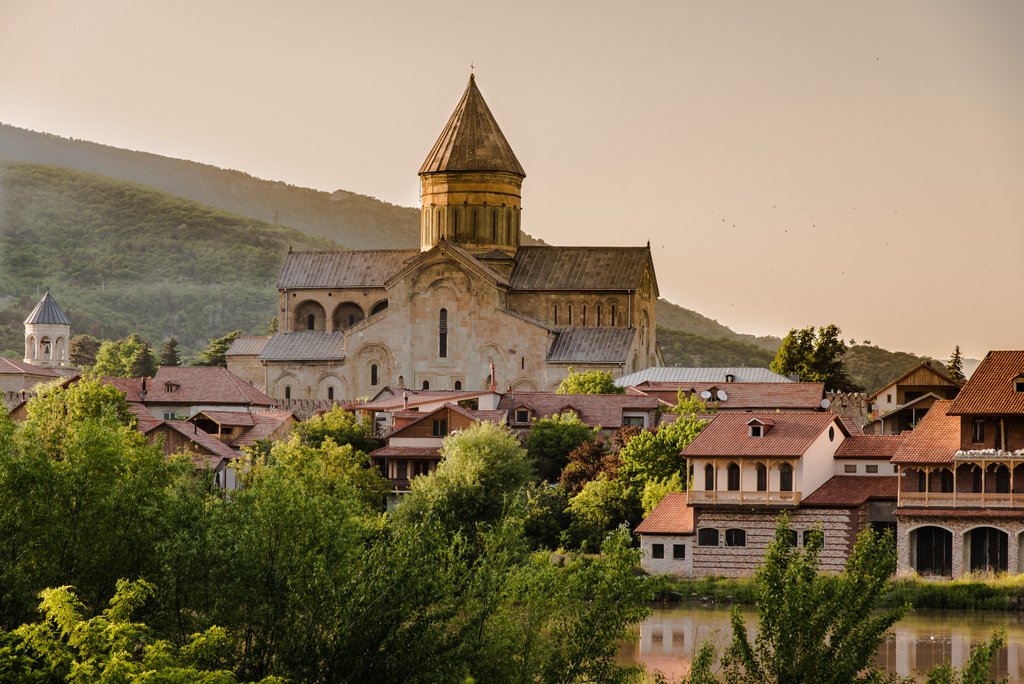
Russudan Meipariani's Soloprogramm ist in georgischer Sprache und vertont Lyrik von Galaktioni. Im Herbst 2017 gab es zum ersten Mal eine Zusammenarbeit mit dem Tbilisi Contemporary Ballet, dem progressivsten Tanzensemble Georgiens tbilisiballet.ge. Die Choreographie zu Russudans Vertonungen wurden im November 2017 in Tiflis uraufgeführt und begeistert aufgenommen. Nun soll die Zusammenarbeit fortgesetzt und erweitert werden- zur Buchmesse kommt das Ensemble nach Deutschland und es wäre ein spannendes, interdisziplinäres Experiment und ein Brückenschlag zwischen den Welten, mit zeitgenössischen Texten zu arbeiten und deren musikalische Umsetzung durch Russudan als Choreographie aufzuführen...
Projekt: www.tbilisiballet.ge/geo/projects
Russudan Meipariani, Am bneli gamit
Russudan Meipairani, Miniature for prepared piano
Weitere Informationen:
Ulrike Bohnet M.A.
urankyz kulturvermittlung
Böblinger Str. 12 B
70178 Stuttgart
Tel.: 0711-66487107 // 015771-528451
www.urankyz.de
Showing posts with label Ballet. Show all posts
Showing posts with label Ballet. Show all posts
Monday, February 26, 2018


Tuesday, January 12, 2016
CULTURE: Long-awaited Tbilisi Opera and Ballet State Theatre opens after renovation works (georgianjournal.ge)
(georgianjournal.ge) We are extremely glad to announce that one of the main cultural heritages of Georgia, Tbilisi Opera and Ballet State Theatre will officially open on January 30, 2016 after its major renovation that lasted for 6 years. This unique opera will offer the public updated opera and ballet productions such as iconic opera Abesalom and Eteri as well as premiere of Gorda, a restored production of legendary late dancer and choreographer Vakhtang Chabukiani's 1949 classic.


It is noteworthy that Alexandre Dumas, famous French writer was so fascinated by the Georgian theatre that even wrote about it in his book. In 1856 the writer wrote in his book named “Adventures in the Caucasus” while his stay in Tbilisi: “The balconies were decorated with Arabic carvings instead of ornaments, the curtain was beautifully adorned, and the stage itself looked more like a fairy palace, and not because of its expensive decorations, but for its sophisticated taste…I thought I was at the theatre of Pompey. I have never seen such an impressive hall of the theater in my life….”


The present crystal luster of Tbilisi Opera and Ballet State Theatre was ordered in the glass factory of Austria and was designed by architect Murtaz Chachanidze . The luster weighs 2800 kilos and consists of 740 lamps. As a rule, this beautiful luster is cleaned twice a year and is considered an important event, since the cleaning efforts take one entire day.

In 2010 the building was closed again for a large scale renovation works. The stage has increased in size and more balconies were added to the hall. Beside works on the Theatre's interior, the outer yard space was also widened to accompany the refreshed venue. The renovation project launched with support of the Kartu Fund and was carried out by architect Leri Medzmariashvili. The building was carefully renovated and the old appearance was maintained, however it was refreshed with some modern details as well. It is noteworthy that the old iconic stage curtain by late painter Sergo Kobuladze has been also recreated using cutting edge technology in Germany after the original creation was lost in the devastating fire at the venue in the 1970s.
 More links:
Inside Tbilisi's restored historic opera house [bbc.com]
Long-awaited day arrives: Tbilisi Opera House reopens [agenda.ge]
Tbilisi to reopen opera house that has survived tsars, Soviets and civil war. By Andrew North [theguardian.com]
Unforgettable First-Night Opera Performance to Open Renovated Tbilisi Opera House [georgiatoday.ge]
Tbilisi Opera reopens after five year maintenance closure [dfwatch.net]
Tbilisi Opera and Ballet State Theatre to officially reopen after long renovations [alvertjournal.com]

Tbilisi’s opera has a very interesting story. Originally the city’s first opera was opened on November 8 1851 on the Liberty Square. Italian architect Giovanni Scudieri, who had come to Tiflis from Odessa, was hired to oversee the project. Unfortunately in 1874 the theatre was completely destroyed by a massive fire that also devastated its unique and huge ton and a half luster that was ordered by the Russian Chief Governor of the Caucasus, Mikhail Vorontsov from France and cost 9400
francs. The luster was shipped from Marseilles to Poti port in Georgia. The parts of the luster were packed in 12 big boxes and brought to Tbilisi by carriages. As it is known, the part of the luster broke on the road, so they had to order it again. Sadly, the fire claimed the entire hall, foyer, as well as the large beautiful curtain that was decorated by Grigol Gagarin.

It is noteworthy that Alexandre Dumas, famous French writer was so fascinated by the Georgian theatre that even wrote about it in his book. In 1856 the writer wrote in his book named “Adventures in the Caucasus” while his stay in Tbilisi: “The balconies were decorated with Arabic carvings instead of ornaments, the curtain was beautifully adorned, and the stage itself looked more like a fairy palace, and not because of its expensive decorations, but for its sophisticated taste…I thought I was at the theatre of Pompey. I have never seen such an impressive hall of the theater in my life….”

The present theatre was opened in 1896 and seated 1200 people. The
building was distinguished for its design that consisted of Islamic
elements. Strange as it may sound the second building of the opera also
caught fire in 1973 after which the building was completely
reconstructed and renovated by architects Leri Medzmarishvili and Murtaz
Chachanidze, yet its eastern pseudo-moorish style was maintained.

The present crystal luster of Tbilisi Opera and Ballet State Theatre was ordered in the glass factory of Austria and was designed by architect Murtaz Chachanidze . The luster weighs 2800 kilos and consists of 740 lamps. As a rule, this beautiful luster is cleaned twice a year and is considered an important event, since the cleaning efforts take one entire day.

In 2010 the building was closed again for a large scale renovation works. The stage has increased in size and more balconies were added to the hall. Beside works on the Theatre's interior, the outer yard space was also widened to accompany the refreshed venue. The renovation project launched with support of the Kartu Fund and was carried out by architect Leri Medzmariashvili. The building was carefully renovated and the old appearance was maintained, however it was refreshed with some modern details as well. It is noteworthy that the old iconic stage curtain by late painter Sergo Kobuladze has been also recreated using cutting edge technology in Germany after the original creation was lost in the devastating fire at the venue in the 1970s.

Inside Tbilisi's restored historic opera house [bbc.com]
Long-awaited day arrives: Tbilisi Opera House reopens [agenda.ge]
Tbilisi to reopen opera house that has survived tsars, Soviets and civil war. By Andrew North [theguardian.com]
Unforgettable First-Night Opera Performance to Open Renovated Tbilisi Opera House [georgiatoday.ge]
Tbilisi Opera reopens after five year maintenance closure [dfwatch.net]
Tbilisi Opera and Ballet State Theatre to officially reopen after long renovations [alvertjournal.com]
Saturday, January 24, 2015
GEORGIA: Tinkering with the Country’s Dance DNA. By Monica Ellena and Justyna Mielnikiewicz (eurasianet.org)
VIDEO >>>
(eurasianet.org) Three long-limbed, statuesque women swirl across the stage in red dresses. Their drooping sleeves slash the air. Their bleached, buzz-cut heads glow in the dim light.
Always seeking a balance between tradition and innovation, the tiny South Caucasus country of Georgia is experimenting again -- this time by seeking to meld modern dance with folk dance.
Unlike in the West, dance in Georgia is not the domain of the artistic few. Intricate, gravity-defying folk dances are a national obsession, a genre believed to show the country at its best.
The focal point of this obsession is the state-funded Georgian National Ballet Sukhishvili, a 70-year-old company now pushing the boundaries of Georgia’s national dance identity with a privately financed modern-dance project. Called the Ramishvilebi, in honor of the Georgian National Ballet’s legendary co-founder, Nino Ramishvili, the group gives women more dynamic roles, uses a mix of jazz, electronic and Georgian traditional music, and creates more room for improvisation.
It is contemporary – female dancers initially dance in flesh-colored leotards that make them appear topless – but “[i]ts accent and soul is [sic] very Georgian,” underlined Nino Sukhishvili, the company’s 50-year-old general director, who oversees the modern-dance project’s costumes and sets.
The Georgian National Ballet Sukhishvili’s core choreography reflects the desire of Ramishvili and her husband, fellow ballet dancer Ilia Sukhishvili, to blend dance traditions from Georgia’s regions with classical ballet.
Men perform dizzying jumps and high-speed spins to a raging drumbeat or dance on their toes – the “repertory of twists, twirls and tumbles could put any modern break-dancer to the test,” The New York Times wrote in 1988, when the company first toured the US.
Women’s roles are far more demure, with much graceful gliding across the stage, but have evolved in recent years to include a military dance.
Nino Sukhishvili and her 42-year-old brother, the ensemble’s chief choreographer and artistic director, Iliko Sukhishvili (grandchildren of the ensemble’s co-founders) maintain that they want the troupe to recognize the past while keeping in step with the times.
The modern-dance performance’s symbolic trio of dancers in red evolves from a folk dance for three women (Samaia) modeled on frescoes of Georgia’s medieval Queen Tamar, they note. Its finale, which features women in strapless black dresses with red targets on their chests, draws from the traditional military dance, Khorumi.
Nonetheless, “to be true to the folk roots of our dance and create something new” is “very difficult,” conceded Iliko Sukhishvili.
One American professional dancer agrees. Overall, modern dance’s “fluid movement is at odds with the strict pattern of most Georgian dance,” noted Mira Cooks, a dancer with the New-York-City-based Battery Dance Company. In 2013, the New York troupe staged master-classes for Georgian dancers that emphasized improvisation and “breaking the rigid gender-conscious code that is typical of the Georgian dances.”
Breaking norms is a routine with which the Georgian National Ballet Sukhishvili is familiar. In the late 1920s, Nino Ramishvili danced with her later husband, Iliko Sukhishvili, in male national costume, whipping off her hat at the end to show the audience that she was a woman. The dance (Ilouri) has since become a standard performance.
Other innovations have included Latin dances, and a “folkotheque” experiment the company brought on stage in 2004 to combine Georgian and dance-club music. The experiment sparked Georgian youngsters to try out the moves themselves in Georgian discos, Nino Sukshishvili claimed.
How far most Georgian viewers are willing to go with this latest transformation of the company remains an open question, according to David Bukhrikidze, a theater critic at the news-monthly Liberali.
By “mixing traditional and electronic music as well as Georgian dance elements with modern ones,” the project “is bound to divide,” Bukhridze said.
The project is not the first modern-dance venture for Georgia, but traditionalists indeed frown upon it as non-Georgian, or simply bewildering. “A confused jumble of movements, without a clear direction,” scoffed one 42-year-old woman. “I don’t see the point, really.”
Forty-three-year-old former Sukhishvili soloist Tea Darchia, whose daughter, Mariam Matiashvili, dances in the Ramishvilebi, thinks that the group is “too early for the Georgian audience,” just like the Georgian National Ballet Sukhishvili itself “was too early for the audience in the 1940s.”
The troupe’s “productions take a few years to get to people’s heart[s], but then they are there to stay,” said Darchia, who danced with the company for 28 years.
Otar Kantaria, a 30-year-old international-development professional, already calls the modern-dance shows “pure energy,” with music that “takes Georgian sound to another level.”
Such enthusiasm also can be seen among younger dance students in this ever-dancing country.
The modern-dance group’s creators, as well as participants, stress that they only welcome the debate. Said 20-year-old Tatia Ukleba, part of the Ramishvilebi’s symbolic trio of dancers in red, “healthy criticism makes you stronger.”
(eurasianet.org) Three long-limbed, statuesque women swirl across the stage in red dresses. Their drooping sleeves slash the air. Their bleached, buzz-cut heads glow in the dim light.
Always seeking a balance between tradition and innovation, the tiny South Caucasus country of Georgia is experimenting again -- this time by seeking to meld modern dance with folk dance.
Unlike in the West, dance in Georgia is not the domain of the artistic few. Intricate, gravity-defying folk dances are a national obsession, a genre believed to show the country at its best.
The focal point of this obsession is the state-funded Georgian National Ballet Sukhishvili, a 70-year-old company now pushing the boundaries of Georgia’s national dance identity with a privately financed modern-dance project. Called the Ramishvilebi, in honor of the Georgian National Ballet’s legendary co-founder, Nino Ramishvili, the group gives women more dynamic roles, uses a mix of jazz, electronic and Georgian traditional music, and creates more room for improvisation.
It is contemporary – female dancers initially dance in flesh-colored leotards that make them appear topless – but “[i]ts accent and soul is [sic] very Georgian,” underlined Nino Sukhishvili, the company’s 50-year-old general director, who oversees the modern-dance project’s costumes and sets.
The Georgian National Ballet Sukhishvili’s core choreography reflects the desire of Ramishvili and her husband, fellow ballet dancer Ilia Sukhishvili, to blend dance traditions from Georgia’s regions with classical ballet.
Men perform dizzying jumps and high-speed spins to a raging drumbeat or dance on their toes – the “repertory of twists, twirls and tumbles could put any modern break-dancer to the test,” The New York Times wrote in 1988, when the company first toured the US.
Women’s roles are far more demure, with much graceful gliding across the stage, but have evolved in recent years to include a military dance.
Nino Sukhishvili and her 42-year-old brother, the ensemble’s chief choreographer and artistic director, Iliko Sukhishvili (grandchildren of the ensemble’s co-founders) maintain that they want the troupe to recognize the past while keeping in step with the times.
The modern-dance performance’s symbolic trio of dancers in red evolves from a folk dance for three women (Samaia) modeled on frescoes of Georgia’s medieval Queen Tamar, they note. Its finale, which features women in strapless black dresses with red targets on their chests, draws from the traditional military dance, Khorumi.
Nonetheless, “to be true to the folk roots of our dance and create something new” is “very difficult,” conceded Iliko Sukhishvili.
One American professional dancer agrees. Overall, modern dance’s “fluid movement is at odds with the strict pattern of most Georgian dance,” noted Mira Cooks, a dancer with the New-York-City-based Battery Dance Company. In 2013, the New York troupe staged master-classes for Georgian dancers that emphasized improvisation and “breaking the rigid gender-conscious code that is typical of the Georgian dances.”
Breaking norms is a routine with which the Georgian National Ballet Sukhishvili is familiar. In the late 1920s, Nino Ramishvili danced with her later husband, Iliko Sukhishvili, in male national costume, whipping off her hat at the end to show the audience that she was a woman. The dance (Ilouri) has since become a standard performance.
Other innovations have included Latin dances, and a “folkotheque” experiment the company brought on stage in 2004 to combine Georgian and dance-club music. The experiment sparked Georgian youngsters to try out the moves themselves in Georgian discos, Nino Sukshishvili claimed.
How far most Georgian viewers are willing to go with this latest transformation of the company remains an open question, according to David Bukhrikidze, a theater critic at the news-monthly Liberali.
By “mixing traditional and electronic music as well as Georgian dance elements with modern ones,” the project “is bound to divide,” Bukhridze said.
The project is not the first modern-dance venture for Georgia, but traditionalists indeed frown upon it as non-Georgian, or simply bewildering. “A confused jumble of movements, without a clear direction,” scoffed one 42-year-old woman. “I don’t see the point, really.”
Forty-three-year-old former Sukhishvili soloist Tea Darchia, whose daughter, Mariam Matiashvili, dances in the Ramishvilebi, thinks that the group is “too early for the Georgian audience,” just like the Georgian National Ballet Sukhishvili itself “was too early for the audience in the 1940s.”
The troupe’s “productions take a few years to get to people’s heart[s], but then they are there to stay,” said Darchia, who danced with the company for 28 years.
Otar Kantaria, a 30-year-old international-development professional, already calls the modern-dance shows “pure energy,” with music that “takes Georgian sound to another level.”
Such enthusiasm also can be seen among younger dance students in this ever-dancing country.
The modern-dance group’s creators, as well as participants, stress that they only welcome the debate. Said 20-year-old Tatia Ukleba, part of the Ramishvilebi’s symbolic trio of dancers in red, “healthy criticism makes you stronger.”
Editor's Note:
Dance and journalism often go together.
Tbilisi-based journalist Monica Ellena previously danced with an amateur
contemporary dance ensemble, and graduated from university with a
dissertation about American modern dance in the 1940s-1970s. Caucasus
news editor Elizabeth Owen studies Georgian dance with the Georgian
National Ballet Sukhishvili and dances with an amateur ensemble.
Photographer Justyna Mielnikiewicz also has studied Georgian dance.
Monday, April 19, 2010
TELEVISION: Republic of Georgia's unique ballet (cnn.com)
CNNInternational — 17. April 2010 — CNN's Ivan Watson takes an inside look at the state ballet of the Republic of Georgia.
Sunday, June 28, 2009
BALLET: Swan Song: A Fond Farewell to Nina Ananiashvili (playbillarts.com)
By Pia Catton
After 16 years with the Company, Principal Dancer Nina Ananiashvili bids farewell to American Ballet Theatre June 27 with a last performance in her calling-card piece: Swan Lake.
full article >>>

After 16 years with the Company, Principal Dancer Nina Ananiashvili bids farewell to American Ballet Theatre June 27 with a last performance in her calling-card piece: Swan Lake.
full article >>>
Wednesday, June 10, 2009
DANCE: A Radiant, Russian-Inflected Giselle Floats Again (nytimes.com)
"Giselle": Nina Ananiashvili in the title role of a Russian favorite at the Metropolitan Opera House. More Photos >
By ALASTAIR MACAULAY
Published: June 9, 2009
On Monday the Georgian ballerina Nina Ananiashvili — looking just about the same as when I first saw her dance the ballet with the Bolshoi in 1986 but now halfway through her farewell season with Ballet Theater — showed both the best Russian virtues and the qualities that have made her singularly beloved worldwide. How easily she takes to the air; how beautifully energy flows down the ravishingly long limbs of her physique (and, apparently, beyond).
Ballet textbooks say that arabesque penchée — in which the dancer leans forward and downward while extending one leg up and behind — is the ultimate test of line. Ms. Ananiashvili took one of these on Friday and made it slowly stretch (I heard someone in the audience gasp) so that you thought about this standard position as if for the first time.
full artcile >>>
By ALASTAIR MACAULAY
Published: June 9, 2009
On Monday the Georgian ballerina Nina Ananiashvili — looking just about the same as when I first saw her dance the ballet with the Bolshoi in 1986 but now halfway through her farewell season with Ballet Theater — showed both the best Russian virtues and the qualities that have made her singularly beloved worldwide. How easily she takes to the air; how beautifully energy flows down the ravishingly long limbs of her physique (and, apparently, beyond).
Ballet textbooks say that arabesque penchée — in which the dancer leans forward and downward while extending one leg up and behind — is the ultimate test of line. Ms. Ananiashvili took one of these on Friday and made it slowly stretch (I heard someone in the audience gasp) so that you thought about this standard position as if for the first time.
full artcile >>>
Thursday, April 02, 2009
Sunday, March 02, 2008
NEWS: Georgia News Digest 02-29-08
A service of the Georgian Foundation for Strategic and International Studies
Attached PDF file easily navigable with Bookmarks pane
Archives and associated files at groups.google.com/group/genewsfiles (from February 2008) and groups.google.com/group/genews (before February 2008)
Attached PDF file easily navigable with Bookmarks pane
Archives and associated files at groups.google.com/group/genewsfiles (from February 2008) and groups.google.com/group/genews (before February 2008)
1. U.N. human rights chief voices concerns on Georgia
2. UN official upbeat on rights situation in Georgia
3. Georgia's human rights record still of concern, despite progress – top UN official
4. “Republican” to supposedly separate from United National Council of opposition
5. Opposition leader speaks of possible split as a tactic
6. Pundit sceptical on chances for moving to next stage of NATO accession
7. Tbilisi claims joint border control agreed with Russia, but details are open question
8. Russian MPs insist no disagreement within government on Georgia checkpoints
9. Bakradze reckons that statement of official Moscow is result of internal problems
10. Bakradze denies misinterpreting results of Putin-Saakashvili meeting
11. Georgia responds to Russian MFA statement
12. Georgia needs strong and efficient intelligence
13. Best of possible
14. Rhetoric: Response to Kosovo?
15. Russian-Georgian relations see possible improvement
16. Tbilisi stands firm on case against Russia at ECHR
17. 'Turning point' in Russia's relations with Poland, Ukraine, Georgia
18. Moscow did not give guarantee to Tbilisi that “never recognize Abkhazia or South Ossetia”
19. Georgia critical of Russia ForMin statement
20. Russia reckons that there is nothing illegal in participation of citizens of Russia in election
21. Bomb blast kills 2 people, injures 15 in South Ossetia
22. video: Policemen killed in Georgia's breakaway republic
23. S Ossetia accuses Georgia of attempt at life of pro-Georgian official
24. S. Ossetia blames Thursday's bomb attack on Georgian secret services
25. Tskhinvali accuses Tbilisi of ‘terrorist act’
26. Saakashvili deceiving people ahead of election - separatist official
27. Bagapsh: Russia will not recognize Abkhazia’s independence so quickly!
28. Abkhazia wants recognition from Russia and Europe
29. Russia priority for Abkhazia - Shamba
30. Abkhazia to satisfy democratic standards to be recognized - Shamba
31. Georgian official condemns detention of journalist in Abkhazia
32. Abkhazia urges Georgia to release official in exchange for detained reporter
33. Bakradze: Everything to be done to release detained journalist
34. Abkhazia not to demand release of official in return for Georgian reporter
35. Saakashvili threatens police operation in Abkhazia over detained journalist
36. Gamkrelidze accuses Saakashvili of making “irresponsibility statements”
37. On Abkhazia, president’s ill-considered ultimatums create needless danger
38. Sokhumi defies Tbilisi’s warning over detained journalist
39. Paata Davitaia informed Prosecutor’s Office of Haaga about detention of Georgian journalist
40. Relatives of journalist Malkhaz Basilaia held rally at Enguri Bridge
41. General Ochalov flatly refutes information on detention of journalist Malkhaz Basilaia at peacekeepers’ checkpoint
42. Louise Arbour unable to name exact date of release of detained Georgian journalist
43. ‘Diplomatic efforts’ underway to release journalist
44. Separatists say Georgian special purpose troops mobilized near Abkhazia
45. Patarkatsishvili buried in Tbilisi
46. Badri Patarkatsishvili buried in courtyard of his residence
47. Final farewell to a robber baron and a philanthropist
48. video: Georgian tycoon laid to rest in Tbilisi
49. President of Israel not to attend funeral of Patarkatsishvili
50. Badri Patarkatsishvili assassinated?
51. Billionaire love child
52. Delegation of RA Defense Ministry headed by Mikael Harutyunyan to pay three-day official visit to Georgia
53. Armenian Defense Minister visits Georgia
54. Georgia to dispatch military attache to Armenia
55. ‘First large-scale export’ of Georgian wine to U.S. planned
56. Controversial film on November events ‘mistake’ – GPB Head
57. Conflictology center publishes results of social survey
58. Six convicts go on hunger strike
59. Subeliani met refugees resided in Duisi, Pankisi Valley
60. Part of residents of Tbilisi to have advantages in municipal transport
61. Seminar to be dedicated to the labor security issues
62. Prisoners performed a play in the Free Theatre
63. Retooled State Ballet of Georgia shows its wares
full digest: Georgia News Digest - Ansicht in Groups BetaNeu!
Jonathan Kulick, Ph.D., Director of Studies, Georgian Foundation for Strategic and International Studies, 3a Chitadze, Tbilisi 0108, Georgia (Republic), jonathan.kulick@gfsis.org, office: +995 32 47 35 55, mobile: +995 95 33 33 40, USA voicemail: 310.928.6814
Tuesday, February 26, 2008
DANCE: State Ballet of Georgia - a young company with her star Nina Ananiashvili
The talent, and inexperience, show
By Lewis Segal
Los Angeles Times, February 22: A young company with an antique pedigree, that's the reconstituted State Ballet of Georgia, which brought four works choreographed late in the last century or early in this one to UCLA's Royce Hall on Thursday.
If that repertory often challenged the dancers more than the audience, give them time: Georgian-born international star Nina Ananiashvili became artistic director only four years ago and had to virtually start from scratch. Like our even younger Los Angeles Ballet (across campus in the Freud Playhouse this same weekend), impressive talent and inexperience go hand in hand when they take the stage.
The problems arose most consistently on Thursday in "Chaconne," George Balanchine's alternately serene and courtly large-scale suite to music (on tape) by Gluck. Ananiashvili danced the ballerina role as if lost in a beautiful dream, but her partnership with the effortful Vasil Akhmeteli kept the technical difficulties of their duets more evident than their rapt lyricism.
Generally, the Tbilisi dancers brought freshness and exactitude to the more conventional step combinations here but looked decidedly uncomfortable in the many experimental ones.
The trio (Rusudan Kvitsiani, Ekaterine Chubinidze, Otar Khelashvili) proved especially ill at ease, and a secondary duet (Maya Dolidze, David Khozashvili) started promisingly but grew progressively shaky.
Unfortunately, an errant follow-spot added to the disarray and all but wrecked the haunting final sequence in "Duo Concertant," Balanchine's mercurial duet in which the dancers stand listening to a Stravinsky piece for piano and violin (played onstage by Liam Viney and Roberto Cani) and then begin an increasingly involving partnership.
If you could scarcely see them in the finale, Nino Gogua and Lasha Khozashvili danced the other, brighter sections gorgeously, their youth, charm and spontaneity gilding the choreography and making it seem an inspired improvisation.
With "Bizet Variations," Bolshoi Ballet artistic director Alexei Ratmansky contributed a formula, quasi-romantic exercise for three couples -- not as unwatchable as his "Pierrot Lunaire" for Diana Vishneva and company in Costa Mesa last week but just as fundamentally soulless.
This is one of those ballets in which the men have some freedom to actually dance (and get assigned off-the-rack bravura, for the most part) but the women are continually yanked about and hauled overhead, subordinated to the partnering. Again cast opposite Akhmeteli (playing a flamboyant outsider), Ananiashvili alone brought the sense of an inner life to the choreography -- even to simple walking steps and absolute stillness. And Anna Grinberg played the somber "Chromatic Variations" powerfully."
Sagalobeli" used taped Georgian folk music played by the musical ensemble of the same name to accompany a divertissement suggesting the twisty fervor and nervy elegance of the nation's ethnic dances but managed to avoid both extreme classical abstraction and opera-ballet literalism.
Like Ananiashvili, choreographer Yuri Possokhov began as a dancer at the Bolshoi but spent most of his career outside Russia -- at San Francisco Ballet.
Although his concept was prefigured, and trumped, by the late Maurice Béjart in such works as "Golestan," and Possokhov often rode roughshod over bold changes in the music's tempos and instrumentation, the dancers made an exciting case for "Sagalobeli," projecting its exotic technical qualities with great skill.
The piece began and ended with the men, but the most original choreography turned up in an undulating women's quartet invaded and dominated by Anna Muradeli, who then soloed, her movement at once lush and passionate, liquid yet perfectly centered. Gogua and the omnipresent Akhmeteli danced the inevitable, conventional pas de deux.
Mostly executed in browns and beiges, Anna Kalatozishvili's costumes adroitly enhanced the women's hyper-extended line and the men's heightened muscularity. The company ends its UCLA Live engagement with three performances of "Giselle" today and Sunday.
Georgian State Ballet embraces heritage while moving forward
By Laura Bleiberg
Orange County Register , February 22: Nina Ananiashvili, the luminous ballerina of the Bolshoi and American Ballet Theatre, has added the title of "company artistic director" to her resume, and if one performance is a predictor, this new role will suit her exceedingly well.
In 2004, Ananiashvili took over the leadership of the Georgian State Ballet, in her hometown of Tbilisi. The company is more than 70 years old, but recent government political tumult caused stagnation at the theater. Ananiashvili, with former Bolshoi artistic director Alexei Fadeyechev as her co-director, are patching the leaks, and launching the ship forward on a new course, including a current United States tour.
At the moment, Ananiashvili's greatest asset may be as a crowd-drawing star, and she appeared in two of the four ballets Thursday night on the Georgians' Los Angeles stop at Royce Hall (through Sunday, presented by UCLA Live).
Despite its long history, the Georgian State Ballet is in its adolescence. The dancers are young and made youthful mistakes Thursday, such as the occasional collision (not fatal, thank goodness) and that old deer-in-the-headlights face of fright. Missed lighting cues and an off-stage crash or two were other gremlins that bedeviled the show.
The latter might not have been the Georgians' fault. Either way, what's more important, is that the new leadership has embraced Georgia's distinctive cultural heritage, and in doing that they are laying the foundation for a uniquely styled and, perhaps, innovative company.
No.1 on the agenda was the ballets of choreographer George Balanchine, Georgia's favorite native son. (Turns out his composer brother, Andrey Balanchivadze, helped found the company.) Ananiashvili, who guested early in her career with Balanchine's New York City Ballet, has added 10 of his ballets to her company's repertory.
The night began with his courtly and romantic "Chaconne" (1976), to recorded selections from Gluck's opera "Orfeo ed Euridice." From the opening all-female tableaux, the women of the corps de ballet showed themselves naturals at the sophisticated glamour that was one of Balanchine's gifts to women.
The ladies' confident faces and assured body placement projected an aura that rippled throughout the theater. The men were a little unsteady, particularly in the ballet's exacting footwork. Make no mistake, this is a virtuoso work without looking like one.Ananiashvili and Vasil Akhmeteli were the lead couple, and despite some partnering bobbles, were an attractive presence. Ananiashvili performed with a ripe suppleness. Her long legs are one of her great assets and she used them to strong effect in the role's unfolding circular developées and high kicks. An attractive and strong dancer, Akhmeteli had to rush the small jumps a bit to keep up with the music. The movement of their alternating solos, though, was a thrilling bit of "Anything you can do, I can do better."
In Balanchine's "Duo Concertant" (1972), ballerina Nino Gogua was the "It" girl, a standout of excellent proportions who will perhaps take over Ananiashvili's mantle. This winsome, yet elegant dancer was the muse/love interest for partner Lasha Khozashvili, who was both buoyant and boyish. Violinist Roberto Cani and pianist Liam Viney made the tricky Stravinsky pieces sound easy.
Alexei Ratmansky's "Bizet Variations" (2008), was a flirtatious, romantic jaunt for three couples to Bizet's Chromatic Variations (played by Anna Grinberg). Though it had no libretto, a story could be imagined: lovers at a ball, enticing one another away from their intended. To my mind, Ananiashvili and Akhmeteli were the more experienced couple, easily attracting the opposite gender. As with Ratmansky's "Pierrot Lunaire," seen last week at the Orange County Performing Arts Center, the choreographer's kinetic language here was fluid and pretty, but overflowing with unmemorable steps that rushed past without distinction.
The closing ballet came from yet another Bolshoi alumnus: Yuri Possokhov, now choreographer-in-residence at San Francisco Ballet. His "Sagalobeli" was an homage to Georgian folk traditions and the score (recorded) consisted of short, reedy folk instrumentals and songs.
Possokhov made the best use of the company's men, giving them solid poses and airborne leaps, one leg tucked under. Steps that suggest vernacular dance – especially a rolling torso and undulating hip swings for the women – recurred through the piece.
A female dance that bespoke longing and feminine solidarity was my favorite. Possokhov had the audience in his pocket throughout, though, and the crowd actually clapped to the music, which was a first for me at a ballet performance.
This show of affection must certainly have warmed Ananiashvili's heart. She and the Georgians are off in the right direction.
By Lewis Segal
Los Angeles Times, February 22: A young company with an antique pedigree, that's the reconstituted State Ballet of Georgia, which brought four works choreographed late in the last century or early in this one to UCLA's Royce Hall on Thursday.
If that repertory often challenged the dancers more than the audience, give them time: Georgian-born international star Nina Ananiashvili became artistic director only four years ago and had to virtually start from scratch. Like our even younger Los Angeles Ballet (across campus in the Freud Playhouse this same weekend), impressive talent and inexperience go hand in hand when they take the stage.
The problems arose most consistently on Thursday in "Chaconne," George Balanchine's alternately serene and courtly large-scale suite to music (on tape) by Gluck. Ananiashvili danced the ballerina role as if lost in a beautiful dream, but her partnership with the effortful Vasil Akhmeteli kept the technical difficulties of their duets more evident than their rapt lyricism.
Generally, the Tbilisi dancers brought freshness and exactitude to the more conventional step combinations here but looked decidedly uncomfortable in the many experimental ones.
The trio (Rusudan Kvitsiani, Ekaterine Chubinidze, Otar Khelashvili) proved especially ill at ease, and a secondary duet (Maya Dolidze, David Khozashvili) started promisingly but grew progressively shaky.
Unfortunately, an errant follow-spot added to the disarray and all but wrecked the haunting final sequence in "Duo Concertant," Balanchine's mercurial duet in which the dancers stand listening to a Stravinsky piece for piano and violin (played onstage by Liam Viney and Roberto Cani) and then begin an increasingly involving partnership.
If you could scarcely see them in the finale, Nino Gogua and Lasha Khozashvili danced the other, brighter sections gorgeously, their youth, charm and spontaneity gilding the choreography and making it seem an inspired improvisation.
With "Bizet Variations," Bolshoi Ballet artistic director Alexei Ratmansky contributed a formula, quasi-romantic exercise for three couples -- not as unwatchable as his "Pierrot Lunaire" for Diana Vishneva and company in Costa Mesa last week but just as fundamentally soulless.
This is one of those ballets in which the men have some freedom to actually dance (and get assigned off-the-rack bravura, for the most part) but the women are continually yanked about and hauled overhead, subordinated to the partnering. Again cast opposite Akhmeteli (playing a flamboyant outsider), Ananiashvili alone brought the sense of an inner life to the choreography -- even to simple walking steps and absolute stillness. And Anna Grinberg played the somber "Chromatic Variations" powerfully."
Sagalobeli" used taped Georgian folk music played by the musical ensemble of the same name to accompany a divertissement suggesting the twisty fervor and nervy elegance of the nation's ethnic dances but managed to avoid both extreme classical abstraction and opera-ballet literalism.
Like Ananiashvili, choreographer Yuri Possokhov began as a dancer at the Bolshoi but spent most of his career outside Russia -- at San Francisco Ballet.
Although his concept was prefigured, and trumped, by the late Maurice Béjart in such works as "Golestan," and Possokhov often rode roughshod over bold changes in the music's tempos and instrumentation, the dancers made an exciting case for "Sagalobeli," projecting its exotic technical qualities with great skill.
The piece began and ended with the men, but the most original choreography turned up in an undulating women's quartet invaded and dominated by Anna Muradeli, who then soloed, her movement at once lush and passionate, liquid yet perfectly centered. Gogua and the omnipresent Akhmeteli danced the inevitable, conventional pas de deux.
Mostly executed in browns and beiges, Anna Kalatozishvili's costumes adroitly enhanced the women's hyper-extended line and the men's heightened muscularity. The company ends its UCLA Live engagement with three performances of "Giselle" today and Sunday.
Georgian State Ballet embraces heritage while moving forward
By Laura Bleiberg
Orange County Register , February 22: Nina Ananiashvili, the luminous ballerina of the Bolshoi and American Ballet Theatre, has added the title of "company artistic director" to her resume, and if one performance is a predictor, this new role will suit her exceedingly well.
In 2004, Ananiashvili took over the leadership of the Georgian State Ballet, in her hometown of Tbilisi. The company is more than 70 years old, but recent government political tumult caused stagnation at the theater. Ananiashvili, with former Bolshoi artistic director Alexei Fadeyechev as her co-director, are patching the leaks, and launching the ship forward on a new course, including a current United States tour.
At the moment, Ananiashvili's greatest asset may be as a crowd-drawing star, and she appeared in two of the four ballets Thursday night on the Georgians' Los Angeles stop at Royce Hall (through Sunday, presented by UCLA Live).
Despite its long history, the Georgian State Ballet is in its adolescence. The dancers are young and made youthful mistakes Thursday, such as the occasional collision (not fatal, thank goodness) and that old deer-in-the-headlights face of fright. Missed lighting cues and an off-stage crash or two were other gremlins that bedeviled the show.
The latter might not have been the Georgians' fault. Either way, what's more important, is that the new leadership has embraced Georgia's distinctive cultural heritage, and in doing that they are laying the foundation for a uniquely styled and, perhaps, innovative company.
No.1 on the agenda was the ballets of choreographer George Balanchine, Georgia's favorite native son. (Turns out his composer brother, Andrey Balanchivadze, helped found the company.) Ananiashvili, who guested early in her career with Balanchine's New York City Ballet, has added 10 of his ballets to her company's repertory.
The night began with his courtly and romantic "Chaconne" (1976), to recorded selections from Gluck's opera "Orfeo ed Euridice." From the opening all-female tableaux, the women of the corps de ballet showed themselves naturals at the sophisticated glamour that was one of Balanchine's gifts to women.
The ladies' confident faces and assured body placement projected an aura that rippled throughout the theater. The men were a little unsteady, particularly in the ballet's exacting footwork. Make no mistake, this is a virtuoso work without looking like one.Ananiashvili and Vasil Akhmeteli were the lead couple, and despite some partnering bobbles, were an attractive presence. Ananiashvili performed with a ripe suppleness. Her long legs are one of her great assets and she used them to strong effect in the role's unfolding circular developées and high kicks. An attractive and strong dancer, Akhmeteli had to rush the small jumps a bit to keep up with the music. The movement of their alternating solos, though, was a thrilling bit of "Anything you can do, I can do better."
In Balanchine's "Duo Concertant" (1972), ballerina Nino Gogua was the "It" girl, a standout of excellent proportions who will perhaps take over Ananiashvili's mantle. This winsome, yet elegant dancer was the muse/love interest for partner Lasha Khozashvili, who was both buoyant and boyish. Violinist Roberto Cani and pianist Liam Viney made the tricky Stravinsky pieces sound easy.
Alexei Ratmansky's "Bizet Variations" (2008), was a flirtatious, romantic jaunt for three couples to Bizet's Chromatic Variations (played by Anna Grinberg). Though it had no libretto, a story could be imagined: lovers at a ball, enticing one another away from their intended. To my mind, Ananiashvili and Akhmeteli were the more experienced couple, easily attracting the opposite gender. As with Ratmansky's "Pierrot Lunaire," seen last week at the Orange County Performing Arts Center, the choreographer's kinetic language here was fluid and pretty, but overflowing with unmemorable steps that rushed past without distinction.
The closing ballet came from yet another Bolshoi alumnus: Yuri Possokhov, now choreographer-in-residence at San Francisco Ballet. His "Sagalobeli" was an homage to Georgian folk traditions and the score (recorded) consisted of short, reedy folk instrumentals and songs.
Possokhov made the best use of the company's men, giving them solid poses and airborne leaps, one leg tucked under. Steps that suggest vernacular dance – especially a rolling torso and undulating hip swings for the women – recurred through the piece.
A female dance that bespoke longing and feminine solidarity was my favorite. Possokhov had the audience in his pocket throughout, though, and the crowd actually clapped to the music, which was a first for me at a ballet performance.
This show of affection must certainly have warmed Ananiashvili's heart. She and the Georgians are off in the right direction.
Saturday, February 16, 2008
MAGAZIN: A letter from Georgia, Report: Georgia & An Interview with Nina Ananiashvili
ballettanz magazine with some articles about Georgia ...
Content January 2008 English Version >>>
Inhalt Januar 2008 Deutsche Version >>>
im heft blättern >>>
leaf through the magazine >>>
PDF >>>
with:
* A letter from Georgia In Tblissi: Thomas Thorausch on the violence of dance
* Report: Georgia – where Russian bombs fall and the people rise up against their own president. In January a new president is voted in, but otherwise everything stays the same – especially in dance. A report by Ralph Hälbig
* Nina Ananiashvili is director of the three year-old State Ballet of Georgia. She talked to Susan Yung in New York about the state of affairs in Tblissi under President Mikhail Saakashvili
Content January 2008 English Version >>>
Inhalt Januar 2008 Deutsche Version >>>
im heft blättern >>>
leaf through the magazine >>>
PDF >>>
with:
* A letter from Georgia In Tblissi: Thomas Thorausch on the violence of dance
* Report: Georgia – where Russian bombs fall and the people rise up against their own president. In January a new president is voted in, but otherwise everything stays the same – especially in dance. A report by Ralph Hälbig
* Nina Ananiashvili is director of the three year-old State Ballet of Georgia. She talked to Susan Yung in New York about the state of affairs in Tblissi under President Mikhail Saakashvili
DANCE: Prima Ballerina Nina Ananiashvili & State Ballet of Georgia launches first-ever U.S. Tour
State Ballet of Georgia launches first-ever U.S. tour at UC Berkeley
Kathleen Maclay - UC Berkeley News , February 14
 The State Ballet of Georgia launches its first-ever U.S. tour at UC Berkeley today (Thursday, Feb. 14), presented by Cal Performances at Zellerbach Hall in shows that run through Sunday. The ballet's American visit highlights the once-struggling troupe's resurgence after an era of political repression and economic deprivation.
The Feb. 14-17 performances feature prima ballerina, artistic director and Georgian native Nina Ananiashvili. After Georgia's civil war ended in 2004, Ananiashvili was called upon by the president of the newly independent republic to help rebuild the tattered ballet company, which is based in the capital of Tbilisi.
The ballet's dancers had taken to wearing layers of clothing in their unheated rehearsal hall, but continued to perform even before the most meager audiences. After the Soviet Union's breakup, "everything crashed down," and the ballet stopped performing as a professional entity, recalled Ananiashvili in an interview on campus this week. But today, the State Ballet of Georgia is considered a world-class troupe and is challenging the long-held preeminence of Russian ballet.Ananiashvili, whose parents introduced her to skating in an effort to improve her poor health as a child, is considered one of the most important ballerinas of her generation. The former Bolshoi Ballet prima ballerina and a continuing principal guest artist for American Ballet Theatre will perform in the solo spotlight tonight and also in her signature role in "Giselle" on Saturday. "Giselle" is one of her favorite ballets and one of the great romantic ballets of all time, she said.
Since Ananiashvili took the helm of the Georgian ballet, it has grown to 100 dancers and performed the works of 20 international choreographers. She said her home country's response to the ballet's revitalization and its full schedule of new, modern works combined with classical material has been "huge" and enthusiastic.
Cal Performances Director Robert Cole said Ananiashvili's work is well known around the world and that he has been working for 15 years to bring her to campus to perform.
"We try to bring something wonderful to Zellerbach that hasn't been seen anywhere else," he said, noting that the State Ballet of Georgia, which performed to rave reviews last summer on the East Coast, will move next to Santa Barbara and Los Angeles, then to New York City, Chicago, Iowa and Minnesota. Here in Northern California, Ananiashvili is drawing patrons who are familiar with her reputation as a star ballerina, Cole said.
The company's mixed repertory tonight will introduce to American audiences for the first time a ballet by Yuri Possokhov, choreographer-in-residence at the San Francisco Ballet. It also will premiere work by the Bolshoi's Aleksei Ratmansky that is set to "Chromatic Variations" by Georges Bizet, as well as Balanchine's "Chaconne."
The troupe will perform "Giselle" on Friday, Saturday and Sunday.
The Berkeley Symphony Orchestra will perform under Cole's direction in all programs in the series. Tonight's program also will feature traditional Georgian choral music performed live by a six-member ensemble.
Prima Ballerina Nina Ananiashvili to grace Santa Barbara: The Giselle of our time
Elizabeth Schwyzer - Santa Barbara Independent, February 14, 2008
It’s a timeless tale of love, betrayal, and retribution: An innocent young woman falls in love with a man who is secretly engaged to another. When the heroine learns of his deceit, she dies of a broken heart, but rather than tormenting him, her spirit ultimately grants him forgiveness. Originally choreographed by Jean Coralli and Jules Perrot in 1841 and later restaged by Marius Petipa, Giselle is considered among the greatest Romantic ballets, requiring great technical skill of the lead dancer as well as deep emotional sensitivity. Among the prima ballerinas who have played the title role are Anna Pavlova, Alicia Markova, and Margot Fonteyn. Following in their delicate footsteps is Nina Ananiashvili.
Nina Ananiashvili in the role of Giselle.
Born in the Georgian Soviet Socialist Republic, Ananiashvili began her career as a competitive ice skater before becoming an internationally recognized figure in the ballet world. Today, she is a principal dancer for New York’s American Ballet Theatre and for Russia’s Bolshoi Ballet. In 2004, she became the artistic director of the State Ballet of Georgia, and last year returned to the stage after a two-year break. On Tuesday, February 19, Ananiashvili leads the company in its Santa Barbara debut as well as starring in the role of Giselle. She spoke to me on the phone from Tbilisi, Georgia, last week.
What’s special about dancing Giselle? Because we are a classical ballet company and a state theater, we are not like a modern dance company. We have a classical school, and it is important to have classical works like Giselle and Swan Lake in the repertory. These classical ballets train dancers very well. If you know Petipa’s ballets you can dance many things. They’re always difficult. I think they are great ballets.Is it a challenge to be working as artistic director and dancing the principal role as well? Yes, I think it is doubly difficult.
Just today I was saying, “Dancers, I am nervous about myself because it is my first time dancing with you, and I am also nervous about you because I want you to dance well, so please help me out.” It takes two times more energy and two times more nerves.
How would you say your dancing has developed throughout the years? When I heard, when I was young, that you can dance better when you become older, I didn’t understand. But you know, because your mind is different, you look differently at everything. You do it with your head, not just with your body. This is a very important difference. In the beginning, the teacher teaches you everything. As I’ve grown older, I have learned to put myself into things more, find something new to add. This makes the work more interesting for the public.
State Ballet of Georgia.
Do you think great dancing requires training as an actor? If not, how does a dancer learn the theatrical skills necessary to be captivating and convincing on a stage? That’s a good question. Just today I was talking about this. Of course sometimes modern ballet with no emotion is ok. But when there are stories involved, you need to have internal feelings about what you’re doing and why you are doing it. So when you do not have the schooling, you either need to be very talented or you need to learn it. Now, in the ballet school at the State Ballet of Georgia, I am teaching drama acting specifically. I teach them to move and talk together. I have tried this for the past two years, and it has gone fantastically well. Now I know that if they do not become ballerinas, they can become actors, because they are loosened up, more beautiful. They’re thinking differently about ballet now; it’s not just steps and movement. And it’s not just pantomime.
What do you think makes a great dancer? Lots of things. You can’t say one thing. It’s not enough to have physical beauty. Of course that’s very important in ballet. But at the same time, you need to be a very artistic person. Also, you need to love this job. You need all your life to have patience. The job is very tough, very difficult. Things don’t always go smoothly. You need to be able to wait; you need to sometimes dance with pain. All your life you need to work, work, work, work nonstop. If you ever decide you’re good enough, you really decline. It’s not easy.
What advice do you have for young dancers? I think we do this for people, because life has become so computerized, we have forgotten how to talk to one other. We do this for the future, for our kids. Ballet brings back human love and human life — we need to have contact with each other during these crazy times. If you see good theater, good art, you don’t want go out and kill people, you know? If you get inspired, you want to tell other people, to share it. Once, a postman told me he used to love opera the most, but then he saw me dancing on television, and he began to really like ballet. That is why I do this job—to make people happy. There are times after a performance when fans will come to me and say that they feel lucky in their lifetime to have seen me dance. This is wonderful. It reminds me that as a dancer, you really don’t live for nothing. You live for something.
Warmth, discipline, high spirits: Ballerina Nina Ananiashvili has revivified the State Ballet of Georgia and continues to take leading roles
Susan ReiterLA Times Tass , February 17
When it comes to multi-tasking, Nina Ananiashvili qualifies as an expert. The doe-eyed ballerina, a star for the last two decades best known for her performances with the Bolshoi Ballet and American Ballet Theatre, has many roles to fill these days, onstage and off.She continues to perform classics such as "Giselle" and "Swan Lake," in which she has long excelled, along with more contemporary repertoire. But while onstage, she is now concerned with every detail around her. As artistic director of the State Ballet of Georgia, she has selected the works, overseen production details, cast the dancers in their roles, possibly even taught company class that morning. And she is juggling these considerable demands with those of motherhood; her daughter with her husband of 20 years, businessman Gregory Vashadze, recently had her second birthday.
Ananiashvili, 44, took on the challenge of reviving the then-moribund Georgian troupe in 2004. The new president of the former Soviet republic in the Caucasus, Mikheil Saakashvili, was enlightened enough to recognize that reviving the company's artistic standards could play a role in restoring national pride after a period of civil war and hardship. He turned to the celebrated native daughter -- whose earliest dance training was in Georgia's capital, Tbilisi, before she left for the Moscow-based Bolshoi -- and offered her the job in the spirit of "Your country needs you.""I was so shocked I couldn't say no," Ananiashvili said in charmingly accented English from her Tbilisi home shortly before the company started a seven-city U.S. tour that will bring it to Royce Hall beginning Thursday. "It was a hard decision, because I needed to change my life. I was working everywhere in the world at the time, so I had to make a decision to stay the whole year back home in Georgia. But I decided to do this because it was difficult to say to him no, when he told me they needed me now and are waiting my answer urgently. So I decided, maybe this is the time to help them."She was speaking on a rare day off from performing, after dancing in a newly commissioned ballet for three successive evenings, and she had a major debut, in Balanchine's "Chaconne," the next night. But while there was a hint of fatigue in her voice, her eager enthusiasm for her work came through. And she has much to be proud of: She has not only raised the State Ballet's standards to the point where international touring is possible but has also revamped its repertoire.
The Tbilisi Opera and Ballet State Theater had hosted visiting ballet troupes since the 1850s but had no resident company until 1935. Vakhtang Chabukiani -- a dashing, virile Georgian dancer-choreographer who was a star of Russia's Maryinsky Ballet -- was among the new company's founders. Another was Andrei Balanchivadze, a composer whose brother was the dancer and fledgling choreographer who went on to fame as George Balanchine. Chabukiani was the company's artistic director from 1941 to 1973. His successor, Georgiy Aleksidze, also had a long tenure, until 2001. But during the national strife of the 1990s, the company's fortunes were in decline. For a time, the dancers taught class themselves and rehearsed wearing their coats in unheated studios to keep up morale because they were not performing publicly. For three years after Aleksidze's departure, they had no artistic director.
This was where Ananiashvili came in, bolstered by Saakashvili's commitment and promise of strong government support. "It was really big job, and really hard," she recalled. "When you start from beginning, it's always difficult." The affiliated Vakhtang Chabukiani Tbilisi Ballet Art State School, from which the company draws nearly all its dancers, had also fallen on hard times. Its building had never been repaired after an earthquake damaged it, teachers had sought work elsewhere, and students did not have a full complement of classes and rehearsals. Ananiashvili said the school now occupies two restored, well-appointed buildings filled with students, who enter at age 6.
"We had talented dancers, and they are learning so quickly," she said. "We try to work very hard, and they really improved very quickly. In one year I already see results. Today I get a lot of letters from students wanting to attend.
"Frank Andersen, artistic director of the Royal Danish Ballet, met Ananiashvili 20 years ago. She was already a Bolshoi star but, rather than remain exclusively in her comfort zone, she took up his offer to visit Copenhagen and explore the Danish tradition and its great choreographer, August Bournonville.
"She came for three months to take classes. It was all new to her," Andersen says. "She had a very open mind and was willing to learn. By the end, she performed 'La Sylphide,' and it was gorgeous. The next year she returned to dance the lead in 'Napoli.'
"I have great admiration for her. She's a wonderful person, very clever, and has a great human quality," says Andersen, recalling how she once spent half an hour at the Metropolitan Opera House stage door signing autographs while her colleagues brushed past the waiting fans. "She commands great respect in the company -- and there is the fact that she was asked to come back by the president of the country. I think it's very much the right time for her. She has the energy, she's home, it's her country, and the company needs her.
"Indeed, she has rebuilt the company's ranks -- today it numbers 100 dancers -- by combining her warmth and ebullience with some Moscow-style discipline and by bringing in former Bolshoi colleagues as visiting teachers and coaches.Ambition is a job requirementWhere Ananiashvili really hit the ground running, however, was in the area of repertoire. Helped by the government's generosity, she brought in new productions for an ambitious performance schedule and drew on her experience and considerable international contacts to design programs that were diverse and unpredictable. The inaugural program of her tenure, in November 2004, offered works by up-and-coming American Trey McIntyre; Australian Stanton Welch, artistic director of Houston Ballet; and her Bolshoi boss, Alexei Ratmansky, who has since become an internationally known choreographer. Ananiashvili had commissioned some of his earliest efforts for her touring ensemble, Stars of the Bolshoi, and it was one of those, "Dreams About Japan," that the Georgian company performed on that opening program.
Six months later came a program that would challenge any top-flight company: a trio of Balanchine works. Some directors might dole out a Balanchine ballet between two familiar offerings, but Ananiashvili was determined that her dancers immerse themselves in the choreographer's style, and she figured taking on "Serenade," "Apollo" and "Western Symphony" at once was the way to begin.
"The dancers are incredibly musical, and they really have no problem with the transitions in Balanchine," observes Maria Calegari, the former New York City Ballet principal who, along with Bart Cook, another leading City Ballet dancer during the 1970s and '80s, has staged all of the Georgians' Balanchine productions -- which now number 10. "It's not technically perfect, but the understanding of the musicality and speed of Balanchine -- and also the metaphor -- is there. The style is kind of natural for them. When you go to some companies and ask them to stick their hips out or do a funny arm, it's difficult for them. But not for these guys.
"Calegari and Cook were back in Tbilisi in 2006 for another demanding trio of works, including "Chaconne," which was created in 1976 to music by Gluck and will be part of Thursday's program at Royce Hall. (Ananiashvili will dance in it as well as in Ratmansky's "Bizet Variations" that night and in "Giselle" on Saturday evening.) "Dancing Balanchine has clearly been a great thing for the dancers," Calegari says, noting that they take pride in the choreographer's having been a compatriot. "It's a wonderful connection for them. We always say, if you dance his ballets, it's like a good ballet class. I've seen how they have improved over the two years, and it's all on the upswing for now.
"There really was nothing there when she arrived in terms of a school," Calegari says. "And yet there are such talented people -- it's amazing. It's a small country, and they have a ways to go. But it's admirable and free-spirited." She notes that despite the lack of the kind of tradition found in Moscow or St. Petersburg, "it's more relaxed there and, in that way, fun. They love to dance. When they did 'Western Symphony,' it was really good -- very loose and exciting."Ananiashvili has also added works by Frederick Ashton and Bournonville to the Georgians' repertoire (Andersen staged the latter), and she has programmed one by Jiri Kylian for later this year. "None of the Russian companies have Kylian. We will be the first one," she said. Yet as important as it is to her to introduce her dancers -- and audiences -- to established ballets, she is also eager to commission works. McIntyre created a new "Midsummer Night's Dream" to open the second season of her tenure, and last month Tbilisi audiences saw two world premieres that are on the Royce bill: "Bizet Variations" and "Sagalobeli," the latter choreographed to Georgian folk music by Yuri Possokhov. He and Ananiashvili are old friends; he was one of her partners when he danced with the Bolshoi before leaving in 1994 for San Francisco Ballet, where he is now resident choreographer.
Another longtime Bolshoi colleague, Alexei Fadeyechev (a leading danseur and briefly the Moscow company's artistic director), has been an integral part of shaping and elevating the State Ballet of Georgia's profile. When Ananiashvili first arrived, he served as associate artistic director, and it is his production of "Giselle" that the company will perform Saturday and Sunday at Royce. He also staged its "Swan Lake" and "Don Quixote."
What with her pregnancy, the need for restoring her body to peak form and the demands of her job, Ananiashvili did not appear onstage for two years before a triumphant return last April in "Swan Lake." She acknowledges the effort it took to get back in shape, although she clearly feels it was worth it.
At the same time, she speaks philosophically about remaining onstage.
"I decided like this: If I stop, I will be anyway a most happy person, because I have everything -- my child, my husband and what's important for me," she said. "But inside myself, I was not ready to stop dancing, and I felt, if I can make myself back into good shape, then I will continue. If not, then I decide to stop -- even tomorrow. So it doesn't change anything in my life."
more: Nina Ananiashvili & the State Ballet of Georgia - Giselle - Mixed Repertory with Berkeley Symphony Orchestra
Kathleen Maclay - UC Berkeley News , February 14
The State Ballet of Georgia launches its first-ever U.S. tour at UC Berkeley today (Thursday, Feb. 14), presented by Cal Performances at Zellerbach Hall in shows that run through Sunday. The ballet's American visit highlights the once-struggling troupe's resurgence after an era of political repression and economic deprivation.The Feb. 14-17 performances feature prima ballerina, artistic director and Georgian native Nina Ananiashvili. After Georgia's civil war ended in 2004, Ananiashvili was called upon by the president of the newly independent republic to help rebuild the tattered ballet company, which is based in the capital of Tbilisi.
The ballet's dancers had taken to wearing layers of clothing in their unheated rehearsal hall, but continued to perform even before the most meager audiences. After the Soviet Union's breakup, "everything crashed down," and the ballet stopped performing as a professional entity, recalled Ananiashvili in an interview on campus this week. But today, the State Ballet of Georgia is considered a world-class troupe and is challenging the long-held preeminence of Russian ballet.Ananiashvili, whose parents introduced her to skating in an effort to improve her poor health as a child, is considered one of the most important ballerinas of her generation. The former Bolshoi Ballet prima ballerina and a continuing principal guest artist for American Ballet Theatre will perform in the solo spotlight tonight and also in her signature role in "Giselle" on Saturday. "Giselle" is one of her favorite ballets and one of the great romantic ballets of all time, she said.
Since Ananiashvili took the helm of the Georgian ballet, it has grown to 100 dancers and performed the works of 20 international choreographers. She said her home country's response to the ballet's revitalization and its full schedule of new, modern works combined with classical material has been "huge" and enthusiastic.
Cal Performances Director Robert Cole said Ananiashvili's work is well known around the world and that he has been working for 15 years to bring her to campus to perform.
"We try to bring something wonderful to Zellerbach that hasn't been seen anywhere else," he said, noting that the State Ballet of Georgia, which performed to rave reviews last summer on the East Coast, will move next to Santa Barbara and Los Angeles, then to New York City, Chicago, Iowa and Minnesota. Here in Northern California, Ananiashvili is drawing patrons who are familiar with her reputation as a star ballerina, Cole said.
The company's mixed repertory tonight will introduce to American audiences for the first time a ballet by Yuri Possokhov, choreographer-in-residence at the San Francisco Ballet. It also will premiere work by the Bolshoi's Aleksei Ratmansky that is set to "Chromatic Variations" by Georges Bizet, as well as Balanchine's "Chaconne."
The troupe will perform "Giselle" on Friday, Saturday and Sunday.
The Berkeley Symphony Orchestra will perform under Cole's direction in all programs in the series. Tonight's program also will feature traditional Georgian choral music performed live by a six-member ensemble.
Prima Ballerina Nina Ananiashvili to grace Santa Barbara: The Giselle of our time
Elizabeth Schwyzer - Santa Barbara Independent, February 14, 2008
It’s a timeless tale of love, betrayal, and retribution: An innocent young woman falls in love with a man who is secretly engaged to another. When the heroine learns of his deceit, she dies of a broken heart, but rather than tormenting him, her spirit ultimately grants him forgiveness. Originally choreographed by Jean Coralli and Jules Perrot in 1841 and later restaged by Marius Petipa, Giselle is considered among the greatest Romantic ballets, requiring great technical skill of the lead dancer as well as deep emotional sensitivity. Among the prima ballerinas who have played the title role are Anna Pavlova, Alicia Markova, and Margot Fonteyn. Following in their delicate footsteps is Nina Ananiashvili.
Nina Ananiashvili in the role of Giselle.
Born in the Georgian Soviet Socialist Republic, Ananiashvili began her career as a competitive ice skater before becoming an internationally recognized figure in the ballet world. Today, she is a principal dancer for New York’s American Ballet Theatre and for Russia’s Bolshoi Ballet. In 2004, she became the artistic director of the State Ballet of Georgia, and last year returned to the stage after a two-year break. On Tuesday, February 19, Ananiashvili leads the company in its Santa Barbara debut as well as starring in the role of Giselle. She spoke to me on the phone from Tbilisi, Georgia, last week.
What’s special about dancing Giselle? Because we are a classical ballet company and a state theater, we are not like a modern dance company. We have a classical school, and it is important to have classical works like Giselle and Swan Lake in the repertory. These classical ballets train dancers very well. If you know Petipa’s ballets you can dance many things. They’re always difficult. I think they are great ballets.Is it a challenge to be working as artistic director and dancing the principal role as well? Yes, I think it is doubly difficult.
Just today I was saying, “Dancers, I am nervous about myself because it is my first time dancing with you, and I am also nervous about you because I want you to dance well, so please help me out.” It takes two times more energy and two times more nerves.
How would you say your dancing has developed throughout the years? When I heard, when I was young, that you can dance better when you become older, I didn’t understand. But you know, because your mind is different, you look differently at everything. You do it with your head, not just with your body. This is a very important difference. In the beginning, the teacher teaches you everything. As I’ve grown older, I have learned to put myself into things more, find something new to add. This makes the work more interesting for the public.
State Ballet of Georgia.
Do you think great dancing requires training as an actor? If not, how does a dancer learn the theatrical skills necessary to be captivating and convincing on a stage? That’s a good question. Just today I was talking about this. Of course sometimes modern ballet with no emotion is ok. But when there are stories involved, you need to have internal feelings about what you’re doing and why you are doing it. So when you do not have the schooling, you either need to be very talented or you need to learn it. Now, in the ballet school at the State Ballet of Georgia, I am teaching drama acting specifically. I teach them to move and talk together. I have tried this for the past two years, and it has gone fantastically well. Now I know that if they do not become ballerinas, they can become actors, because they are loosened up, more beautiful. They’re thinking differently about ballet now; it’s not just steps and movement. And it’s not just pantomime.
What do you think makes a great dancer? Lots of things. You can’t say one thing. It’s not enough to have physical beauty. Of course that’s very important in ballet. But at the same time, you need to be a very artistic person. Also, you need to love this job. You need all your life to have patience. The job is very tough, very difficult. Things don’t always go smoothly. You need to be able to wait; you need to sometimes dance with pain. All your life you need to work, work, work, work nonstop. If you ever decide you’re good enough, you really decline. It’s not easy.
What advice do you have for young dancers? I think we do this for people, because life has become so computerized, we have forgotten how to talk to one other. We do this for the future, for our kids. Ballet brings back human love and human life — we need to have contact with each other during these crazy times. If you see good theater, good art, you don’t want go out and kill people, you know? If you get inspired, you want to tell other people, to share it. Once, a postman told me he used to love opera the most, but then he saw me dancing on television, and he began to really like ballet. That is why I do this job—to make people happy. There are times after a performance when fans will come to me and say that they feel lucky in their lifetime to have seen me dance. This is wonderful. It reminds me that as a dancer, you really don’t live for nothing. You live for something.
Warmth, discipline, high spirits: Ballerina Nina Ananiashvili has revivified the State Ballet of Georgia and continues to take leading roles
Susan ReiterLA Times Tass , February 17
When it comes to multi-tasking, Nina Ananiashvili qualifies as an expert. The doe-eyed ballerina, a star for the last two decades best known for her performances with the Bolshoi Ballet and American Ballet Theatre, has many roles to fill these days, onstage and off.She continues to perform classics such as "Giselle" and "Swan Lake," in which she has long excelled, along with more contemporary repertoire. But while onstage, she is now concerned with every detail around her. As artistic director of the State Ballet of Georgia, she has selected the works, overseen production details, cast the dancers in their roles, possibly even taught company class that morning. And she is juggling these considerable demands with those of motherhood; her daughter with her husband of 20 years, businessman Gregory Vashadze, recently had her second birthday.
Ananiashvili, 44, took on the challenge of reviving the then-moribund Georgian troupe in 2004. The new president of the former Soviet republic in the Caucasus, Mikheil Saakashvili, was enlightened enough to recognize that reviving the company's artistic standards could play a role in restoring national pride after a period of civil war and hardship. He turned to the celebrated native daughter -- whose earliest dance training was in Georgia's capital, Tbilisi, before she left for the Moscow-based Bolshoi -- and offered her the job in the spirit of "Your country needs you.""I was so shocked I couldn't say no," Ananiashvili said in charmingly accented English from her Tbilisi home shortly before the company started a seven-city U.S. tour that will bring it to Royce Hall beginning Thursday. "It was a hard decision, because I needed to change my life. I was working everywhere in the world at the time, so I had to make a decision to stay the whole year back home in Georgia. But I decided to do this because it was difficult to say to him no, when he told me they needed me now and are waiting my answer urgently. So I decided, maybe this is the time to help them."She was speaking on a rare day off from performing, after dancing in a newly commissioned ballet for three successive evenings, and she had a major debut, in Balanchine's "Chaconne," the next night. But while there was a hint of fatigue in her voice, her eager enthusiasm for her work came through. And she has much to be proud of: She has not only raised the State Ballet's standards to the point where international touring is possible but has also revamped its repertoire.
The Tbilisi Opera and Ballet State Theater had hosted visiting ballet troupes since the 1850s but had no resident company until 1935. Vakhtang Chabukiani -- a dashing, virile Georgian dancer-choreographer who was a star of Russia's Maryinsky Ballet -- was among the new company's founders. Another was Andrei Balanchivadze, a composer whose brother was the dancer and fledgling choreographer who went on to fame as George Balanchine. Chabukiani was the company's artistic director from 1941 to 1973. His successor, Georgiy Aleksidze, also had a long tenure, until 2001. But during the national strife of the 1990s, the company's fortunes were in decline. For a time, the dancers taught class themselves and rehearsed wearing their coats in unheated studios to keep up morale because they were not performing publicly. For three years after Aleksidze's departure, they had no artistic director.
This was where Ananiashvili came in, bolstered by Saakashvili's commitment and promise of strong government support. "It was really big job, and really hard," she recalled. "When you start from beginning, it's always difficult." The affiliated Vakhtang Chabukiani Tbilisi Ballet Art State School, from which the company draws nearly all its dancers, had also fallen on hard times. Its building had never been repaired after an earthquake damaged it, teachers had sought work elsewhere, and students did not have a full complement of classes and rehearsals. Ananiashvili said the school now occupies two restored, well-appointed buildings filled with students, who enter at age 6.
"We had talented dancers, and they are learning so quickly," she said. "We try to work very hard, and they really improved very quickly. In one year I already see results. Today I get a lot of letters from students wanting to attend.
"Frank Andersen, artistic director of the Royal Danish Ballet, met Ananiashvili 20 years ago. She was already a Bolshoi star but, rather than remain exclusively in her comfort zone, she took up his offer to visit Copenhagen and explore the Danish tradition and its great choreographer, August Bournonville.
"She came for three months to take classes. It was all new to her," Andersen says. "She had a very open mind and was willing to learn. By the end, she performed 'La Sylphide,' and it was gorgeous. The next year she returned to dance the lead in 'Napoli.'
"I have great admiration for her. She's a wonderful person, very clever, and has a great human quality," says Andersen, recalling how she once spent half an hour at the Metropolitan Opera House stage door signing autographs while her colleagues brushed past the waiting fans. "She commands great respect in the company -- and there is the fact that she was asked to come back by the president of the country. I think it's very much the right time for her. She has the energy, she's home, it's her country, and the company needs her.
"Indeed, she has rebuilt the company's ranks -- today it numbers 100 dancers -- by combining her warmth and ebullience with some Moscow-style discipline and by bringing in former Bolshoi colleagues as visiting teachers and coaches.Ambition is a job requirementWhere Ananiashvili really hit the ground running, however, was in the area of repertoire. Helped by the government's generosity, she brought in new productions for an ambitious performance schedule and drew on her experience and considerable international contacts to design programs that were diverse and unpredictable. The inaugural program of her tenure, in November 2004, offered works by up-and-coming American Trey McIntyre; Australian Stanton Welch, artistic director of Houston Ballet; and her Bolshoi boss, Alexei Ratmansky, who has since become an internationally known choreographer. Ananiashvili had commissioned some of his earliest efforts for her touring ensemble, Stars of the Bolshoi, and it was one of those, "Dreams About Japan," that the Georgian company performed on that opening program.
Six months later came a program that would challenge any top-flight company: a trio of Balanchine works. Some directors might dole out a Balanchine ballet between two familiar offerings, but Ananiashvili was determined that her dancers immerse themselves in the choreographer's style, and she figured taking on "Serenade," "Apollo" and "Western Symphony" at once was the way to begin.
"The dancers are incredibly musical, and they really have no problem with the transitions in Balanchine," observes Maria Calegari, the former New York City Ballet principal who, along with Bart Cook, another leading City Ballet dancer during the 1970s and '80s, has staged all of the Georgians' Balanchine productions -- which now number 10. "It's not technically perfect, but the understanding of the musicality and speed of Balanchine -- and also the metaphor -- is there. The style is kind of natural for them. When you go to some companies and ask them to stick their hips out or do a funny arm, it's difficult for them. But not for these guys.
"Calegari and Cook were back in Tbilisi in 2006 for another demanding trio of works, including "Chaconne," which was created in 1976 to music by Gluck and will be part of Thursday's program at Royce Hall. (Ananiashvili will dance in it as well as in Ratmansky's "Bizet Variations" that night and in "Giselle" on Saturday evening.) "Dancing Balanchine has clearly been a great thing for the dancers," Calegari says, noting that they take pride in the choreographer's having been a compatriot. "It's a wonderful connection for them. We always say, if you dance his ballets, it's like a good ballet class. I've seen how they have improved over the two years, and it's all on the upswing for now.
"There really was nothing there when she arrived in terms of a school," Calegari says. "And yet there are such talented people -- it's amazing. It's a small country, and they have a ways to go. But it's admirable and free-spirited." She notes that despite the lack of the kind of tradition found in Moscow or St. Petersburg, "it's more relaxed there and, in that way, fun. They love to dance. When they did 'Western Symphony,' it was really good -- very loose and exciting."Ananiashvili has also added works by Frederick Ashton and Bournonville to the Georgians' repertoire (Andersen staged the latter), and she has programmed one by Jiri Kylian for later this year. "None of the Russian companies have Kylian. We will be the first one," she said. Yet as important as it is to her to introduce her dancers -- and audiences -- to established ballets, she is also eager to commission works. McIntyre created a new "Midsummer Night's Dream" to open the second season of her tenure, and last month Tbilisi audiences saw two world premieres that are on the Royce bill: "Bizet Variations" and "Sagalobeli," the latter choreographed to Georgian folk music by Yuri Possokhov. He and Ananiashvili are old friends; he was one of her partners when he danced with the Bolshoi before leaving in 1994 for San Francisco Ballet, where he is now resident choreographer.
Another longtime Bolshoi colleague, Alexei Fadeyechev (a leading danseur and briefly the Moscow company's artistic director), has been an integral part of shaping and elevating the State Ballet of Georgia's profile. When Ananiashvili first arrived, he served as associate artistic director, and it is his production of "Giselle" that the company will perform Saturday and Sunday at Royce. He also staged its "Swan Lake" and "Don Quixote."
What with her pregnancy, the need for restoring her body to peak form and the demands of her job, Ananiashvili did not appear onstage for two years before a triumphant return last April in "Swan Lake." She acknowledges the effort it took to get back in shape, although she clearly feels it was worth it.
At the same time, she speaks philosophically about remaining onstage.
"I decided like this: If I stop, I will be anyway a most happy person, because I have everything -- my child, my husband and what's important for me," she said. "But inside myself, I was not ready to stop dancing, and I felt, if I can make myself back into good shape, then I will continue. If not, then I decide to stop -- even tomorrow. So it doesn't change anything in my life."
more: Nina Ananiashvili & the State Ballet of Georgia - Giselle - Mixed Repertory with Berkeley Symphony Orchestra
Friday, November 30, 2007

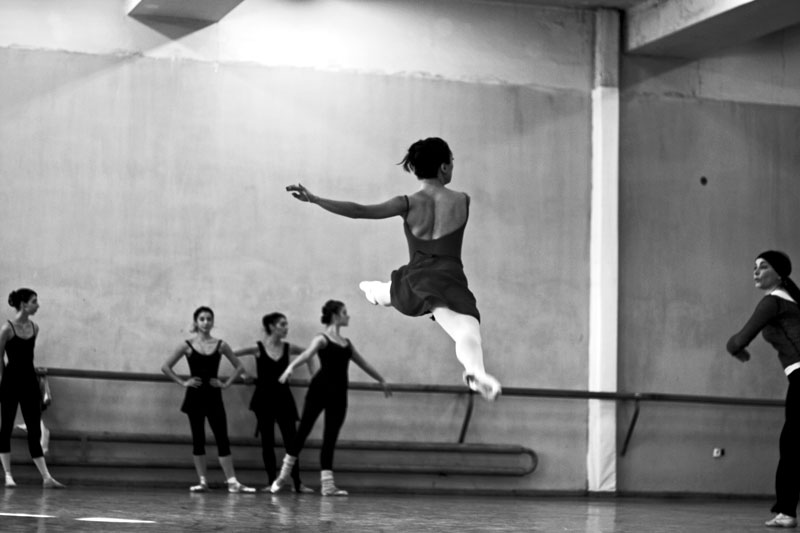
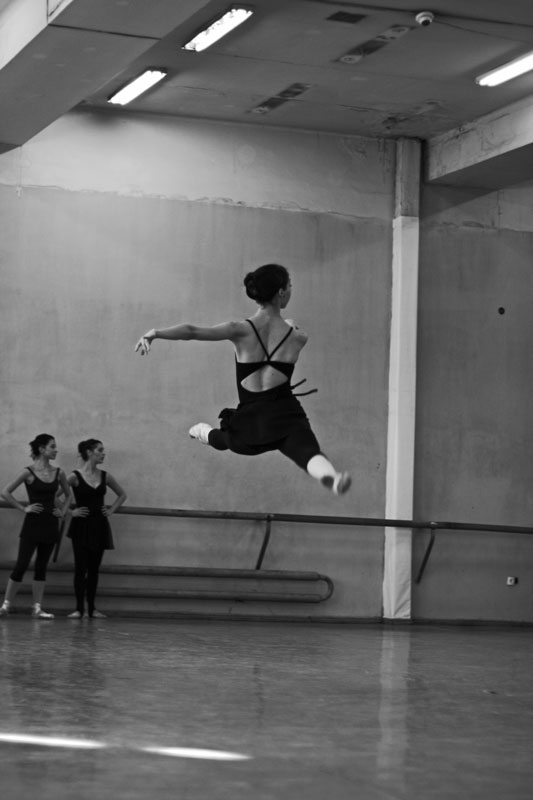
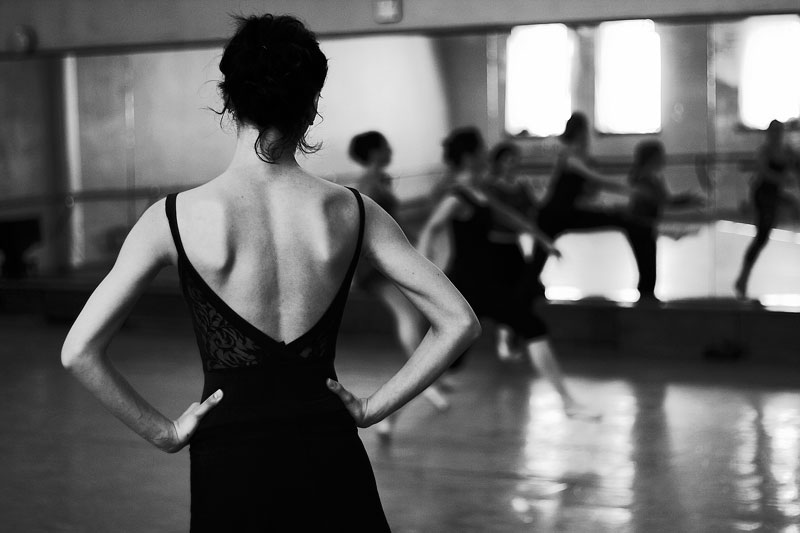
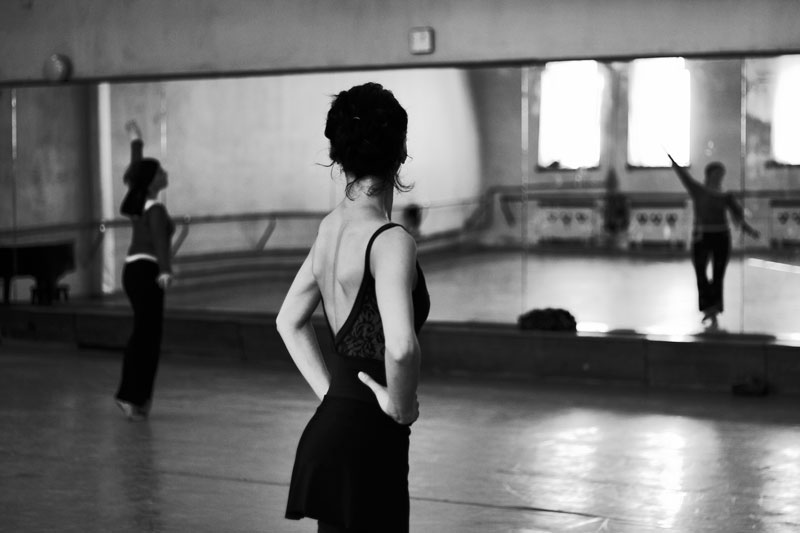
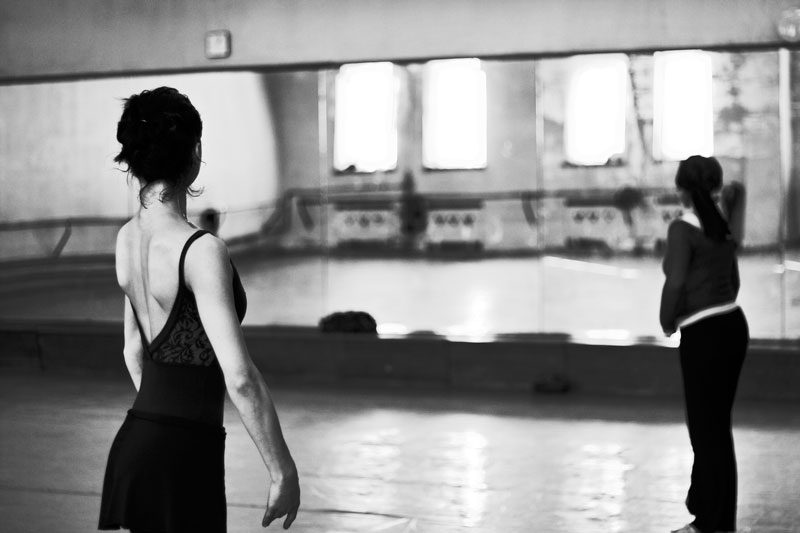
Friday, November 23, 2007
PHOTOGRAPHY: Photos from Georgia (Magnum Photos)

Nino Rhamishvili, the grand dame of the georgian ballet; photo: Thomas Dvorzak
Dato Rostomashvili posted on his blog about photography some awesome pictures from famous photographers from the legendary agency MAGNUM PHOTOS ...
www.magnumphotos.com
Thursday, March 15, 2007

ANA LEZHAVA - young balerine
from Georgia, Caucasus
About Ana Lezhava:
"I am Ana Lezhava from Georgia. I was born on July 24, 1991 in capital city Tbilisi.
I am studying at Chabukiani Ballet State College under the direction of the Prima Ballerina Nino Ananiashvili.
The first experience of Georgian dance I got at the age of 5 year old. For many times I have been the Laureate of different Festivals. In this very part I performed my favorite role.
At the age of 10 years I tried my best in ballet. Since that day I love the ballet as a mad.
I would like to tell some words about my family. I have young parents, the most beautiful Ruso and Vakho. I also have a little sister. She is very clever, talented and a very lovely girl. She studies at a ten-year Musical School for especially talented children and tries to become a great musician. She tries her best for me to achieve my aim. I like my family very much and my profession of a ballet dancer.
From 2006 I continued study in USA, namely in Washington - at Kirov Academy of Ballet, in the class of teacher Ludmila Morkovina. The director of the academy is the world famous Mr. Oleg Vinogradov. "
"I am Ana Lezhava from Georgia. I was born on July 24, 1991 in capital city Tbilisi.
I am studying at Chabukiani Ballet State College under the direction of the Prima Ballerina Nino Ananiashvili.
The first experience of Georgian dance I got at the age of 5 year old. For many times I have been the Laureate of different Festivals. In this very part I performed my favorite role.
At the age of 10 years I tried my best in ballet. Since that day I love the ballet as a mad.
I would like to tell some words about my family. I have young parents, the most beautiful Ruso and Vakho. I also have a little sister. She is very clever, talented and a very lovely girl. She studies at a ten-year Musical School for especially talented children and tries to become a great musician. She tries her best for me to achieve my aim. I like my family very much and my profession of a ballet dancer.
From 2006 I continued study in USA, namely in Washington - at Kirov Academy of Ballet, in the class of teacher Ludmila Morkovina. The director of the academy is the world famous Mr. Oleg Vinogradov. "

Wednesday, March 29, 2006
BALLERINA: Nina Ananiashvili
 Complete Website: a paean to a great ballerina from the Friends of Nina Ananiashvili in New York, includes an illustrated bio, performance schedule, ...
more >>>
You can also acquire many photos there.
More links:
Nina Ananiashvili - Ballerina Galery
Nina Ananiashvili - Biography on For Ballet Lovers Only.
Nina Ananiashvili - The Complete Ballerina.
Nina Ananiashvili - A biography.
Nino (Nina) Ananiashvili
Nino Ananiashvili - Tänzerin

Monday, September 05, 2005
GEORGIAN BALLERINAS: WebSite To Four Famous Ballerinas
Here is an interessting WebSite to four famous ballerinas: weiter>>>
Ballerinas:
Vera Tsignadze * Nino Ananiashvili * Irma Nioradze * Elene Glurdjidze
From all you can learn about:
Biographies * Repertoires * Photographs * Texts
Ballerinas:
Vera Tsignadze * Nino Ananiashvili * Irma Nioradze * Elene Glurdjidze
From all you can learn about:
Biographies * Repertoires * Photographs * Texts
TANZ: Nina Ananiashvili - Tänzerin
 Georgien ruft sein talentiertes Kind heim
nach David R. Sande (Washington Times)
Ihre Hände flattern wie Schmetterlinge, während sie im abgedunkelten Theater spricht. Nino Ananiashvili ist eine geschmeidige Person voller Anmut, der manche Georgier die höchste Prorität zusichern. Sie ist ein internationaler Superstar des Tanzes und eine Prima-Ballerina am Bolshoi-Theater in Moskau.
Von der Energie und dem Potential der entfesselten Rosenrevolution fühlte sie sich angezogen und kehrte heim nach Georgien. [...] "Ich hatte nie das Gefühl, dass Georgien meine Heimat war, aber in diesem Jahr. [...] Jetzt aber gibt es ein echtes Gefühl der Veränderung, eine Möglichkeit ...".
Viele Georgier haben das Land verlassen. Die Kvali Organisation schätzt, dass ungefähr 1 Million Georgier — ein Fünftes der Bevölkerung — das Land in den letzten Jahren nach dem Zusammenbruch der Sowjetunion und der politischen und wirtschaftlichen Stagnation unter ehemaligem Präsidenten Eduard Shevardnadze verlassen haben. Unter den Migranten waren Rechtsanwälte, Doktoren, Geschäftsleute [...] Nun ist die berühmte georgische Ballerina wieder in Georgien.
Die Kampagne, talentiertes Georgians anzulocken, hat schon andere beachtenswerte Erfolge, hervorgebracht. Außenministerin Salome Zurabishvili diente letztes Jahr im französischen diplomatischen Korps, als Botschafterin von Frankreich in Tbilisi. Ihr erster Stellvertreter, Kerbe Tabatadze, hatte in London studiert und arbeitete als ein Rechtsanwalt in New York. Kakha Bendukidze, der Spekulant und umstrittene Wirtschaftsminister, beaufsichtigt das ehrgeizige Privatisierungs-Programm von Georgien, nachdem er seinen Reichtum mit dem Kauf staatlicher Vermögenswerte gemacht hat - und somit ein führender Oligarchs Russlands in den 1990er Jahren wurde. [...] Ghia Nodia, Direktor des Caucasus Institut für Frieden, Demokratie und Entwicklung (Tbilisi), hat gesagt, dass es wichtig ist, dass Georgien gegen die Abwanderung von Wissenschaftlern und Fachleuten einschreiten muss. (2004)
Full Text: Nino Ananiashvili - Georgia calls its talented children home
And now:
Nino Ananiashvili Does Not Exclude That She Will Leave Georgia
Famous ballerina Nino Ananiashvili reckons that the decision of Tbilisi municipality on transference of Student's Palace to the building of choreographic school is reasonable and doesn't exclude that she will leave Georgia in case if situation with opponents becomes tense. Nino Ananiashvili, who is the manager of Tbilisi Choreographic school.
 Nino Ananiashvili schließt nicht aus, dass Sie Georgien verlassen wird. Die berühmte Ballerina Nino Ananiashvili wird wahrscheinlich Tbilis verlassen, wenn die Entscheidung von Tbilisi gefällt wird, dass der Studenten-Palast zu einer choreografischer Schule umgebaut wird. Auch gilt es als wahrscheinlich, dass sie Georgien verlassen wird, falls sich die Lage sich weiter zuspitzt. Nino Ananiashvili ist der Manager der Tbilisier Choreografischen Schule.
Source of painting by George Totibadze:
http://exhib.internet-academy.org.ge/fine_arts/totibadze/eng/
Subscribe to:
Posts (Atom)