Showing posts with label Grosny. Show all posts

Tuesday, June 12, 2012

CALL FOR SUPPORT: Grozny - Nine Cities. By Olga Kravets, Maria Morina & Oksana Yushko (emphas.is)


For Russian, please, read here

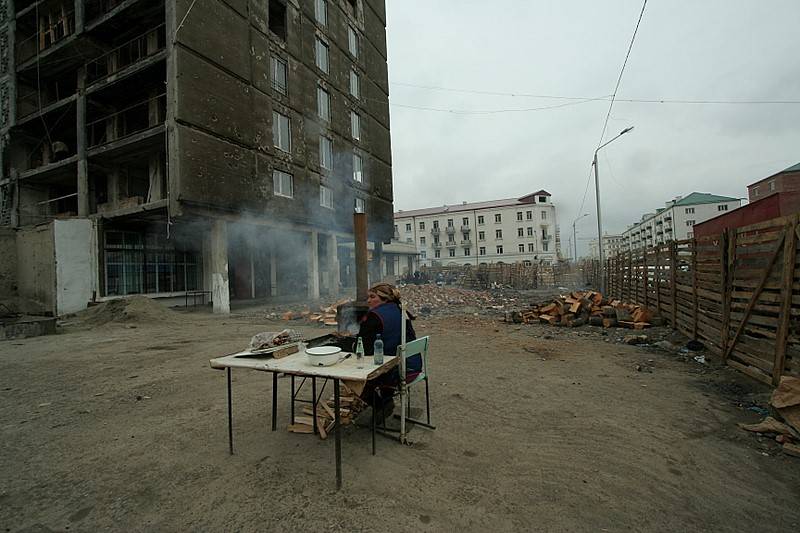
(emphas.is) Grozny, the capital of war-torn Chechnya, is a melting pot for changing Caucasus society that is trying to overcome a trauma of two recent wars and find its own way of life in between traditional Chechen values, Muslim traditions, and globalization. Our project is inspired by Thornton Wilder's book Theophilus North. It centers on the idea of nine cities being hidden in one. We applied this concept to Grozny as nine "levels of existence" hidden within the city.

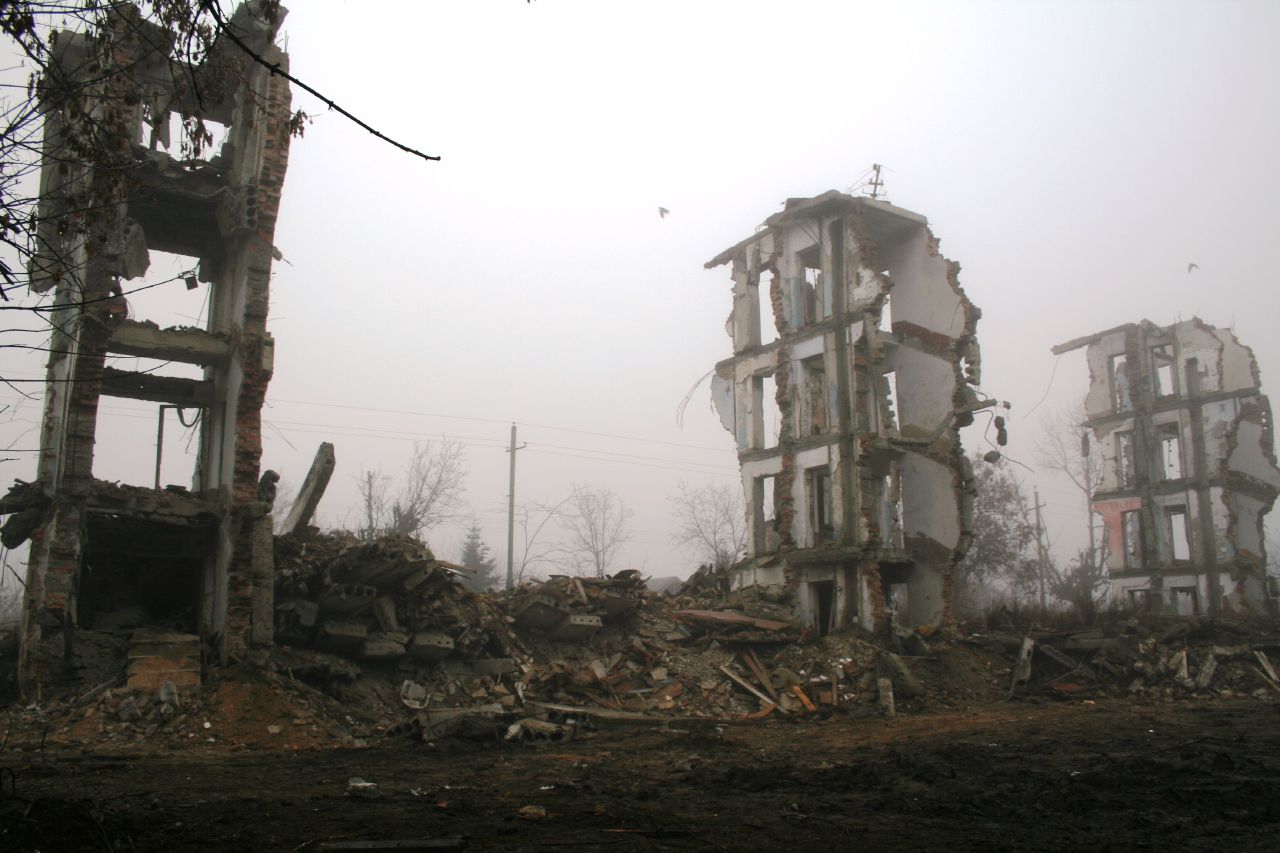
1 - The city that has ceased to exist: a memory of Soviet multicultural Grozny that was bombed and burned down. We've been following the places that were dear and important for people of Grozny and recorded their memoirs. This will be the most abstract and lyrical part of the project.

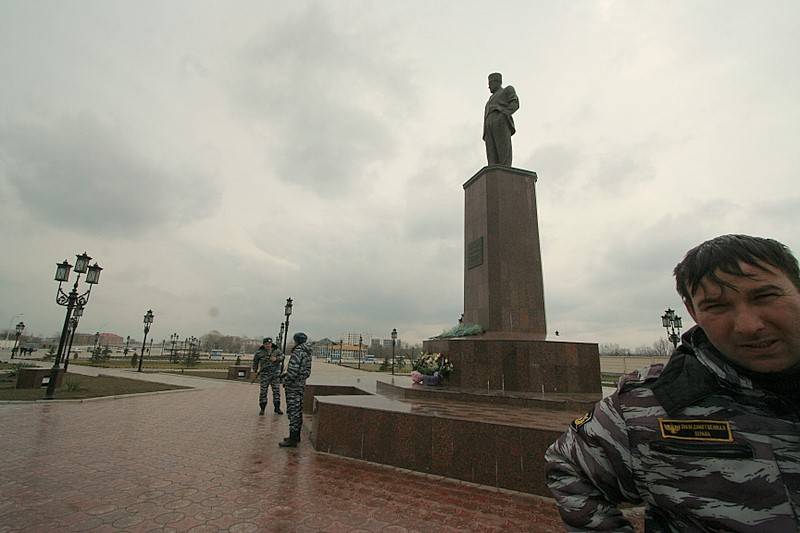
2 - The city of war: the cause of all the changes. The last, so-called counter-terrorism operation officially ended in 2009. But in 2010 there were 37 explosions and terror attacks across the republic, and already 19 by June 2011 that took the lives of 7 civilians. In Grozny we witnessed and photographed the major terror attack since the start of our project - the storm of the Chechen parliament by three suicide bombers in October 2010.

3 - The city of religion: Chechnya under Kadyrov is undergoing total Islamization. Huge mosques are being built, women are ordered to wear scarves, men must wear traditional Muslim outfits on Friday. People have to be religious. While shooting in Grozny we've captured the most significant events and rituals to cover this trend, including the Sufi practice Dhikr, widespread in Chechnya, and exorcism, now supported by the local government as the way to cure people.

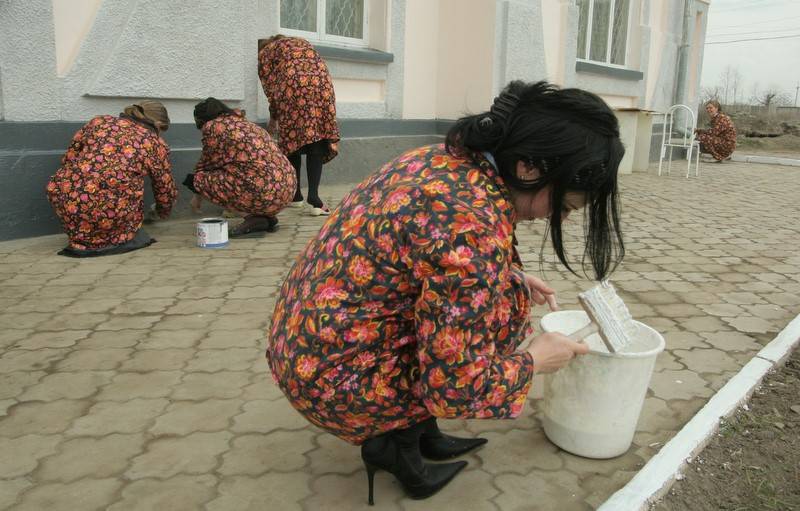
4 - The city of women: With the collapse of all the values after wars women must once again find their role in Chechen society. It is neither a role of a Western woman yet, nor a role of a traditional Muslim woman anymore.

5 - The city of men: It is important for a Chechen man nowadays to demonstrate his status with a gun or his car. At the same time he has to be responsible not only for the immediate family, but for members of his clan, not to impose the threat of the blood feud onto any of the relatives. We followed men to many "macho" events in Grozny, such as football games, street racing and meetings of clans for the blood feud ceremonies.

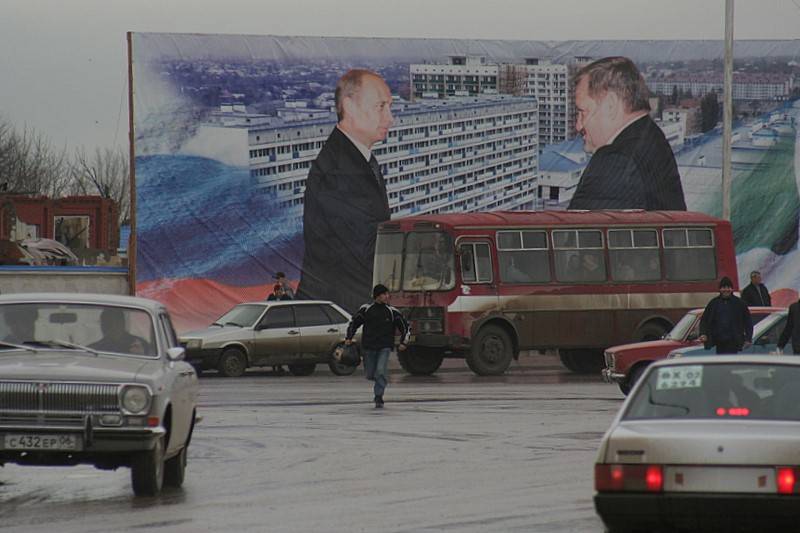
6 - The city of the nation's servants as they call themselves: Cult of personality is seeing its revival in today's Chechnya with Kadyrov's portraits hanging everywhere. Some people use them for their gain, some - trying to use them as "insurance". While Kadyrov's inner circle is trying to please him with money and business opportunities, the ordinary people believe he does not solve their problems because there is nobody to tell him about them. We followed Chechnya's dictator and his people on a number of events, and Oksana Yushko photographed him in his official residence as well.

7 - The city of oil production: Rosneft, the powerful pro-Kremlin monopoly that owns all the oil drills, enforced the end of second war in Chechnya to get hold of the country's resources. At the same time, oil reservoirs burning during the first Chechen war caused many health problems for Grozny inhabitants, according to the scholars in the Grozny oil institute and doctors in the cancer hospital.

8 - The city of strangers in a mono-ethnic society: In Grozny you find ethnic Russians and Turkish construction workers building skyscrapers. The soldiers we interviewed stress that for them Chechnya is still not Russia, while Turks, mostly working for Bora Insaat company, enjoy the possibility of making money out of Chechnya's passion for Gigantomania.

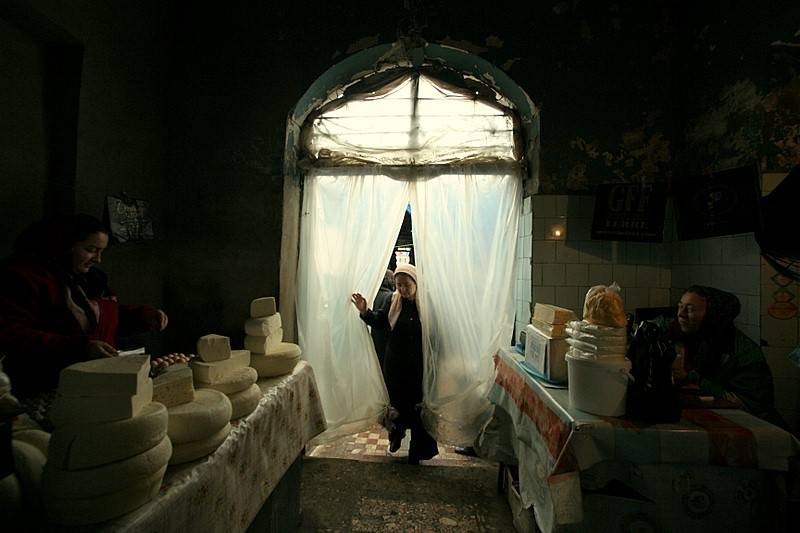
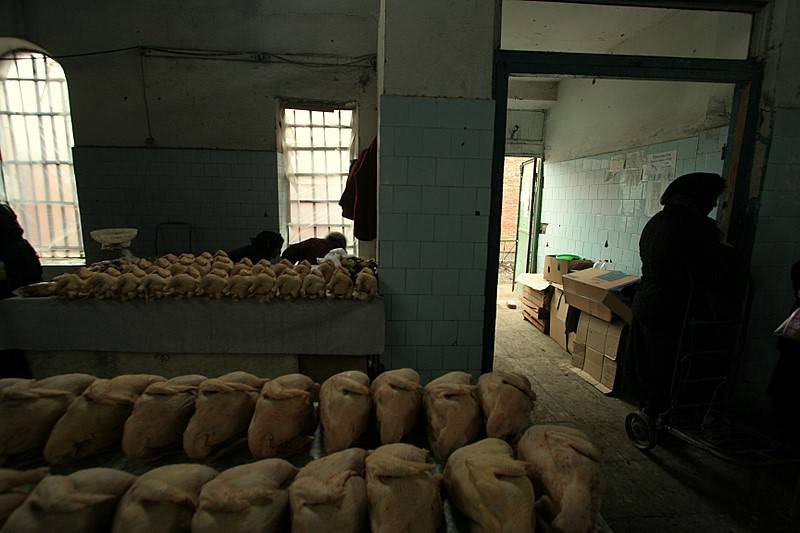
9 - The city of ordinary people: shows people's passion for normalcy after 15 years of war. These are people who collect vinyl records, kept their puppets throughout the war, saved the libraries and carried on with their lives.

The result of the project will be shown in an installation consisting of a two and three screen multimedia essay and prints, a web-documentary, and a book.

Sunday, April 08, 2012

CALL FOR PAPERS: Chechnya: rationales of violence and war experiences. Paris, 22-23 October 2012

Chechnya: rationales of violence and war experiences

Link: russiaviolence.hypotheses.org

Since 1994, the Chechen war has been qualified in diverse ways by actors and observers - colonial war, counter-terrorist operation, restoration of constitutional order, war of extermination. This profusion - or perhaps confusion of qualifiers reveals a multitude of explanations for the causes, aims and consequences of the war, and often hints at the exceptionality of the conflict. The aim of this conference will be not only to sum up, renew and enrich existing research on the Chechen war, but also to put the phenomena of violence at work there in a comparative perspective that takes into account the renewal of the historiography of 20th century wars.

The Chechen war, which broke out in 1994 and began again in 1999 after a 3-year cease-fire, played a central role in Russia's political evolution. Several studies (Tishkov, Hughes, Dunlop, Lieven, Evangelista) have shown how the Chechen war was linked with the collapse of the USSR and the reconfiguration of the political system and Russian federalism, but also the role played by that war in certain important Russian political events (Yeltsin's re-election in 1996, his resignation in 1999 in favour of Prime Minister Putin,whose popularity was on the rise thanks to the war).

Although estimates of the number of victims of the first (1994-96) and second wars (since 1999) remain a subject of debate (Cherkassov, Maksudov), as do the periodisations of these wars, studies by NGOs suggest tens of thousands of deaths in the two wars. Since 1999, those missing number in the thousands - testimony to the repressive system put in place to "fight against terrorism". The policy of systematic filtering of the population aimed particularly at men (Le Huérou, Regamey) was accompanied by numerous acts of violence (torture, rape, summary executions). The coming to power of Akhmad Kadyrov, succeeded on his death in May 2004 by his son Ramzan, meant a change in the rationales of violence and a "Chechenisation" of the conflict, which leads to the use of the notion of "civil war".

At the present time, the violence taking place in the whole of North Caucasus is analysed as a combination of a spread of war violence from Chechnya and of rationales proper to the Republics of North Caucasus (Merlin). The question of the spread of rationales of war violence into the whole of Russian society is also raised, there being so many Russian soldiers and officers today having gone through Chechnya, but policemen especially (Le Huérou, Sieca-Kozlowski). Bombings and hostage-takings linked to the Chechen conflict also aise the issue of Moscow's handling of terrorist acts (Dunlop).

Because Kadyrov was installed by Moscow in order for Chechnya to re-enter into Russia's fold, his power paradoxically raises the question of the degree of autonomy of a Republic whose leader claims to govern while not adhering to Russian laws (on women's rights in general), and Chechnya's place in today's Russia's political game (Malashenko, Lokshina). Another important element in Moscow-Grozny relations is the memory of the deportation of Chechens in 1944, the aim of an official mobilisation policy by pro-Russian Chechen authorities. Lastly, even if relative and truncated, the policy of amnesty for combatants suggests an "end of war" policy in which the issue of justice is not broached at any moment whatsoever.

It is the whole of these tendencies and rationales of violence at work that the conference will re-examine, drawing on deeply renewed research in war studies done in the past twenty years from the perspective of history, political science, anthropology, international relations, philosophy and law. Occasionally borrowing from anthropology (Audoin-Rouzeau, Ingrao), recent historical research has built up the concept of the culture of war (Becker, Horne), studying the war experience of combatants (Duclos, Reno, Debos) and suggesting several explanations for war violence. Putting forward the notion of trivialisation and brutalisation (Mosse, Bartov), examining issues such as consent (Audouin-Rouzeau, Becker, Browning) or the extent of constraint (Rousseau, Cazals), they also emphasize specific acts of violence, particularly torture and sexual violence (Branche, Virgili). Other research points to a need to pay particular attention to post-war moments (Cabanes, Capdevilia, Duclos, Jardin, Picketty), to the situation of former combatants (Delaporte, Edele, Prost, Oushakine) and to forms of transitional justice (Saada, Lefranc, Nadeau, Delpla, Rousso). Finally, we will address questions such as how conflicts fit into an international dimension and discuss the role of international actors and issues of labelling and qualifying a conflict (Lindemann).

Our objective in this conference - which will mainly focus on the history of Chechnya since the end of the Soviet period and the collapse of the USSR - is therefore not only to examine political, economic and social trends having marked the Republic, but to reflect on conditions determining the production of knowledge on this war from a comparative perspective, thanks to  specialists on other conflicts who will participate as discussants.

We will be interested in the most relevant tools, methods, questionings for furthering understanding and analysis of this conflict, and will pay particular attention to the various existing sources, to the way they are used by  different actors, as well as historians. We will pay attention to a precise chronology of the last twenty years, attempting to replace events in the context of the era, so as to avoid any anachronism or temptation to re-interpret the past in light of the present. Finally, though many research works emphasize the consequences of the conflict on how Russia has evolved, we will emphasize the consequences of this conflict on Chechnya and Chechen society.

The questions we wish to address can be grouped under four main themes:

How to work on this war?


This question, unavoidable for a conflict as contemporary as that of Chechnya, is in fact a dual one. As an ethical and political question, it is actual for all researchers in the domain of extreme violence (Sémelin, Zawadzki, Le Pape, Siméant, Vidal). If it is necessary that we discuss this war, which took place right in front of us, is it possible to produce knowledge which is purely academic and involves neither taking a stand nor action? How can we work without endangering, worsening the condition of persons who are the
object of extreme acts of violence, at the very time when these acts of violence are taking place?

Then there is the question of sources. The war in post-Soviet Chechnya began less than twenty years ago, and has given rise to a profusion of journalistic sources, humanitarian or human rights NGO reports, testimonies gathered by the latter which are extremely valuable sources (Lokshina, Sokirianskaia); numerous actors and witnesses can be questioned. At the same time, Chechnya was and has to a great extent remained inaccessible: in addition to the dangers inherent in any armed conflict were those of the chaotic period between the two wars marked by hostage-taking and assassinations, besides the entry prohibitions put in place by the Russian authorities as of 1999. Still today, Chechnya remains a dangerous region where the foreign visitor or researcher is under strict control. In this context, what do existing sources tell us and what sources are used by and are usable by researchers?

Political rationales of violence

Our aim here is to analyse acts of violence committed against civilians as well as their perpetrators, from the point of view of the military and police rationales at work in the conflict. In this case, two problems arise- the qualification and labelling of the conflict (war, anti-terrorism) and the consequences of this naming on the war terrain; what relationship is there between the naming of the enemy by the political power and the practice of acts of violence on the terrain?  Are there borrowings of anti-terrorist practices from other countries, as well as from Soviet counter-insurrection practices? In what way does the conduct of the war reflect the situation in the military, but also, in what way does it bring about reforms and  reorganisations? How to evaluate the role played by R. Kadyrov's armed forces in this violence? What are the relations between the boeviki, independentist and/or Islamist combatants and the civilian population? How to analyse the recourse to terrorism and its evolution during the war years? From the legal perspective, what links are there between the various stages of the conflict (jus ad bellum/ in bello/ post bellum) that enable us to speak of its breaking out, taking place, and of issues of after-war justice/reconciliation. Finally, how to record the Chechen war in the long history of wars and characterise it with the tools of "war studies"? Is the distinction between "old" and "new" war (Kaldor) operational in the case of this conflict?

War experiences and socio-cultural consequences of the war

We would like to examine the existing sources, testimonies, memoires, narrations and fictions to try to understand what was lived by those who went through the war. First of all by the civilian populations, whether they remained in Chechnya or fled the conflict. Whereas the Russian population living in Chechnya-Ingushetia during the Soviet era left the territory gradually, beginning in 1991, what were the effects of the war on Chechen society, and on the different peoples/persons living in Chechnya before the war? What were the economic consequences and issues brought on by the war? How to analyse the evolution of religion and religious practice, as well as the political mobilisations of religion? How did social cohesion evolve in its various forms and what role in these upheavals is played by the teïp, traditional organisation in clans (Sokiranskaia)? What specific forms of violence were women exposed to, how did their role evolve and, more generally, how did gender relations evolve during the war? Can we speak of a "re-traditionalisation" today, and if so, how can it be explained? What about the formation of a diaspora and of Chechen communities in exile, what type of social links connect those who left - and sometimes returned to Chechnya?

We will also examine the war experience of combatants, particularly in terms of "war trauma", but also in the translation of these reactions into resistance and disobedience movements. How the rationales of violence proper to police and military institutions play themselves out on the terrain, and how,  inversely, violence and the war experience influence the behaviour of policemen and the military once back in Russia, outside of Chechnya.

Phases of "non-war" and ends-of-war

Contrary to the temptation to see the history of Russian-Chechen relations only structured by war and confrontation, we will also examine times of "non war". First of all, the years between 1970-1980, a peaceful period, though not without tensions which remains to be re-explored. Second, the events of the beginning of the 1990s, after the fall of the USSR, the nature of the political relations between Moscow and Grozny and the modalities of negotiations or non-negotiations, as well as the role of the various actors involved. Finally, how to qualify the period between 1996-1999 ("interwar", "end-of-war") and the present period?

For all these periods, we will ask what legal relations were set up between Grozny and Moscow, how the status of Chechnya evolved and how the issue of recognition intervened in the process. What were the forms of political management of Chechnya by Moscow and what forms of government in Chechnya itself were given priority? How is Chechnya managed by Moscow from the viewpoint of the whole North Caucasus? How to analyse relations between Chechen and Russian elites, whether before and during the wars, and today, under Ramzan Kadyrov? How were economic relations with Moscow and the rest of Russia established, how did Chechnya fit into the networks and what role did it play in the circulation of various flows - economic and financial, legal and illegal? Finally, we will ask how, during these 20 years, issues of justice and impunity were addressed, in particular, the importance of internal justice mechanisms in comparison with the possibilities and limits of international justice; notably in the absence of Russia's ratification of the Rome statute founding the CPI.

The inter-disciplinary conference is open to the contributions of historians, sociologists, researchers in political science and international relations, cultural studies, literature and the cinema, as well as specialists in military questions. Although the conference will focus mainly on Chechnya since the fall of the USSR,
contributions on earlier periods are also welcome, as are proposals involving a comparison between the Chechen case and other conflicts.


Schedule

Persons wishing to participate should send to
chechnyaviolence@gmail.com a resume of 300 to500 words along with a short biographical note (no CV) for May 4th 2012.

Participants accepted will be informed by June 1st 2012.

Participants will be requested to provide an abstract of approximately 5-7 pages (3000-5000 words) for September 15th 2012.

Working languages: French, English, Russian (presentations are possible in these three languages, French-Russian and Russian-French translation only will be available).

Information:
http://russiaviolence.hypotheses.org
chechnyaviolence@gmail.com

This conference is organised by the research project Understanding Violence in Russia: War, Institutions, Society thanks to the support of the "Emergence(s)" Programme of the City Hall of Paris.

Organising Institutions: Centre d'étude des mondes russe, caucasien et centre-européen (CERCEC) (CNRS/EHESS); Fondation Maison des Sciences de l'Homme, Paris; Université Libre de Bruxelles-; Centre d'études franco-russe, Moscow.

Organisation Committee: Françoise Daucé (University Blaise Pascal Clermont-Ferrand/ CERCEC(EHESS/CNRS)), Anne Le Huérou (CERCEC(EHESS/CNRS)), Aude Merlin (ULB-CEVIPOL, Brussels), Amandine Regamey (University Paris I/CERCEC(EHESS/CNRS)), Elisabeth
Sieca-Kozlowski (CERCEC (EHESS/CNRS), PIPSS.ORG)

Scientific Committee Alain Blum (CERCEC (EHESS/CNRS)), Raphaëlle Branche (University Paris-1, CHS, IUF), Marielle Debos (University Paris Ouest, ISP), Jean-Vincent Holeindre (Panthéon-Assas University (Paris 2), Centre Raymond-Aron (EHESS)), Mary Kaldor (London School of Economics), Julie Saada (Artois University), Aglaya Snetkova (Centre for Security Studies, ETH, Zurich), Katia Sokirianskaia (International Crisis Group, Moscow), Maïrbek Vachagaev (Association for Caucasian Studies, Paris), Vanessa Voisin (CEFR-IRICE)

Friday, January 07, 2011

NEWS: RFE/RL Caucasus Report, December 17, 2010 - January 7, 2011 (rferl.org)

A review of RFE/RL reporting and analysis about the countries of the South Caucasus and Russia's North Caucasus region. For more stories on the Caucasus, please visit and bookmark our Caucasus page .

Azeri Villagers Protest Hijab Ban Several thousand people taking part in an Ashura ceremony in a village near Baku have protested a ban on the wearing of hijabs in schools. More
Daghestan's President Tries To (Re)Make History On December 15, a congress of Daghestan's various nationalities took place in the capital, Makhachkala, which the republic's authorities touted as the third such congress in Daghestan's recent history. More
Gas Chief Named Yerevan Mayor Yerevan has a new mayor, a week after the Armenian capital's top official resigned following allegations he beat up a member of the president's staff. More
Independent Armenian TV Loses Another Frequency Tender Armenia's embattled A1+ TV company, which has been off the air for almost a decade, has been defeated in another frequency tender administered by the state regulator after allegedly submitting fraudulent documents. More
Armenian Military Launches Hotline For Complaints Armenia's Defense Ministry has launched a hotline for reporting complaints, following a recent surge of violent incidents and non-combat deaths within the armed forces. More
Armenia Approves Army Plan Armenian President Serzh Sarkisian and his National Security Council have approved a five-year plan to modernize the armed forces, including the acquisition of long-range, precision-guided weapons. More
Armenia: Would Recognize Karabakh Armenian President Serzh Sarksian says his country will recognize Nagorno-Karabakh as an independent country if Azerbaijan uses force to resolve their dispute over the breakaway region. More
Armenian Justice Minister Fired Over 'Violent' Subordinate Armenian Justice Minister Gevorg Danielian has been dismissed for what the government describes as a failure to punish one of his high-ranking subordinates allegedly involved in violent conduct. More
A Daunting Challenge With globalization multiplying the avenues by which corrupt practices span the globe, experts are debating the nature of corruption and how to stop it. More
As Corruption Rises Worldwide, Georgia Proves The Exception Corruption is on the rise worldwide, as highlighted in Transparency International's latest Global Corruption Barometer. The surprise exception? Georgia, where only 3 percent of residents say they've paid a bribe in the past year. More
Corruption, And Outrage About It, Is On The Rise Corruption is on the rise in many countries, but so is the number of people willing to report incidents of it, according to a new report by the watchdog group Transparency International. More
Yerevan Mayor Quits In Scandal Yerevan's controversial mayor has resigned following allegations he beat up a member of President Serzh Sarkisian's staff. More
Armenian Oppositionist Set Free Another Armenian opposition activist jailed on charges stemming from postelection unrest in Yerevan in 2008 has been granted parole and released from jail. More
NATO Reassures Russia Over Plans NATO has reiterated that the alliance and Russia pose no threat to each other. More
Ukraine May Ease Georgia Travel Curb Meeting with a visiting delegation from Georgia's Finance Ministry, Ukrainian Prime Minister Mykola Azarov said it was necessary to allow Georgian citizens to stay in Ukraine for one year without a visa. More
Chechens Praise European Court Ruling A Chechen woman has welcomed a ruling by the European Court of Human Rights that awarded her and more than two dozen others record compensation for a deadly Russian air raid on their village. More
Armenia Threatens To Recognize Karabakh Armenia has threatened to formally recognize the breakaway Azerbaijani region of Nagorno-Karabakh as an independent state if Baku tries to use force to win back the disputed enclave and other Armenian-controlled territories near it. More
'No Armenia Effect' On U.S. From Leaks U.S. Ambassador to Armenia Marie Yovanovitch says the publication of thousands of leaked U.S. diplomatic documents will not have a negative impact on Washington's "very close" relations with Yerevan. More

U.S. Woman Said Detained In Iran 'Did Not Use Armenian Territory' Armenian authorities have insisted that a U.S. woman reportedly detained in Iran on suspicion of espionage did not travel to Iran from neighboring Armenia. More
New Azerbaijani Youth Group Aims At 'Positive Change' Counting on the power of example, a group of young people were trying to advocate standing in queues in Baku, notorious for its allergy to such orderliness. This was an action by a new youth group -- one aimed at positive change. More
Daghestan's President Suffers Further Rebuff The Daghestan wing of the North Caucasus Islamic insurgency's rejection of calls by President Magomedsalam Magomedov to lay down its arms calls into question the relevance of the government commission recently created to "help" repentant fighters readapt to civilian life and of the appeal to Russian President Dmitry Medvedev adopted last month at a Congress of Peoples of Daghestan to declare an amnesty for fighters who surrender. More
Ruling Azeri Party Touts 'Young' Base The ruling Yeni Azerbaijani Party (YAP) has claimed an increase in the number of young people who joined the party last year. More
Georgian Veterans Fined Over Protest Eleven people arrested when police dispersed a war veterans protest in Tbilisi were fined today in court for petty hooliganism. More
U.S. And Azerbaijan: Best Friends With Dirty Faces The state-owned "Azerbaijan" newspaper published an article at the end of 2010 that criticized U.S. foreign policy as “dishonest and immoral." Titled “USA: Tempting 'Liberty,'” the article also accused several U.S. presidents and lawmakers of having illicit sexual relationships. More
Ten Days In Baku That Shook My World Contributor Christel Fricke says her experience in Azerbaijan has given her a better understanding of what it is like to live on the front lines of the wrong life without any ticket of escape. More
Armenian PM Lays Out Economic Goals Armenian Prime Minister Tigran Sarkisian says manufacturing, information technology, and infrastructure projects will increasingly replace agriculture and construction as the driving forces of economic growth in the country. More
Grozny In The Holiday Spirit After an unsuccessful search far and wide for a suitably ostentatious tree, Grozny's planners decided to fasten together smaller trees together to produce a massive centerpiece that lacked only a dusting of snow during unseasonably warm temperatures in the area. More
Armenia Grapples With Galloping Inflation, Mushrooming Foreign Debt President Serzh Sarkisian predicts the country will fully emerge from its recession in 2011. But a report compiled by the Civilitas Foundation in Yerevan, offers a more nuanced and less optimistic picture, highlighting such pernicious trends as high inflation, a budget deficit, and the huge increase in Armenia's foreign debt over the past three years. More
Sidelined Azerbaijani Opposition Plans 'Public Chamber' Two months after the elections in which Azerbaijan's mainstream opposition parties lost their tiny handful of parliament mandates, veteran political figures have adopted a new strategy for promoting democratization and consensus-building. More
Georgian Opposition Leader Agrees To Defends IDPs' Interests While Georgia's Minister for Internally Displaced Persons, has said that "a fantastic amount" has been done this year to alleviate the plight of tens of thousands of internally displaced persons (IDPs) living in temporary accommodation in Tbilisi. Many IDPs diagree. More
A Cake Fit For A 'King'? For the fifth year in a row, the Azerbaijani city of Ganca has baked a 49-meter cake in honor of President Iham Aliyev's 49th birthday. More
In Azerbaijan, Hijab Debate A Mounting Challenge For Government In Azerbaijan, a recent ban on schoolgirls wearing the hijab, or Muslim head scarf, has sparked angry public protests that are taking on an increasingly political flavor and raising the specter of religious extremism in a country that is both Muslim-majority and largely secular. More
Russia's Minorities Have Plenty Of Questions For Putin In his recent, nationally televised question-and-answer session, Prime Minister Vladimir Putin claimed that "the state exists to provide for the interests of the majority." Fair enough, but what about minorities? Who will protect them from the majority? More

Sunday, November 07, 2010

JOURNAL: The Central Asia-Caucasus Analyst (cacianalyst.org)

Welcome to the website of the Central Asia-Caucasus Analyst, the biweekly journal of the Central Asia-Caucasus Institute & Silk Road Studies Program Joint Center.

This issue features analytical articles on the attack on the parliament in Grozny, Kazakhstan's bank recovery strategy, separatism through sports in Iranian Azerbaijan, and U.S.-Pakistani relations. In Field Reports, articles on Georgian visa rules for the North Caucasus, freedom of speech in Uzbekistan, the Russian-Kazakh-Belarusan customs union, and the OSCE Minsk Group's visit to the Karabakh conflict zone.


Please download PDF here - the link on the right is temporarily dysfunctional due to technical problems. 25 OCTOBER 2010 BIWEEKLY TURKEY ANALYST This sister publication to the Central Asia-Caucasus Analyst features analysis and coverage on Turkish domestic and foreign policy. Issue no. 17, September 13, is now online, with articles on the state talks with the Kurdish movement, and the developments in Turkey's main opposition party.

Click to download the latest issue in PDF

GROZNY ATTACK INDICATES REVIVAL OF CHECHEN NATIONALIST INSURGENCY
By Murad Batal Al-Shishani (10/27/2010 issue of the CACI Analyst)
On October 19, four Chechen militants stormed the Chechen parliament in Grozny, causing the deaths of six police officers and wounding 17. According to the Russian Interfax news agency, the militants arrived at the parliament by car and forced their way into the parliamentary compound; one of them blew himself up and two were shot dead. This attack is the second serious incident in Chechnya in recent months. In August, militants launched a massive attack on Chechnya’s pro-Russian leader Ramzan Kadyrov’s native village of Tsentoroi. These incidents in Chechnya indicate a split in the North Caucasian insurgency.


IRANIAN AZERBAIJAN: THE BREWING HOTSPOT OF FUTURE SEPARATISM?
By Emil Souleimanov (10/27/2010 issue of the CACI Analyst)
Conventional wisdom has it that Azerbaijanis, the largest ethnic minority in Iran, have historically tended to identify themselves with the idea of Iranian statehood and Shiite religion rather than ethnic nationalism. Yet recent years have shown a growth of their Azerbaijani Turkic self-consciousness which has not least manifested itself in the form of “sport nationalism”. The numerous fans of the Tabriz-based Tractor Sazi football club have become advocates of the ethno-linguistic emancipation of Iranian Azerbaijanis, an emancipation sometimes bordering on separatism and irredentism.


GEORGIA EASES VISA RULES FOR NORTH CAUCASUS RESIDENTS
(By: Eka Janashia - date added 27-10-2010)
ARMENIA EXPECTS FEW OUTCOMES OF MINSK GROUP FIELD MISSION
(By: Haroutiun Khachatrian - date added 27-10-2010)

Events
December 16

Silk Road Forum: "Turkey and NATO: in the Caucasus, Central Asia and Afghanistan," with Vahit Erdem. Click here to download audio for this event.

December 10
Conference "Georgia: Opening new Frontiers", in Cooperation with the America-Georgia Business Council.

November 19
CACI Forum “Dealing with Ethnicities in a Pluralistic Society,” with Eraly Tugzhanov.

November 17
CACI Forum "Prospects for a Torn Turkey: Turkey's Future, and Its Implications for Central Asia, the Caucasus, and the U.S. Interest," with Halil Karaveli, Svante E. Cornell and S. Frederick Starr. Click here to download audio for this event.

Monday, June 07, 2010

RADIO: Tschetschenien – das Ende des Krieges ist noch kein Frieden (drs.ch)

Zehn Jahre Krieg haben die autonome Kaukasus-Republik Tschetschenien praktisch dem Erdboden gleich gemacht. Offiziell waren die Kämpfe 2003 zu Ende, aber faktisch dauerte Russlands Anti-Terror-Kampf noch bis 2009.

Entsprechend wach sind auch noch die Ängste vor Entführungen, Folter und Mord. Und doch wachsen auch Hoffnungen, denn der umstrittene Präsident Kadyrow hat Tschetschenien mit russischer Finanzhilfe in atemberaubendem Tempo neu aufgebaut - aber die Republik braucht mehr als eine blosse Friedenskulisse.


Gesamte Sendung:
Hören
Download (MP3, 13.1MB)

Sendezeiten +++
Samstag, 5.6.2010, 09.08-09.38 Uhr, DRS +++ Samstag, 5.6.2010, 23.03-23.30 Uhr, DRS 4 News +++ Sonntag, 6.6.2010, 18.30-19.00 Uhr, DRS 1

Verantwortlich für diese Sendung:
Autor/Autorin: Brigitte Zingg

Tuesday, October 13, 2009

EINLADUNG: "Nordkaukasus - Die Gewalt nimmt kein Ende"

Datum: Montag, 19. Oktober 2009, 19:00 Uhr
Ort: Beletage der Heinrich-Böll-Stiftung, Schumannstraße 8, Berlin-Mitte
Eintritt frei


mit
Alexander Tscherkassow (Memorial, Moskau)
Marieluise Beck (MdB Bündnis 90/Die Grünen, Berlin)
Peter Franck (Amnesty International, Berlin)
Moderation: Gesine Dornblüth (Journalistin, Berlin)

Nach zwei Kriegen, die unendliches Leid in fast jede Familie Tschetscheniens brachten, schien sich die Lage in der kleinen Republik im Nordkaukasus scheinbar beruhigt zu haben. Mit brutalen Methoden, Einschüchterungen und einer allgegenwärtigen Atmosphäre der Angst hatte Präsident Ramsan Kadyrow die offene Gewalt zurückgedrängt. Grosny und andere tschetschenische Städte und Dörfer wurden langsam wieder aufgebaut. Selbst die Morde gingen zurück, und seit Anfang vorigen Jahres "verschwanden" weniger Menschen. Es war stiller geworden in Tschetschenien.

Diese Stille glich aber einer Friedhofsstille. Wer Kritik an Kadyrow übte oder einfach im Weg war, drohte in inoffiziellen Gefängnissen zu "verschwinden" und dort Opfer von Folter und Mord zu werden. Aber selbst die scheinbare Beruhigung der Lage ist schon wieder vorbei: Es "verschwinden" wieder Menschen; keine Woche vergeht, ohne dass über Anschläge und Überfälle berichtet wird, denen immer wieder Menschen zum Opfer fallen. Nichts anderes gilt für die ehemals friedlicheren Nachbarrepubliken Inguschetien, Dagestan, Nord-Ossetien und Kabardino-Balkarien. Nach den Morden an den Menschenrechtlerinnen Natalja Estemirowa und Sarema Sadulajewa blickte die Welt wieder mit Schrecken nach Tschetschenien.

Alexander Tscherkassow vom Menschenrechtszentrum MEMORIAL hat in Tschetschenien eng mit Natalja Estemirowa zusammengearbeitet. Anlässlich eines auf der Frankfurter Buchmesse vorgestellten Bandes zum Gedächtnis an die ermordete Menschenrechtlerin reist er nach Deutschland. Wir nutzen diese Gelegenheit, um Informationen und Einschätzungen aus erster Hand zu erhalten: Wie stellt sich die Lage der Menschenrechte im Nordkaukasus dar? Ist unter diesen Umständen Menschenrechtsarbeit überhaupt möglich? Wie lässt sich die Situation von außen beeinflussen? Über diese und andere Fragen möchten wir miteinander ins Gespräch kommen. Der Band zum Gedächtnis an Natalja Estemirowa wird an diesem Abend erhältlich sein.

Eine Anmeldung ist nicht erforderlich.

Veranstalter:
Heinrich-Böll-Stiftung in Kooperation mit Amnesty International und Memorial


Informationen:
Martina Tichov, Heinrich-Böll-Stiftung, T 030-285 34 384, E RG_Ostreuropa@boell.de

Sunday, October 11, 2009

PHOTO: Grozny, Chechnya, 2006. By Michal Przedlacki (flickr.com)


Monday, August 24, 2009

BUCH: Der Engel von Grosny: Tschetschenien und seine Kinder. Von Asne Seierstad

Gebundene Ausgabe: 407 Seiten
Verlag: Fischer (S.), Frankfurt; Auflage: 1 (13. Mai 2009)
Sprache: Deutsch
ISBN-10: 3100725247
ISBN-13: 978-3100725240
Originaltitel:
De Krenkede

Nur vier Flugstunden von uns entfernt liegt eine vergessene Welt von Krieg und Terror: Tschetschenien. Jeder Zehnte wurde umgebracht, die überlebenden Männer verstecken sich oder leisten weiter Widerstand. Die Frauen kämpfen um das Überleben. Doch am härtesten trifft es die Kinder. Allein und auf sich gestellt, kämpfen sie völlig verwahrlost in den Ruinen Grosnys um ihre Existenz. Sie, die die Zukunft sein sollten, sind die größten Opfer. Wir treffen Abdul, einen Kriegswaisen, der seine Schwester der Ehre wegen töten muss. Oder den zwölfjährigen Shamil, der sich nur spüren kann, wenn er Hunden den Schädel einschlägt. An ihren Schicksalen wird deutlich, wie Krieg eine Gesellschaft brutalisiert und zerrüttet. Über den AutorÅsne Seierstad, geboren 1970 in Oslo, ist international eine der renommiertesten Kriegsberichterstatterinnen und Bestsellerautorin. Sie arbeitet als Korrespondentin für verschiedene skandinavische Zeitungen und das Fernsehen in Russland, China, auf dem Balkan, in Afghanistan und dem Irak. Die norwegische ELLE wählte sie zur Frau des Jahres.

AmazonShop: Books, Maps, Videos, Music & Gifts About The Caucasus

Tuesday, August 11, 2009

TSCHETSCHENIEN: Tschetschenische Menschenrechtlerin Rajana Sajdulajewa und ihr Ehemann Umar entführt und ermordet

Activist found dead in Chechnya (bbc.co.uk.) >>>

Willkür in Tschetschenien
Bürgerrechtlerin tot im Kofferraum
-
Von Irena Brezná


In Tschetschenien ist zum zweiten Mal innert eines Monats eine Mitarbeiterin einer Hilfsorganisation ermordet worden. Die Bürgerrechtlerin Sarema Sadulajewa hat sich vor allem um junge Kriegsinvaliden gekümmert.
Wie soll man sich den neusten grausamen Mord an einer Menschenrechtlerin in Tschetschenien erklären? Fünf Männer, davon zwei in Zivil und drei in schwarzen Uniformen, kamen am Montag ins Büro der humanitären Jugendorganisation und entführten die Mitarbeiterin Sarema Sadulajewa und ihren Mann Umar. Sie waren nicht einmal maskiert und gaben zu, Angestellte des tschetschenischen Innenministeriums zu sein. Und sie kamen nicht wie üblich im Morgengrauens sondern am frühen Nachmittag. Die Männer entführten das Ehepaar gleich in dessen eigenem Wagen. In dessen Kofferraum wurden beide schon am Abend in einem Vorort von Grosny erschossen aufgefunden.
Wen störte die junge gläubige Frau, die stets ein Kopftuch trug und sich liebevoll um invalide Kinder und deren Eltern kümmerte? Sie beschuldigte weder die russischen Militärs noch die tschetschenischenUntergrundkämpfer Minen gelegt und nicht weggeräumt zu haben, durch die zehntausende Kinder verstümmelt worden sind. Sadulajewa nannte auch keine Namen von Kriegsverbrechern wie dies die tschetschenisch-russische Menschenrechtlerin Natalja Estemirowa tat, die im Juli erschossen wurde. ist vernetzt mit ausländischen, vor allem deutschen Ärztevereinigungen, die den Kriegsinvaliden Reisen organisieren, sie kostenlos operieren und Prothesen anpassen. Gilt auch dies schon als eine gefährliche politische Tätigkeit? Gegen wen ist dieser Mord gerichtet?
Der tschetschenische Präsident Ramsan Kadyrow, der vom russischen Premier Wladimir Putin persönlich als Herrscher über das kriegsgebeutelte Land eingesetzt worden war, dankt dies seinem Wohltäter dadurch, dass er den Schein eines prosperierendes Landes erzeugt. Seine fieberhafter Wiederaufbau soll die Spuren der beiden Kolonialkriege tilgen. Grosny ist aus den Ruinen auferstanden. Kadyrow liess Kinderheime schliessen, denn er behauptet, es gebe keine Kriegswaisen und die Öffentlichkeit erfährt nichts über die ökologische Katastrophe, die in Tschetschenien herrscht. Die Bevölkerung leidet an Krankheiten, vor allem Kinder, aber Gründe dafür darf es nicht geben. Abertausende Verschwundene werden nicht nur nicht gesucht, ihre Familienangehörigen dürfen ihr Leid öffentlich nicht anklagen und nach den Kriegsverbrechern wird nicht gefahndet. Die so genannte Befriedung Tschetscheniens ist aus Moskauer Optik geglückt.
Doch es gibt Störenfriede in diesem gespenstischen Land - Menschenrechtler und vor allem Menschenrechtlerinnen, die daran erinnern, was es zu tun gibt in Kadyrows Reich. Der junge und ungebildete Präsident wacht eifersüchtig darüber, dass alle Menschenrechtsaktivitäten über ihn abgewickelt und finanziert werden. Wieso gibt es Kriegsinvaliden, wenn Kadyrow doch beteuert, er würde für Putin sein Leben hergeben, da dieser seinem Volk nur Gutes brachte? Es ist derselbe Putin, der vor genau zehn Jahren dank flächendeckenden Bombardierungen von Tschetschenien an die Macht kam. Eine Tschetschenin, die nicht gehorsam zu Hause sitzt, sondern sich mit den Schattenseiten des beschäftigt, ist eine Feindin. Der Mord ist ein Signal an die schrumpfende Schar von Aufrechten in Tschetschenien - und nicht nur hier. Der Terror mit Angst betrifft auch die russische Menschenrechtsszene.
.

Hilferuf aus Tschetschenien: Wieder Menschenrechtlerin entführt >>>

Sadulajewa und Ehemann tot – GfbV Mahnwache

Monday, August 10, 2009

ARTIKEL: Russlands Saubermann in Tschetschenien. Von Ulrich Heyden (eurasischesmagazin.de)

Nach Mord-Vorwürfen kündigt der Präsident Tschetscheniens, Ramsan Kadyrow an, er werde gegen den Vorsitzenden der Menschenrechtsorganisation Memorial, Oleg Orlow, eine Verleumdungsklage führen. Darauf ließ dieser das Büro seiner Organisation in Grosny schließen.

Der ganze Text >>>

Thursday, June 18, 2009

BUCHVORSTELLUNG: Grosny-Zürich und zurück. Porträts von fünf Jugendlichen aus Tschetschenien. Von Elisabeth Gusdek Petersen


Montag, 22. Juni 2009, 19.00 Uhr: Tschetschenien im Fokus

Buchvorstellung: Elisabeth Gusdek Petersen, "Grosny-Zürich und zurück. Porträts von fünf Jugendlichen aus Tschetschenien", Zürich 2009

Moderation: Dr. Rupert Neudeck, Journalist, Gründer des Komitee Cap Anamur/Deutsche Notärzte e.V., Mitbegründer und Vorsitzender des Friedenskorps Grünhelme e.V.,

Spezialgast: Sulichan Asukanowa
eine der fünf Porträtierten

Fünf vom Krieg traumatisierte Jugendliche aus Tschetschenien begegnen der Schweiz. Elisabeth Gusdek Petersen zeichnet deren Lebensgeschichte in fünf einfühlsamen Porträts auf.

Morde, Verfolgungen, Säuberungen, Flucht und Vertreibung haben die Menschen in Tschetschenien schwer gezeichnet. Auf Initiative der Autorin, die über Jahre die russische Kaukasusrepublik besucht hat, konnten in den letzten Jahren fünf junge Tschetschenen in der Schweiz eine Ausbildung absolvieren, Sprachen lernen und eine neue Perspektive aufbauen. In ihrer Heimat hatten die drei Frauen und die zwei Männer schwerste körperliche und seelische Verletzungen erlitten, Angehörige verloren, Entwurzelung erfahren.

Elisabeth Gusdek Petersen holte die Jugendlichen in die Schweiz und unterstützte sie bei der Auseinandersetzung mit der fremden Kultur. Nicht immer ein leichtes Unterfangen. Das Buch vermittelt einen Einblick in den Kriegsalltag von Jugendlichen und beschreibt die Zukunftsperspektiven in einem kriegsversehrten Land.

Elisabeth Gusdek Petersen ist Juristin, Dozentin und Präsidentin des Forums für Zeitzeugen in Zürich. Als Verfechterin der Menschenrechte engagiert sie sich seit vielen Jahren für die Opfer des Tschetschenienkrieges. Sie lebt in Zürich.

UKB: 5,- ? / 2,5 ? LKF-Mitglieder, Schüler, Studenten und ALG-II- Empfänger

Lew Kopelew Forum
Neumarkt 18a, 50667 Köln
www.kopelew-forum.de
Tel.: +49 221 257 67 67, Fax: +49 221 257 67 68


AmazonShop: Books, Maps, Videos, Music & Gifts About The Caucasus

Sunday, March 08, 2009

BOOK: Surviving a Kidnapping in Chechnya (frontlineclub.com)

In 1997, Camilla Carr and Jonathan James were kidnapped and held for fourteen months in Chechnya. Speaking neither Russian nor Chechen, armed with good intentions and a car full of toys, the two Britons had volunteered to help traumatised children in Grozny. They were soon kidnapped, and this book - The Sky is Always There: Surviving a Kidnapping in Chechnya - is a ghastly tale of casual violence and the kidnappers' contempt for their hostages.

Many who travelled to Chechnya at this time got into trouble. A tough and resourceful Russian woman journalist I knew also worked with children in Grozny. Galya thought she knew what she was doing, but the Chechen man she most trusted betrayed her and she was taken captive. After her release, she fostered half a dozen Chechen children in her tiny flat in Moscow. She did not return to Chechnya.

Around the same time the authors and Galya were seized, I was held under armed guard while attempting to track down
President Dzhokhar Dudayev in hiding. Luckily, one bearded fighter recognised me from an afternoon when we had sheltered from shellfire together. The atmosphere lightened, and we were sent on our way to Dudayev. Afterwards, I too stopped working in Chechnya.

So how did the woefully unprepared Jon and Camilla think they would get away with it? Unable to talk to their captors, the couple were reduced to making sense of their situation in their own terms. They deployed healing visualisations, yogic breathing exercises and a strategy of appeasement. They even gave the gunmen massages. One captor raped Camilla many times over a prolonged period, with Jon listening in the next room. Eventually, she made it clear that the experience was terrible. The rapist claimed to be surprised, as he ostensibly thought that western women enjoyed rape. Camilla wondered whether she should have registered her objection sooner. The couple did not ask to be kidnapped, abused and raped, but the lesson is that people should think about the risk of going into an environment already known for the likelihood of kidnapping.

This is a car crash of a book, a how-not-to essay in on working in a war zone. Much of the time, one wants to shake the authors and ask them what they thought they were doing. Jon's dreadlocks, their massages and Camilla's clumsy confusion of eating and toilet utensils which so appalled their captors leave the impression that the authors didn't do their homework. Apparently, they were arrogant enough to think they didn't have to.

Reviewer: Richard Pendry is a lecturer in broadcast journalism at the University of Kent. He reported from all over the former Soviet Union, including Chechnya, for Frontline News in the 1990s. The Sky is Always There: Surviving a Kidnapping in Chechnya by Camilla Carr and Jonathan James is published by Canterbury Press and costs £14.99


AmazonShop: Books, Maps, Videos, Music & Gifts About The Caucasus

Friday, April 11, 2008

DISKUSSION: Der Wiederaufbau in Tschetschenien - 17.04. in Berlin

Die DGAP organisiert für den kommenden Donnerstag (17.04.) eine spannende Veranstaltung zu Tschetschenien. Prof. Magomed Dagirov und eine Gruppe von tschetschenischen Studenten diskutieren mit dem Publikum (in deutschter Sprache) über die aktuelle Situation in Tschetschnien (Ausschreibung siehe unten).

Alle Interessierten sind herzlich eingeladen!
Stefan Meister


EINLADUNG ZU VORTRAG UND DISKUSSION

Der Wiederaufbau in Tschetschenien
am Donnerstag, den 17. April, von 12:00 - 14:00 Uhr
DGAP, Rauchstr. 17, Berlin-Tiergarten


Es hat den Anschein als, ob es Russland gelungen ist, mit Präsident Ramsan Kadyrow und durch eine Tschetschenisierung des Konfliktes Tschetschenien unter Kontrolle zu bekommen. Entscheidend für die
Zukunft Tschetscheniens und des gesamten Nordkaukasus wird jedoch sein, ob der wirtschaftliche Wiederaufbau der Republik gelingt.
Wie ist die aktuelle wirtschaftliche und politische Situation in Tschetschenien? Kommen die Gelder aus Moskau wirklich an? Erreichen sie auch die Menschen? Hat sich die Lebenssituation verbessert? Um die aktuelle Lage in Tschetschenien authentisch zu diskutieren, hat die DGAP Prof. Magomed Dagirov zu einem Vortrag eingeladen. Er ist Professor für Deutsch an der Tschetschenischen Staatsuniversität in Grozny und wird mit einer Gruppe tschetschenischer Studenten der Germanistik an der Veranstaltung teilnehmen. Es besteht die
Möglichkeit zu einer offenen Diskussion mit jungen Tschetschenen.

Vor der Veranstaltung laden wir zu einem kleinen Imbiss ein.

Zusagen zur Veranstaltung bis zum 16. April an:
Fax: 030/254 231 68 oder E-Mail:
gus@dgap.org

PHOTOGRAPHY: Monuments Of War - Grozny


Her name was Valentina. She lived in the block of flats on the 8th of March street in Grozny.
Her two sons were running a small bussiness, a way to get some monnies. They were repairing old tv's, working in the basement of the building.
It was 2001. Valentina, they called her "Auntie" cos she was so nice, went to pick up some food given away by Red Cross. These were dark days for Chechnya. She took the IDs of her sons with her, to get the food also for them. While she was gone, soldiers came. There was zaczystka, a clearing operation.
They looked for terrorists. They found them in the basement. Asked for papers which they couldn't produce.
Shot them at the spot.
Their mother came back. Saw what happened. Went crazy. Stayed in that basement till last month, when she died.

Photo & Text: 7. Dezember 2006 by Michal Przedlacki more: Grozny, Chechnya (Album)

Thursday, January 10, 2008

NEWS: 09 Jan 08 | Caucasus Reporting Service 426

Georgian Opposition Disputes Saakashvili Election Win
As the incumbent is awarded a clear if not resounding victory, his opponents appear undaunted. By Sopho Bukia and Mari Betlemidze in Tbilisi (CRS No. 426 09-Jan-08)
Saakashvili’s Campaign Effort Pays Off in Western Georgia
The president did predictably well in a region seen as his heartland, although some question the margin by which he won. By Irakli Lagvilava in Zugdidi (CRS No. 426 09-Jan-08)
Troops Hunt Rebels in Dagestan Mountains
Security forces seal off villages as part of a massive sweep to find Islamic militants. By Revaz Alikhanov and Tamara Magomedova in Makhachkala (CRS No. 426 09-Jan-08)
Dress Code for Chechen Women
Morality drive focuses on low-cut clothing and other signs of behaviour seen as un-traditional and therefore inappropriate. By Artur Israilov in Grozny (CRS No. 426 09-Jan-08)

Friday, August 31, 2007

NEWS:

31 Aug 07 Caucasus Reporting Service 408

Grozny’s Housing Chaos
Corruption and fake documents means many flats are disputed by two or even more people. By Laura Aldamova in Grozny (CRS No. 408 31-Aug-07)

A Taste of China In Karabakh
Three Chinese cooks enliven life in a small Karabakhi village. By Lusine Musaelian in Vank, Nagorny Karabakh (CRS No. 407 31-Aug-07)#


23 Aug 07 Caucasus Reporting Service 407

Special Report: Religion in Azerbaijan
Young People Increasingly Drawn to Islam
Moderate clerics say heavy-handed authorities fail to distinguish between ordinary mosque-goers and extremists. By Leila Amirova in Baku (CRS No. 407 23-Aug-07)

Headscarves Provoke Bitter Controversy
Religious young women risk problems if they choose to wear Islamic clothing. By Nigar Musayeva in Baku (CRS No. 407 23-Aug-07)

Photo Essay
Images of Religion in Azerbaijan
(CRS No. 406 18-Aug-07)

Friday, July 13, 2007

NEWS:


12 Jul 07 Caucasus Reporting Service 400

Upsurge of Fighting in Chechnya
Summer campaign by rebel fighters casts doubt on official claims that the war is over. By Umalt Dudayev in Grozny (CRS No. 400, 12-July-07)
Talysh of Azerbaijan Look South and North
Ethnic minority builds ties with Iran while declaring loyalty to government in Baku. By Idrak Abbasov in Lenkoran (CRS No. 400, 12-July-07)
Crowds Flock to Pagan-Christian Ossetian Shrine
Traditionalists deplore music and drinking at North Ossetia’s biggest festival. By Elizaveta Valieva in the Hetag Grove, North Ossetia (CRS No. 400 12-Jul-07)

Reporting Impact
Caucasus: June ‘07
Leading Georgian newspaper acclaims IWPR’s regional reporting, saying republished stories prompt regular feedback from readers. By Salla Nazarenko, Cross Caucasus Journalism Network Project leader

Friday, June 15, 2007

POLITICS:


4 Jun 07 Caucasus Reporting Service 396

Azeris Angry at Putin Radar Offer
Many say Putin has no right to allow Washington to use the Galaba station. By Jasur Mamedov in Baku (CRS No. 396 14-Jun-07)
Caucasian Enemies Engage in Unofficial Trade
Karabakh conflict doesn’t stop Armenians and Azeris buying each others’ goods. By Sabuhi Mammedli in Baku, Lusine Musaelian in Stepanakert and Naira Melkumian in Yerevan (CRS No. 396 14-Jun-07)
Chechens Show Entrepreneurial Spirit
Locals try to break dependence on aid by taking out loans to start new businesses. By Laila Baisultanova in Grozny (CRS No. 396 14-Jun-07)

Wednesday, June 13, 2007

CULTUTRE:


View as HTML Ingushetia was historically more connected with the city of Vladikavkaz ... Baku) and the industrial development of the Grozny oil field www.latautonomy.org/Grozny.pdf

Saturday, April 14, 2007

Photos from Grosny in Chechnya


( View more by Julia Vishnevetskaya... )